
Introduction
Morgagnian cataract is a type of advanced cataract characterized by the liquefaction of the lens nucleus, leading to significant vision impairment. Let's delve deeper into the causes, symptoms, and treatment options for this condition.
Understanding Morgagnian Cataract
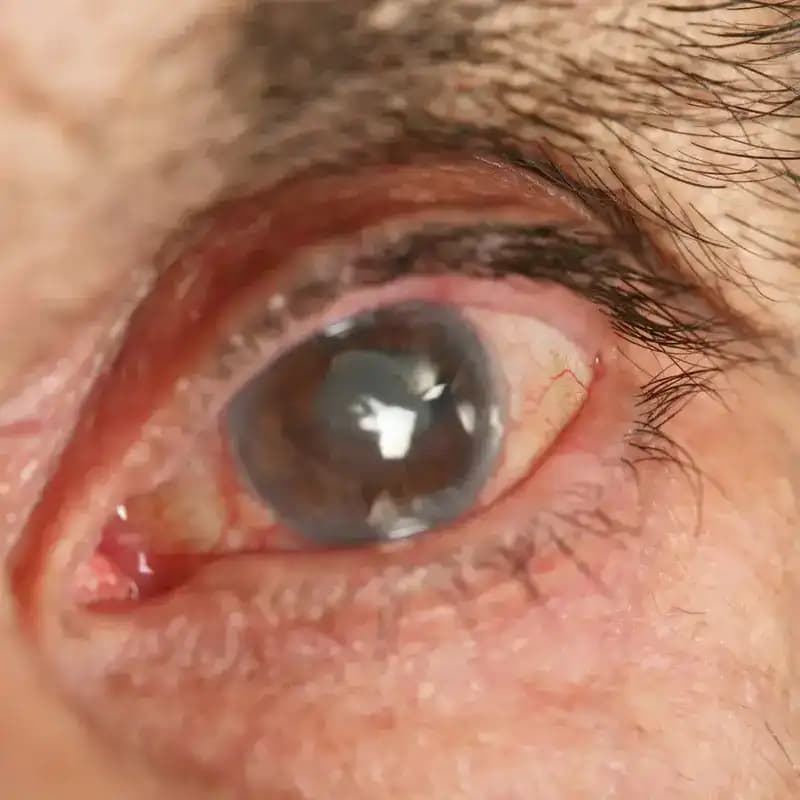
Morgagnian cataract, named after the Italian anatomist Giovanni Battista Morgagni, is a subtype of cataract that occurs when the central part of the lens, known as the nucleus, becomes liquid. This liquefaction can cause the lens to change shape and opacity, resulting in blurred or distorted vision.
Causes of Morgagnian Cataract
The primary cause of Morgagnian cataract is the aging process. As we grow older, the proteins within the lens of the eye can clump together and cloud the lens, leading to the formation of cataracts. Additionally, certain risk factors such as diabetes, smoking, prolonged exposure to UV radiation, and eye injuries can accelerate the development of Morgagnian cataracts.
Symptoms of Morgagnian Cataract
The symptoms of Morgagnian cataract are similar to those of other types of cataracts and may include, Gradual blurring or clouding of vision, Difficulty seeing in dim or low-light conditions, Increased sensitivity to glare, Changes in color perception, Double vision in one eye
Diagnosis of Morgagnian Cataract
Diagnosing Morgagnian cataract typically involves a comprehensive eye examination conducted by an ophthalmologist. This may include visual acuity tests, pupil dilation, and a thorough evaluation of the lens and other structures within the eye using specialized instruments.
Treatment Options for Morgagnian Cataract
The most effective treatment for Morgagnian cataract is surgical removal of the clouded lens followed by implantation of an artificial intraocular lens (IOL). This procedure, known as cataract surgery, is highly successful in restoring clear vision and improving overall quality of life for patients with Morgagnian cataract.
Preparing for Cataract Surgery
Before undergoing cataract surgery, your ophthalmologist will conduct a comprehensive eye examination to assess your overall eye health and determine the most appropriate treatment plan. You may also be advised to discontinue certain medications and avoid eating or drinking for a specified period prior to the surgery.
The Surgical Procedure
Cataract surgery is typically performed on an outpatient basis under local anesthesia. During the procedure, the clouded lens is carefully removed using ultrasonic vibrations and suction, and an artificial IOL is implanted in its place. The entire surgery usually takes less than an hour to complete, and most patients experience minimal discomfort and a rapid recovery.
Recovery and Follow-Up Care
After cataract surgery, it is normal to experience some mild discomfort, itching, or redness in the operated eye. Your ophthalmologist will provide you with detailed instructions on how to care for your eyes and manage any postoperative symptoms. It is important to attend all scheduled follow-up appointments to ensure proper healing and monitor your vision for any changes.
Conclusion
Morgagnian cataract is a common age-related eye condition that can significantly impact vision and quality of life if left untreated. However, with timely diagnosis and appropriate management, most patients can achieve clear vision and resume their normal activities following cataract surgery. If you are experiencing symptoms of cataract, schedule an appointment with an eye care professional for a comprehensive evaluation and personalized treatment plan.








Comments (0)