Empowering Independence with Low Vision Aids: Comprehensive Guide

Empowering Independence with Low Vision Aids: Comprehensive Guide

Overview

Low vision aids are revolutionary tools that enable individuals with visual impairments to perform daily tasks efficiently, fostering independence and improving quality of life.

Introduction

Low vision aids are life-changing tools and technologies designed to assist individuals with visual impairments in managing daily tasks. From magnifiers to advanced electronic devices, these aids address challenges associated with reduced visual acuity and enable individuals to regain independence and confidence. This blog explores the transformative role of low vision aids and how they can help people with visual impairments thrive.

Understanding Low Vision

Low vision arises from conditions such as macular degeneration, glaucoma, cataracts, and diabetic retinopathy. These conditions result in challenges like reduced sharpness, contrast sensitivity, and field of vision, severely impacting daily life.

Causes of Low Vision:

From reading small text to navigating unfamiliar environments, low vision can create hurdles in daily tasks, leading to frustration and reduced independence. However, appropriate interventions can restore confidence and autonomy.

Impact on Daily Activities:

Types of Low Vision Aids

Simple yet effective, these tools magnify text or objects. Handheld and stand magnifiers are particularly useful for reading labels or small prints, offering portability and convenience.

Optical Magnifiers:

Devices such as video magnifiers and electronic glasses enhance text or images on displays with adjustable magnification and contrast levels. These tools are ideal for extended reading or detailed tasks.

Electronic Magnifiers:

Screen readers, speech-to-text converters, and tactile graphics displays empower individuals to access digital content and perform tech-based activities efficiently.

Assistive Technology:

Case Studies Highlighting the Impact of Low Vision Aids

A senior diagnosed with macular degeneration regained her independence by using a video magnifier for cooking and reading, boosting her self-esteem and daily productivity.

Case Study 1: Regaining Independence:

A 45-year-old professional with diabetic retinopathy utilized screen-reading software to continue his work in IT, demonstrating how assistive technology aids career sustainability.

Case Study 2: Career Continuation:

Benefits of Low Vision Aids

Low vision aids provide magnification and clarity for reading, writing, and other tasks, reducing strain and frustration.

Enhanced Visual Capabilities:

By restoring the ability to perform daily tasks, these aids promote confidence, reduce feelings of dependence, and improve emotional health.

Improved Mental Well-being:

Statistics on Low Vision Aids and Their Effectiveness

According to the WHO, approximately 2.2 billion people globally experience some form of visual impairment, with low vision aids addressing critical needs for many.

Prevalence of Low Vision:

A recent study found that 87% of individuals using electronic magnifiers reported a significant improvement in performing daily tasks and overall satisfaction with their visual aids.

User Satisfaction:

Choosing and Using Low Vision Aids

Consulting a low vision specialist ensures tailored recommendations for the most suitable devices based on individual needs.

Professional Guidance:

Training sessions can help users maximize their device's potential, improving task efficiency and reducing learning curves.

Training for Effective Use:

Conclusion

Low vision aids offer transformative solutions for individuals with visual impairments, improving their ability to perform daily tasks and enhancing their quality of life. By leveraging the latest technologies and expert guidance, individuals can regain confidence, independence, and hope. If you or a loved one is living with low vision, consider exploring the wide array of low vision aids available and taking steps toward a brighter, more accessible future.

Dedicated Elderly Support by Zocvi

Zocvi offers comprehensive elderly care services to ensure the dignity and safety of seniors. Our expert caregivers provide personalized support, from routine health checks to emotional well-being assistance. Contact our FREE 24 x 7 Healthcare Helpline at +91-92724-57637 for immediate support and assistance.


Follow Zocvi

Stay connected with Zocvi for expert health advice. Follow us on Facebook, LinkedIn, and Instagram.

Frequently Asked Questions

What are low vision aids and who needs them?

Low vision aids are devices and technologies that help people with permanent vision impairment (visual acuity 6/18 to 3/60 that cannot be corrected with glasses/contacts/surgery/medication) to function more independently. Common causes of low vision requiring aids: (1) Age-related macular degeneration (AMD) — central vision loss; growing in India as population ages; (2) Diabetic retinopathy — India has largest diabetic population, largest retinopathy burden; (3) Glaucoma advanced stage — peripheral vision loss; (4) Retinitis pigmentosa — genetic; peripheral then central vision loss; (5) Post-cataract complications; (6) Optic nerve damage; (7) Congenital eye conditions. Low vision differs from complete blindness — residual vision exists that can be maximised with aids. Indian government recognises visual disability at >40% impairment for disability certificate (UDID card) — provides tax benefits, travel concessions, reservation in jobs/education. Vision rehabilitation is chronically underutilised in India despite significant need — many patients simply live with vision loss when meaningful aids are available.

What types of low vision aids exist, and how do I pick the right one?

Aids broadly fall into a few categories. Optical aids include handheld magnifiers, stand magnifiers, spectacle-mounted telescopes, and illuminated magnifiers (LED versions are particularly helpful for age-related macular degeneration). Electronic magnifiers include portable and desktop CCTVs — and modern tablets/phones with the built-in magnifier app do a similar job for free once you own the device. Screen readers convert text to speech: NVDA (Windows, free), Windows Narrator, TalkBack (Android, free), and VoiceOver (iOS, free) are all excellent starting points; JAWS is a paid alternative widely used professionally. Smartphone accessibility apps like Envision AI, Microsoft Seeing AI, Be My Eyes, and Sullivan+ (all free) read text, identify objects, and describe scenes using your camera. Talking devices (watches, glucose meters, calculators) help with day-to-day independence. Refreshable Braille displays and large-print keyboards support computer work. Choice depends on what tasks you struggle with most — a low vision specialist can trial devices with you and recommend based on your actual needs, not just severity.

Where can I get a low vision rehabilitation assessment?

A proper low vision assessment goes beyond an eye exam — it evaluates your specific tasks (reading, work, cooking, mobility) and trials devices to find what actually helps. Look for: a hospital-based ophthalmology department with a dedicated vision rehabilitation service; specialty eye institutes with rehabilitation centres (major Indian ones include LV Prasad, Sankara Nethralaya, Aravind, Shroff Charity Eye Hospital); or NGOs specialising in visual impairment (like the Blind People's Association and the National Association for the Blind). Government medical colleges usually have basic low vision services. A typical assessment covers detailed visual acuity at different distances, contrast sensitivity, visual field analysis, task-specific evaluation, trial of different aids, and training in using the chosen aids. Home visits for environmental modifications are sometimes possible. Government schemes like ALIMCO's ADIP and the Deendayal Disabled Rehabilitation Scheme provide financial assistance for eligible beneficiaries. If you or a family member has vision below what glasses can correct, get a formal assessment — vision rehabilitation is chronically underused, and most people can achieve meaningfully better independence than they realise.

Questions About This Article

Have a question? Ask the author directly.

Have a question about this article?

Ask Zocvi Editorial directly. Your question may help others with similar concerns.

Q:1 answer
Q:1 answer
Q:1 answer

Comments (0)

Found this helpful? Share it!

LinkedInWhatsApp

More from Zocvi Editorial

Other Articles You May Like

Dr. Suchit Dadia

Ophthalmologist • 11 yrs • Ahmedabad

67 views

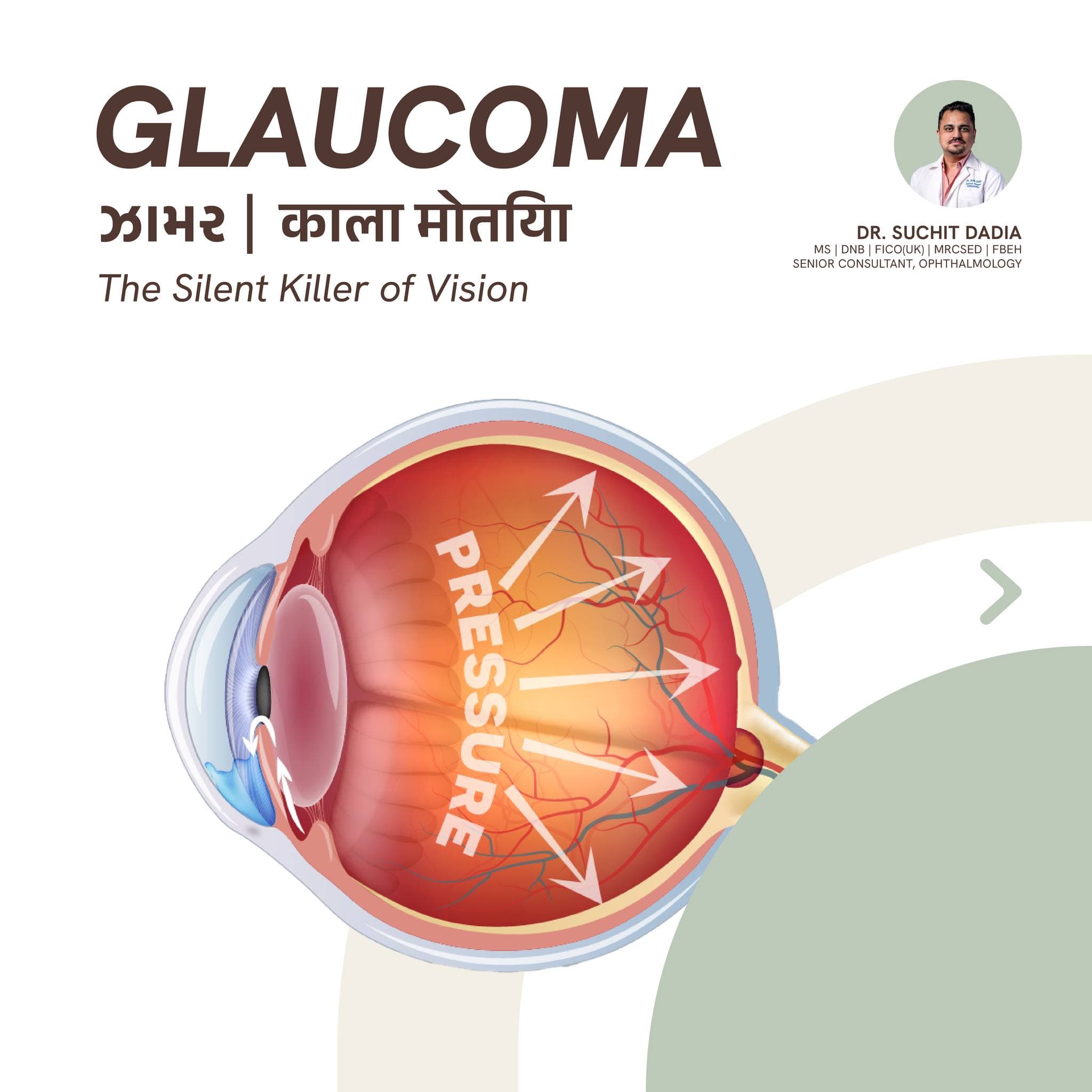
Glaucoma Awareness: Protect Your Sight Early

Glaucoma Awareness: Protect Your Sight Early

Glaucoma is a group of eye conditions that damage the optic nerve, often caused by increased pressure in the eye. Think of it as high blood pressure for your eyes—it’s quiet, painless, but can slowly steal your vision if not treated in time.It often shows no symptoms in its early stages, yet it can lead to permanent blindness if left undetected. Regular eye check-ups are the key to early detection and effective management.If you're over 40 or have a family history of Glaucoma, get your eyes tested today. Protect your vision before it’s too late!Glaucoma is a group of eye conditions that damage the optic nerve, often caused by increased pressure in the eye. Think of it as high blood pressure for your eyes—it’s quiet, and painless, but can slowly steal your vision if not treated in time.

Dr. Sachin Sonawane

Orthopaedic Surgeon • 21 yrs • Pune

62 views

4 Habits After 50 That Can Damage Your Knees After the age of 50, certain daily habits can quietly damage your knees and accelerate arthritis.

4 Habits After 50 That Can Damage Your Knees

After the age of 50, certain daily habits can quietly damage your knees and accelerate arthritis.

Knee Replacement Surgeon on Instagram: "4 Habits After 50 That Can Damage Your KneesAfter the age of 50, certain daily habits can quietly damage your knees and accelerate arthritis. Sitting on the floor, sitting cross-legged for long periods, ignoring early knee pain, and not strengthening your leg muscles are four common reasons knee problems worsen over time. Avoiding these habits and starting simple strengthening exercises can significantly protect your knee joints. Early care and timely consultation can prevent long-term damage and help maintain mobility. At Anhad Clinic, Ludhiana, Punjab, Dr AS Passi focuses on early knee care and advanced solutions including robotic knee replacement when required.📍 Location: Near Gill Bypass, Malerkotla Road, Ludhiana📞 Call 9646 95 4444 to consult Dr AS Passi at Anhad Clinic. #KneeHealthAfter50#RoboticKneeReplacement#DrASPassi(knee health after 50, habits that damage knees, knee arthritis prevention, robotic knee replacement Ludhiana, Dr AS Passi orthopedic surgeon, Anhad Clinic Ludhiana Punjab, knee strengthening exercises, knee pain prevention tips)"

Dr. Suchit Dadia

Ophthalmologist • 11 yrs • Ahmedabad

75 views

Dr. Suchit Dadia | While Pterygium is generally non-threatening, it cannot be cured with external eye drops. These may relieve symptoms but won’t remove the... | Instagram

Dr. Suchit Dadia | While Pterygium is generally non-threatening, it cannot be cured with external eye drops. These may relieve symptoms but won’t remove the... | Instagram

While Pterygium is generally non-threatening, it cannot be cured with external eye drops. These may relieve symptoms but won’t remove the growth. Surgery is the only effective treatment to prevent complications such as blurred or double vision.If you notice a bump or growth in your eye, consult your eye doctor immediately.Stay tuned for Part 3: How Pterygium Surgery Works.Like and share to spread awareness!...#DrSuchitDadia #ophthalmology #Pterygium #pterygiumsurgery

1 like

Find a Doctor for Eye & Vision Care

Verified specialists across India

Dr. Suchit Dadia

Ophthalmologist

11 yrs

Ahmedabad

Dr. Suchit Deepak Dadia Clinic
a well-developed residential and commercial area in Ahmedabad, Gujarat, India, Ahmedabad, Gujarat, 380054
₹500 consultation
EmailWhatsApp

Dr. Vikas Mittal

Ophthalmologist

20 yrs

Ambala

LJ Eye Institute
Model Town, Ambala, Haryana, 134003
₹200 consultation

Dr. Lakshmi Kuniyal

Ophthalmologist

13 yrs

Mathura

Aarogyam Health Clinic
Goverdhan, Mathura, Uttar Pradesh, 281004
₹300 consultation

Dr. Sanjay Gupta

Ophthalmologist

17 yrs

Kota

Agrawal Eye And Skin Hospital
VIP Colony, Kota, Rajasthan, 324005
₹300 consultation