Disadvantages of Cataract Surgery

Disadvantages of Cataract Surgery

Overview

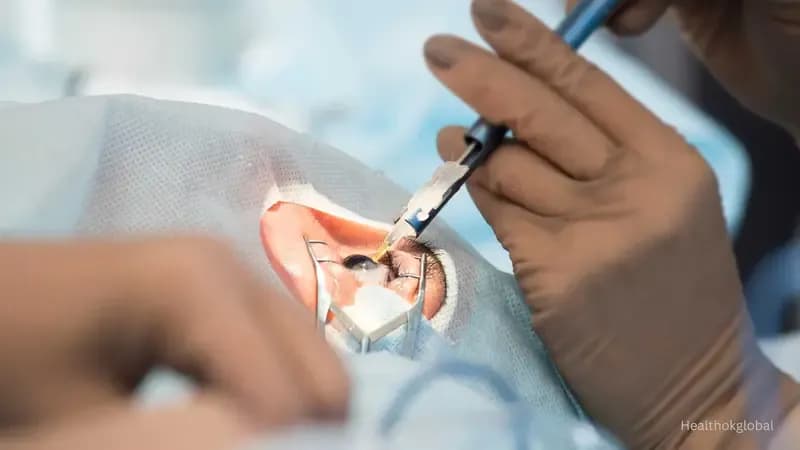
Cataract surgery, though generally safe, carries certain risks and complications.

Introduction

Down below are the followings:

Postoperative Complications

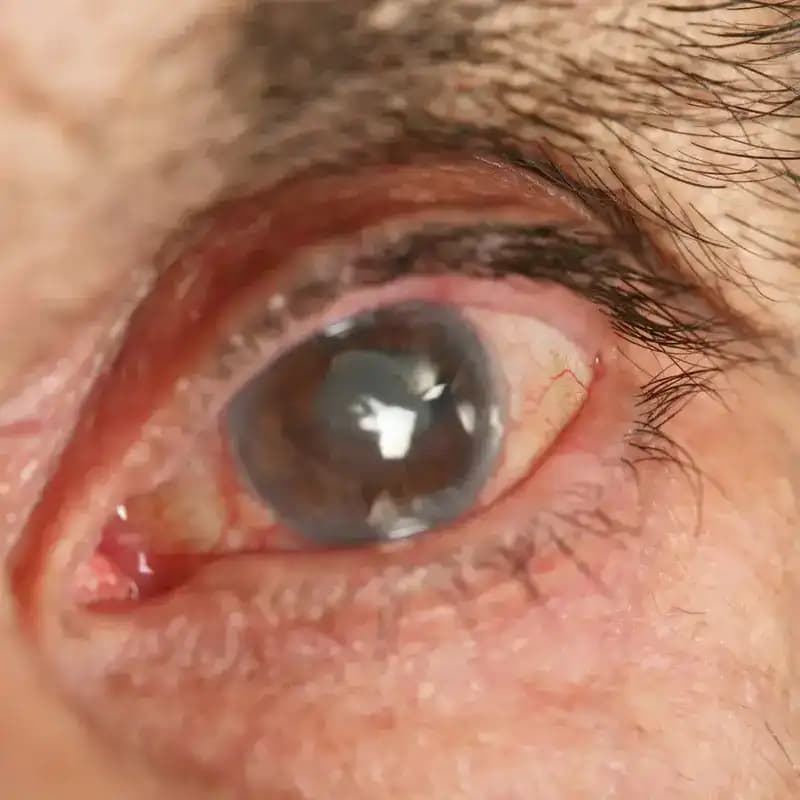
Cataract surgery, though generally safe, carries certain risks and complications. In rare cases, patients may experience postoperative complications such as infection, inflammation, or bleeding inside the eye. These complications can lead to vision disturbances and prolonged recovery periods.

Risk of Retinal Detachment

One of the significant concerns following cataract surgery is the risk of retinal detachment. This occurs when the retina, the thin layer of tissue at the back of the eye, pulls away from its normal position. Although retinal detachment is rare, it can result in severe vision loss if not promptly treated.

Development of Secondary Cataracts

After undergoing cataract surgery, some patients may develop what is known as secondary cataracts. This condition occurs when the lens capsule, which holds the artificial lens implant in place, becomes cloudy over time. Secondary cataracts can cause vision to become blurry and may require a simple laser procedure to correct.

Glare and Halos

Following cataract surgery, patients may experience glare and halos, particularly when driving at night or in bright sunlight. These visual disturbances can affect the quality of vision and may take some time to resolve as the eye adjusts to the new intraocular lens.

Persistent Dry Eye

Dry eye syndrome is a common side effect of cataract surgery, especially in patients with pre-existing dry eye conditions. The use of eye drops and artificial tears can help alleviate discomfort, but some individuals may experience persistent dryness, which may require further management.

Change in Eyeglass Prescription

After cataract surgery, many patients experience a significant improvement in their vision, often reducing their dependence on glasses or contact lenses. However, some individuals may still require corrective eyewear for certain activities, such as reading or driving, due to residual refractive errors.

Risk of Endophthalmitis

Endophthalmitis is a severe and potentially sight-threatening complication of cataract surgery caused by bacterial or fungal infection inside the eye. Although rare, it requires immediate medical attention and treatment with antibiotics or antifungal medications to prevent permanent vision loss.

Cost Considerations

While cataract surgery is generally covered by health insurance, there may be additional out-of-pocket expenses associated with the procedure, such as advanced intraocular lens options or postoperative medications. Patients should consider the financial implications of cataract surgery and discuss any concerns with their healthcare provider.


Frequently Asked Questions

What are the real risks of cataract surgery — how common are complications?

Modern cataract surgery (phacoemulsification with IOL implant) is one of the safest operations performed; serious complication rates are 1-3% overall. Specific risks: posterior capsular opacification (PCO or 'secondary cataract') affects 20-40% of patients over 5 years and is treated by a quick outpatient YAG laser capsulotomy — not a true complication, just common. Endophthalmitis (intraocular infection) is rare (0.05-0.1%, roughly 1 in 1000-2000 surgeries) but serious — needs urgent vitrectomy and intravitreal antibiotics. Posterior capsule rupture during surgery occurs in 1-3% of cases and is managed by an experienced surgeon, sometimes with vitrectomy. IOL dislocation under 1%. Retinal detachment 0.6-1.7% within 4 years, higher risk in high myopes. Cystoid macular oedema affects 1-3%, treated with anti-inflammatory drops. Up to 40% experience temporary dry eyes for weeks to months post-op. Risk factors include diabetes, high myopia, previous eye surgery, mature or complicated cataract, older age, and complicated anatomy. Choosing an experienced surgeon at a reputed centre significantly improves outcomes.

When should I not get cataract surgery — are there situations to delay?

Situations where surgery is best delayed or avoided: very mild cataract without functional impact — no benefit rushing until visual disability affects daily life (driving, reading, work); uncontrolled diabetes (HbA1c above 8-9%) — worse healing and higher infection risk, so control diabetes first; uncontrolled hypertension — control BP before surgery to reduce intraoperative bleeding; active infection anywhere in the body — postpone until treated; severe dry eye disease — treat first to avoid post-op discomfort; very elderly patients with dementia unable to cooperate — anaesthesia risk needs family discussion; end-stage systemic disease with poor life expectancy; recent stroke or heart attack (wait 3-6 months); anticoagulant medications need review with the surgeon (usually continued, sometimes adjusted); and unrealistic expectations — a standard IOL is fixed-focus, so glasses may still be needed for reading, and refractive surprise is possible. Always get a second opinion for complex cases or if surgery is pushed with unusual urgency.

Questions About This Article

Have a question? Ask the author directly.

Have a question about this article?

Ask Zocvi Editorial directly. Your question may help others with similar concerns.

Q:1 answer
Q:1 answer

Comments (0)

Found this helpful? Share it!

LinkedInWhatsApp

More from Zocvi Editorial

Other Articles You May Like

Related Topics

Find a Doctor for Cataract

Verified specialists across India

Dr. Suchit Dadia

Ophthalmologist

11 yrs

Ahmedabad

Dr. Suchit Deepak Dadia Clinic
a well-developed residential and commercial area in Ahmedabad, Gujarat, India, Ahmedabad, Gujarat, 380054
₹500 consultation
EmailWhatsApp

Dr. Vikas Mittal

Ophthalmologist

20 yrs

Ambala

LJ Eye Institute
Model Town, Ambala, Haryana, 134003
₹200 consultation

Dr. Lakshmi Kuniyal

Ophthalmologist

13 yrs

Mathura

Aarogyam Health Clinic
Goverdhan, Mathura, Uttar Pradesh, 281004
₹300 consultation

Dr. Sanjay Gupta

Ophthalmologist

17 yrs

Kota

Agrawal Eye And Skin Hospital
VIP Colony, Kota, Rajasthan, 324005
₹300 consultation