Understanding Sore Eyes: Causes, Symptoms, and Treatment
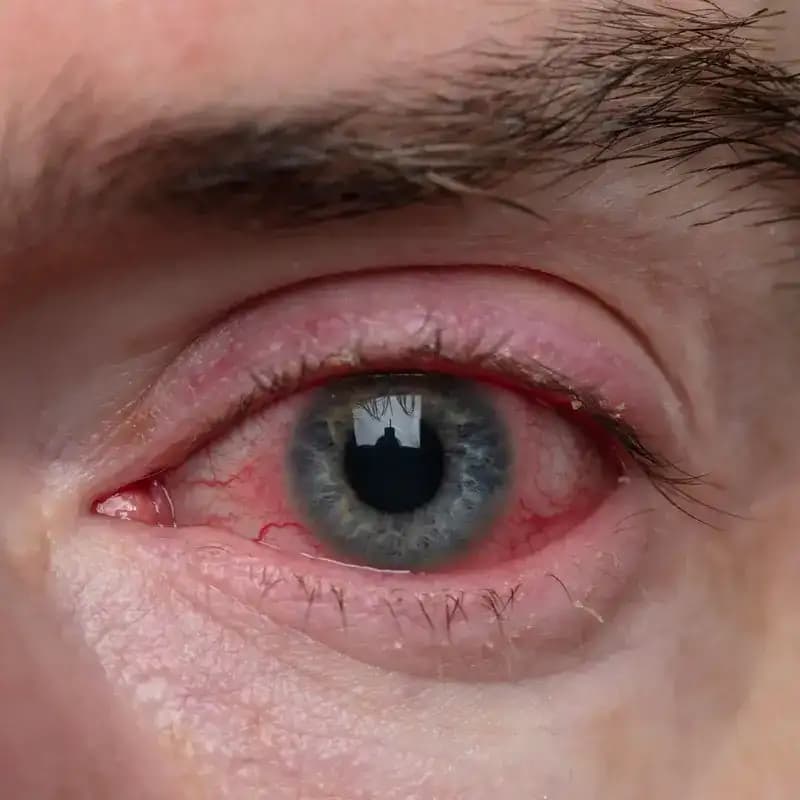
Sore eyes, also known as eye irritation or eye discomfort, can be a common and bothersome problem affecting people of all ages.

Dry eye disease is one of the most common eye conditions seen by ophthalmologists, and screen use has made it dramatically more prevalent in younger people. When we stare at screens, our blink rate drops from around 15-20 blinks per minute to 5-7 — reducing tear film replenishment and causing evaporative dry eye. Symptoms include burning, stinging, grittiness, sensitivity to light, blurred vision that fluctuates, and paradoxically — excessive tearing (the eye responds to dryness with reflex tearing). In India, air conditioning, pollution, dust, and low humidity create additional dry eye triggers beyond screen use. Dry eye is a chronic condition in most people — management focuses on restoring the tear film, protecting the ocular surface, and identifying underlying causes like meibomian gland dysfunction or systemic disease.
Last reviewed: 10 August 2026
Sore eyes, also known as eye irritation or eye discomfort, can be a common and bothersome problem affecting people of all ages.

While Pterygium is generally non-threatening, it cannot be cured with external eye drops. These may relieve symptoms but won’t remove the growth. Surgery is the only effective treatment to prevent complications such as blurred or double vision.If you notice a bump or growth in your eye, consult your eye doctor immediately.Stay tuned for Part 3: How Pterygium Surgery Works.Like and share to spread awareness!...#DrSuchitDadia #ophthalmology #Pterygium #pterygiumsurgery

Pterygium, jene Gujarati ma વેલ pan kehvaay che, is commonly seen in those who spend extended time outdoors, exposed to sunlight and UV rays. While it’s rarely serious, it can potentially affect your vision.If you spot a pinkish, triangular-shaped growth on your eye that extends onto the white part, consult your eye doctor for treatment.Stay tuned for Part 2: Treatment options for Pterygium.Like and share to spread awareness!...#DrSuchitDadia #ophthalmology #Pterygium #pterygiumsurgery
Expert answers from our medical team
The 20-20-20 rule: every 20 minutes of screen use, look at something 20 feet away for 20 seconds. It is a practical, evidence-informed guideline for reducing digital eye strain — the looking-away gives the focusing muscle (ciliary muscle) a rest, and the break tends to prompt more blinking and tear film recovery. It works when people actually do it consistently, which is the main challenge. Combine it with: conscious blinking exercises (full blinks — upper lid meeting lower lid fully, not half-blinks), adjusting screen brightness and contrast to match ambient light, positioning the screen 20-24 inches away and slightly below eye level, and using a matte screen filter to reduce glare. These measures reduce eye strain symptoms — they don't prevent myopia progression in adults, but the fatigue and discomfort are genuinely improved.
Dry eye disease has two main mechanisms: aqueous-deficient (the lacrimal gland doesn't produce enough tear volume) and evaporative (the tear film evaporates too quickly, usually because the meibomian glands in the eyelids don't secrete enough oil to seal the tear surface). Meibomian gland dysfunction is the most common cause — made worse by contact lenses, screen use, and skin conditions like rosacea. Systemic causes: Sjögren's syndrome, rheumatoid arthritis, thyroid disease, and certain medications (antihistamines, antidepressants, oral contraceptives, beta-blockers) all reduce tear production. The paradoxical watering: a dry, irritated eye surface triggers a reflex lacrimal response — excess watery tears that overflow despite the underlying dryness. These reflex tears don't contain the lipid layer needed to stabilise the tear film, so they don't solve the dryness.
Treatment depends on severity and cause. Mild dry eye: preservative-free artificial tears (drops or gels) used regularly throughout the day — preservatives in multi-dose bottles can irritate with frequent use. Warm compresses to the closed eyelids for 5-10 minutes daily soften meibomian gland secretions and improve oil flow; follow with gentle eyelid massage. Omega-3 fatty acid supplements have moderate evidence for meibomian gland function. Moderate-severe dry eye: prescription anti-inflammatory drops (cyclosporine 0.05%, lifitegrast) address the inflammatory component that perpetuates dry eye beyond the initial cause. Punctal plugs (tiny plugs in the tear drainage openings) conserve tears. Scleral contact lenses (large diameter lenses that vault over the cornea and hold a fluid reservoir) provide dramatic relief in severe cases. Treating underlying conditions is parallel, not sequential.
For most people, dry eye is a chronic condition that requires ongoing management rather than a cure — similar to managing blood pressure or asthma. However, many cases significantly improve with the right treatment combination, and some secondary dry eye (from a recoverable cause like resolved medication use, or post-LASIK dry eye that was temporary) does resolve. The progressive chronic form — especially associated with Sjögren's syndrome or advanced meibomian gland dropout — is not reversible, but symptoms can be well-controlled. The cornea is sensitive and poorly managed dry eye can cause corneal scarring in severe cases. Early consistent management prevents this complication. Most patients with mild-moderate dry eye achieve a level of symptom control that allows them to work comfortably with screens and contact lenses.
Red eye from conjunctivitis (discharge, gritty feeling, no pain, normal vision) — safe to manage with lubricating drops or antibiotic drops if bacterial; most viral conjunctivitis resolves without antibiotics. Urgent same-day ophthalmology for: red eye with significant pain (not just discomfort), red eye with blurred vision that doesn't clear with blinking, red eye with halos around lights (acute glaucoma), contact lens wearer with red eye (corneal infection risk), red eye after trauma or chemical exposure, or red eye in a newborn in the first month of life. The critical distinction: red eye with normal painless vision and discharge is usually benign. Red eye with pain OR reduced vision needs urgent professional assessment — these two features can mean corneal ulcer, uveitis, or acute glaucoma, all of which cause permanent damage if treated with simple eye drops at home.
Questions from our community members
Ask our medical community. Your question may help others with similar concerns.
Verified specialists across India