

Introduction
Eyes are our windows to the world, but unfortunately, not everyone enjoys perfect vision. Understanding different eye defects is crucial for maintaining optimal eye health and seeking appropriate treatment when needed.
Types of Eye Defects
From nearsightedness to astigmatism, various eye defects can affect vision clarity and quality. Let's delve into some common types:
Nearsightedness (Myopia)
Nearsightedness, also known as myopia, is a prevalent eye defect where distant objects appear blurry while close objects remain clear. This condition occurs when the eyeball is too long or the cornea is too curved, causing light rays to focus in front of the retina rather than directly on it. Myopia can develop during childhood and often progresses with age if left uncorrected.
Farsightedness (Hyperopia)
Farsightedness, or hyperopia, is the opposite of nearsightedness. Individuals with hyperopia can see distant objects clearly but struggle with close-up tasks. This occurs when the eyeball is too short or the cornea is too flat, causing light rays to focus behind the retina. While mild hyperopia may not cause significant issues, severe cases can lead to eyestrain, headaches, and difficulty focusing.
Astigmatism
Astigmatism is a common refractive error caused by an irregularly shaped cornea or lens. Unlike the spherical surface of a normal cornea, individuals with astigmatism have a more oval or football-shaped cornea, leading to distorted or blurred vision at all distances. This defect often accompanies nearsightedness or farsightedness and can be corrected with glasses, contact lenses, or refractive surgery.
Presbyopia
Presbyopia is an age-related eye condition that affects near vision. As people reach their 40s or 50s, the natural lens of the eye gradually loses flexibility, making it challenging to focus on close objects. Symptoms include difficulty reading small print, eyestrain, and the need to hold reading materials at arm's length. While presbyopia is a normal part of aging, reading glasses or multifocal lenses can help alleviate symptoms.
Cataracts
Cataracts are a common eye defect characterized by the clouding of the eye's natural lens. This progressive condition primarily affects older adults and can lead to blurred vision, sensitivity to light, and difficulty seeing at night. While cataracts develop slowly over time, surgical removal of the cloudy lens and replacement with an artificial intraocular lens (IOL) can restore clear vision.
Glaucoma
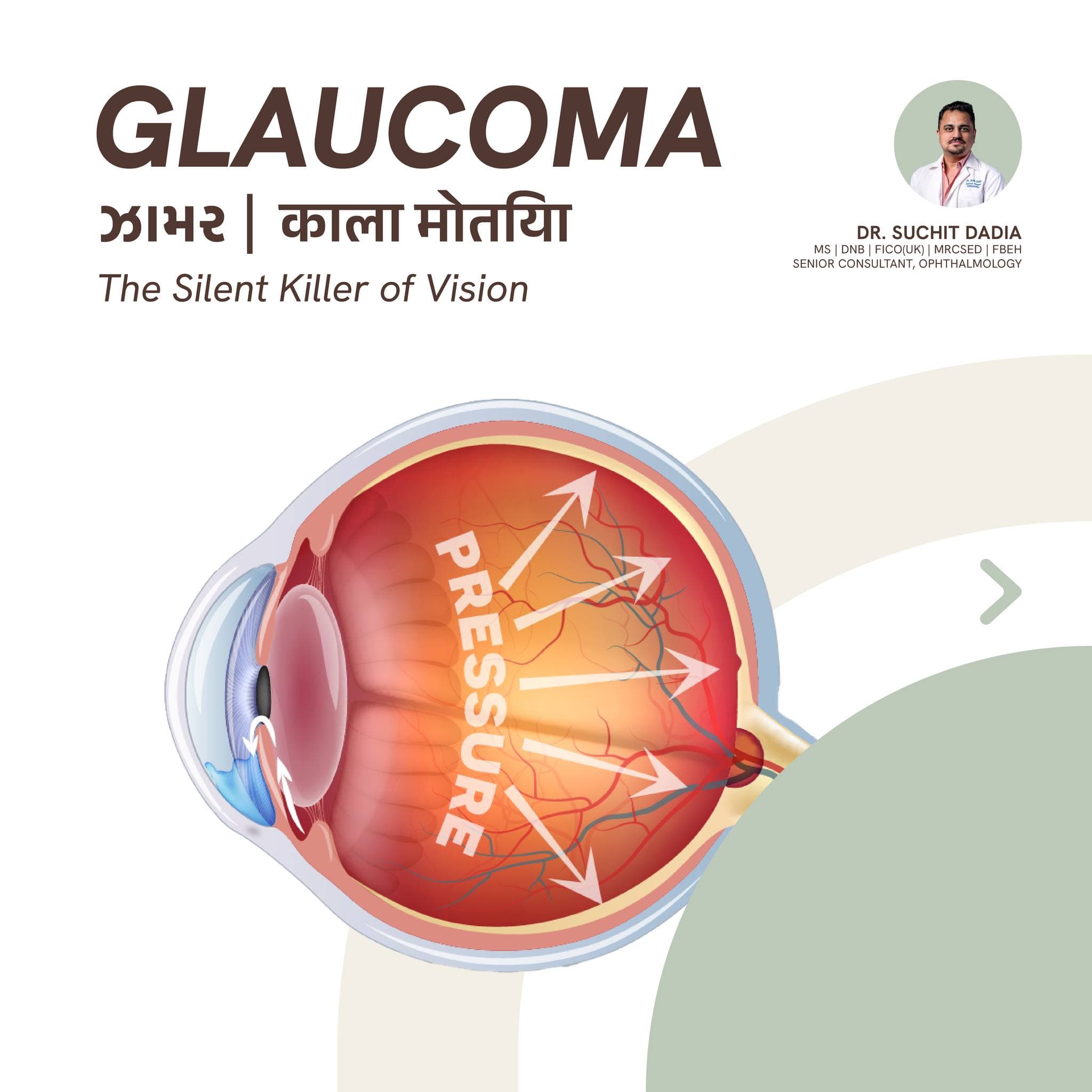
Glaucoma refers to a group of eye conditions that damage the optic nerve, often due to elevated intraocular pressure (IOP). This defect can lead to irreversible vision loss if left untreated. Symptoms may not be noticeable in the early stages, but as the condition progresses, individuals may experience peripheral vision loss, tunnel vision, and eventual blindness. Treatment aims to reduce IOP through medication, laser therapy, or surgery.
Causes and Risk Factors
Understanding the underlying causes and risk factors associated with eye defects is essential for prevention and early intervention.
Symptoms and Diagnosis
Recognizing the signs and symptoms of various eye defects can prompt timely diagnosis and treatment.
Treatment Options
From corrective lenses to surgical interventions, explore the range of treatment options available for different eye defects.
Tips for Maintaining Healthy Eyes
Discover practical tips and habits to promote optimal eye health and reduce the risk of developing eye defects.
Conclusion
In conclusion, understanding the nuances of different eye defects empowers individuals to take proactive steps in preserving their vision. By prioritizing regular eye exams, adopting healthy lifestyle habits, and seeking prompt treatment when needed, we can safeguard our precious gift of sight for years to come.





Comments (0)