
Introduction
Phacoemulsification is a modern cataract surgery technique that uses ultrasonic energy to emulsify the eye's natural lens before removal. This minimally invasive procedure has revolutionized cataract surgery, offering numerous benefits such as faster recovery times, reduced complications, and improved visual outcomes. This article explores the phacoemulsification procedure, its benefits, and what to expect during recovery.
What is Phacoemulsification?
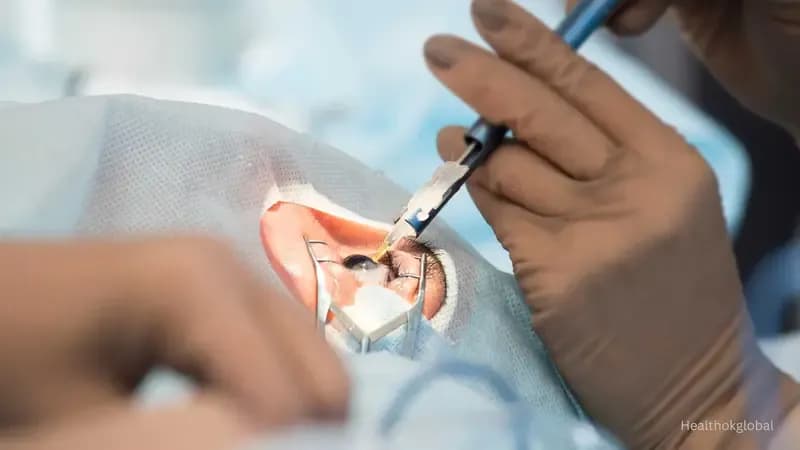
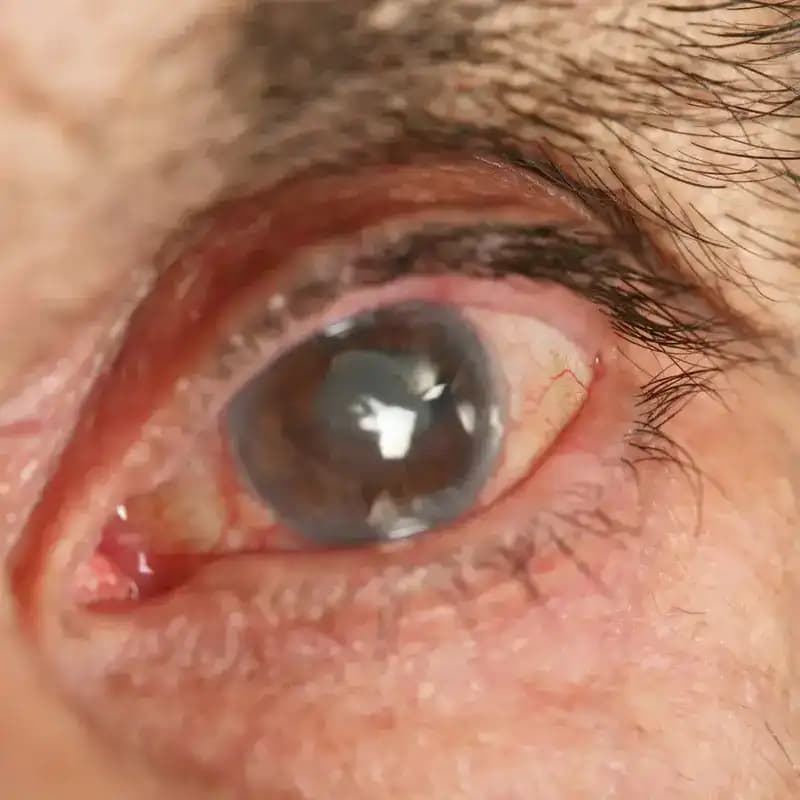
Phacoemulsification is a surgical procedure used to treat cataracts, a condition characterized by the clouding of the eye's natural lens. During the procedure, an ultrasonic device is used to break up the cloudy lens into tiny fragments, which are then suctioned out. A clear artificial lens, known as an intraocular lens (IOL), is then implanted to restore clear vision.
The Phacoemulsification Procedure
The phacoemulsification procedure involves several key steps:
Before the surgery, a comprehensive eye examination is conducted to assess the extent of the cataract and determine the appropriate IOL. Measurements of the eye are taken to ensure the correct lens power is selected.
Preoperative Assessment
The procedure is typically performed under local anesthesia, which numbs the eye. Sedation may also be administered to help the patient relax.
Anesthesia
A small incision, usually about 2-3 millimeters, is made in the cornea. This incision allows the surgeon to access the lens while minimizing tissue damage.
Creating the Incision
An ultrasonic probe is inserted through the incision, and ultrasonic energy is used to break up the cloudy lens into small fragments. The fragments are then suctioned out of the eye.
Emulsifying the Lens
Once the natural lens is removed, an intraocular lens (IOL) is implanted into the lens capsule. The IOL is folded for insertion and then unfolds once inside the eye.
Inserting the Intraocular Lens
In most cases, the incision is self-sealing and does not require stitches. The small size of the incision promotes faster healing and reduces the risk of infection.
Closing the Incision
Benefits of Phacoemulsification
Phacoemulsification offers several advantages over traditional cataract surgery techniques:
The small incision size reduces trauma to the eye, resulting in faster recovery and less postoperative discomfort.
Minimally Invasive
Patients typically experience a rapid improvement in vision and can resume normal activities within a few days.
Quick Recovery
Phacoemulsification has a high success rate with excellent visual outcomes, making it the preferred method for cataract surgery.
High Success Rate
The minimally invasive nature of the procedure reduces the risk of complications such as infection and inflammation.
Reduced Complications
The use of advanced IOLs allows for customized vision correction, addressing issues such as astigmatism and presbyopia.
Customized Vision Correction
Recovery After Phacoemulsification
The recovery process after phacoemulsification is generally quick and straightforward. Here are some key points to keep in mind:
Patients are usually able to go home on the same day as the surgery. It is important to rest and avoid strenuous activities for the first few days.
Immediate Postoperative Care
Regular follow-up appointments are scheduled to monitor the healing process and ensure the eye is recovering properly.
Follow-Up Appointments
Patients are prescribed eye drops to prevent infection and reduce inflammation. It is crucial to follow the prescribed medication regimen.
Medications
Wearing an eye shield while sleeping and avoiding rubbing the eye can help protect the healing eye. Sunglasses may be recommended to protect the eye from bright light.
Protecting the Eye
Most patients experience significant improvement in vision within a few days. Full visual recovery may take a few weeks.
Vision Improvement
Avoid heavy lifting, swimming, and activities that may strain the eye for at least a week after surgery.
Activity Restrictions
Potential Risks and Complications
While phacoemulsification is generally safe, there are potential risks and complications to be aware of:
Although rare, infection can occur and may require additional treatment.
Infection
Postoperative inflammation is common but usually resolves with medication.
Inflammation
Some patients may experience temporary vision disturbances such as glare or halos around lights.
Vision Disturbances
A secondary cataract, or posterior capsular opacification (PCO), can develop months or years after surgery and may require laser treatment.
Secondary Cataract
Retinal detachment is a rare but serious complication that requires immediate medical attention.
Retinal Detachment
Conclusion
Phacoemulsification is a highly effective and minimally invasive technique for cataract surgery, offering numerous benefits such as quick recovery, reduced complications, and excellent visual outcomes. By understanding the procedure, benefits, and potential risks, patients can make informed decisions about their cataract treatment. If you are considering cataract surgery, consult with your ophthalmologist to determine if phacoemulsification is the right option for you.







Comments (0)