Understanding Various Types of Eye Surgery
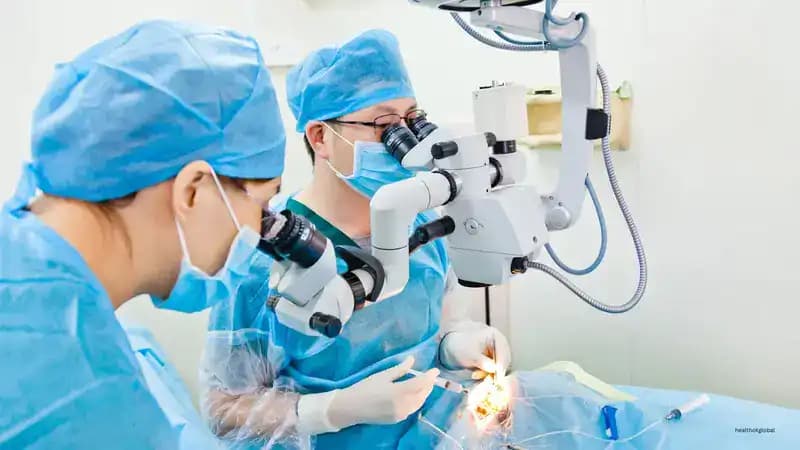
Eye surgery encompasses a range of procedures aimed at correcting vision problems, treating eye diseases, and improving overall eye health.

Refractive errors — myopia (short-sightedness), hyperopia (long-sightedness), astigmatism, and presbyopia — are the most common cause of vision impairment worldwide and the most correctable. In India, uncorrected refractive error is a leading cause of visual impairment, particularly in children and in adults who cannot access or afford glasses. Myopia is reaching epidemic proportions globally, especially in East and South Asian countries, with significant implications beyond blurry distance vision — high myopia substantially raises the risk of retinal detachment, glaucoma, and macular degeneration later in life. Understanding your prescription, knowing the options (glasses, contact lenses, laser surgery), and appreciating why myopia in children needs active management are the key themes of this hub.
Last reviewed: 10 August 2026
Eye surgery encompasses a range of procedures aimed at correcting vision problems, treating eye diseases, and improving overall eye health.
Myopia (nearsightedness) is a common condition that’s usually diagnosed before age 20. It affects your distance vision.
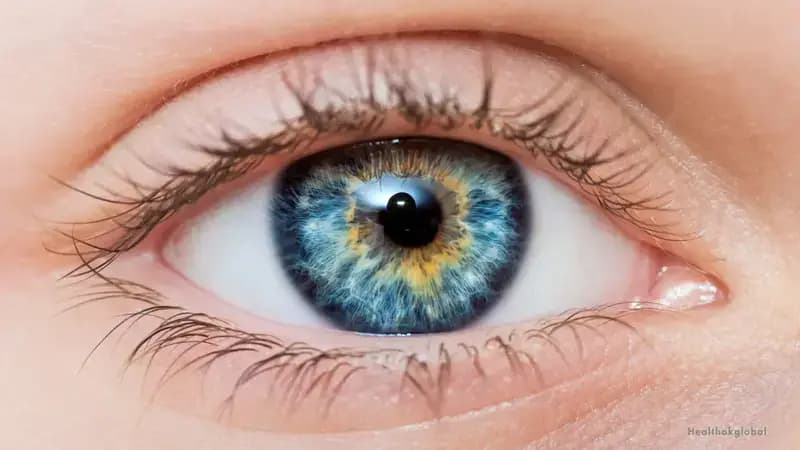
The Colour Assessment and Diagnosis (CAD) test is a sophisticated and comprehensive method used to evaluate colour vision deficiencies and ensure accurate colour perception.
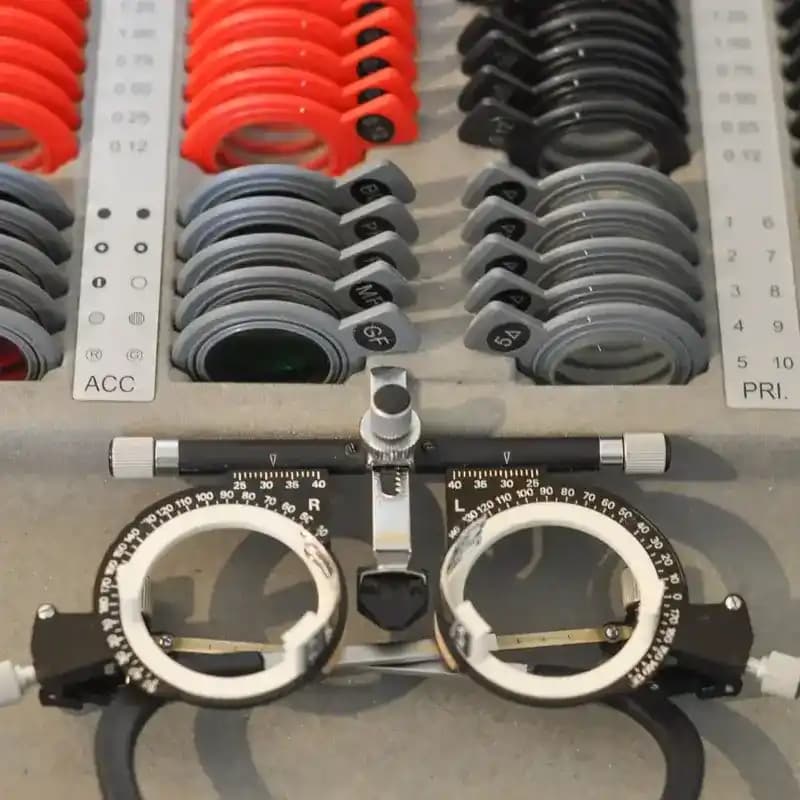
Low vision aids are revolutionary tools that enable individuals with visual impairments to perform daily tasks efficiently, fostering independence and improving quality of life.
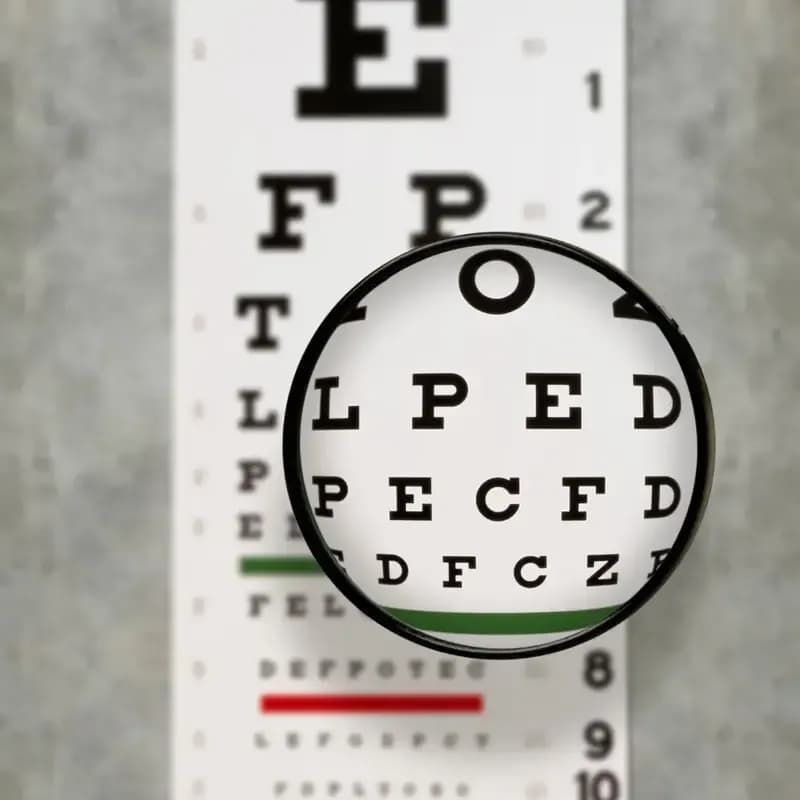
Are you struggling with high eye number and seeking ways to enhance your vision?
Eyes are our windows to the world, but unfortunately, not everyone enjoys perfect vision.
Expert answers from our medical team
Myopia prevalence has risen dramatically over the past 30-40 years, particularly in East and South Asian countries — some studies show 80-90% of urban young adults in these populations are myopic. Two main factors drive this: reduced time outdoors (outdoor light appears to slow eye elongation — the mechanism is not fully understood but the association is consistent across studies) and increased near work (screens, reading, studying). Genetics play a role but cannot explain the rapid rise — environmental factors are dominant. The practical implications: children should spend at least 1-2 hours outdoors daily in natural light (not through glass), not as play time but specifically as outdoor time. This is the most evidence-supported myopia prevention measure available.
In children, myopia control treatments slow the progression of myopia — they don't cure it but reduce how high the prescription gets by adulthood, which matters for long-term eye health risk. Evidence-based myopia control options: low-dose atropine eye drops (0.01-0.05% nightly) — the most studied intervention with 50-60% slowing of progression. Orthokeratology (ortho-K) — rigid contact lenses worn overnight that temporarily reshape the cornea; also slow progression. Specially designed soft contact lenses (MiSight, others). Spending time outdoors. In adults with stable myopia, LASIK and similar procedures correct the refractive error permanently — but don't reduce the underlying health risks associated with high myopia (retinal detachment, glaucoma), as the eye remains elongated.
LASIK (laser in-situ keratomileusis) reshapes the cornea with an excimer laser to correct myopia, hyperopia, and astigmatism. Eligibility requires: age over 18-21 with stable prescription for at least 1-2 years, adequate corneal thickness (laser removes tissue — too thin a cornea is unsafe), no active eye disease, no severe dry eyes (LASIK worsens dry eyes), and pupils not excessively large. High myopia (above -8 to -10 dioptres) may not be fully correctable or may carry higher risk. The procedure takes about 10 minutes per eye; visual recovery is rapid (1-2 days). Alternatives to LASIK: LASEK/PRK (surface treatment, slower recovery but suitable for thinner corneas), SMILE (a newer flapless procedure), and implantable collamer lens (ICL — suitable for very high prescriptions or thin corneas). A thorough pre-operative assessment determines which procedure suits you.
Presbyopia is the age-related loss of the eye's ability to focus on near objects — it affects virtually everyone from their early to mid 40s and is caused by the natural lens hardening and losing flexibility. Reading becomes difficult; people hold things further away to see them clearly, need brighter light, and develop eye strain with close work. It is not a disease — it is a normal part of ageing. Correction options: reading glasses (most common and simplest), bifocal or progressive lenses (single frames that correct both distance and near), multifocal contact lenses, or surgical options (monovision LASIK — one eye corrected for distance, one for near; or refractive lens exchange — replacing the natural lens with a multifocal IOL). There is no treatment that reverses presbyopia — eye exercises and supplements do not prevent or reverse it.
Contact lenses are safe when used correctly. The main risk is infection — Acanthamoeba keratitis and bacterial corneal ulcers are serious, sight-threatening complications predominantly linked to poor contact lens hygiene. Key rules: never sleep in daily wear contacts (even once significantly raises infection risk), never wear lenses in water (swimming, showering), replace lenses on schedule (overwearing extended-wear lenses multiplies infection risk), wash hands thoroughly before handling, use fresh solution every time (don't top up old solution in the case), and replace the lens case monthly. If you develop eye pain, increasing redness, or sudden blurred vision while wearing contacts — remove them immediately and seek eye care the same day. Contact lens-related infections progress rapidly and need prompt treatment.
Questions from our community members
Ask our medical community. Your question may help others with similar concerns.
Verified specialists across India