
Introduction
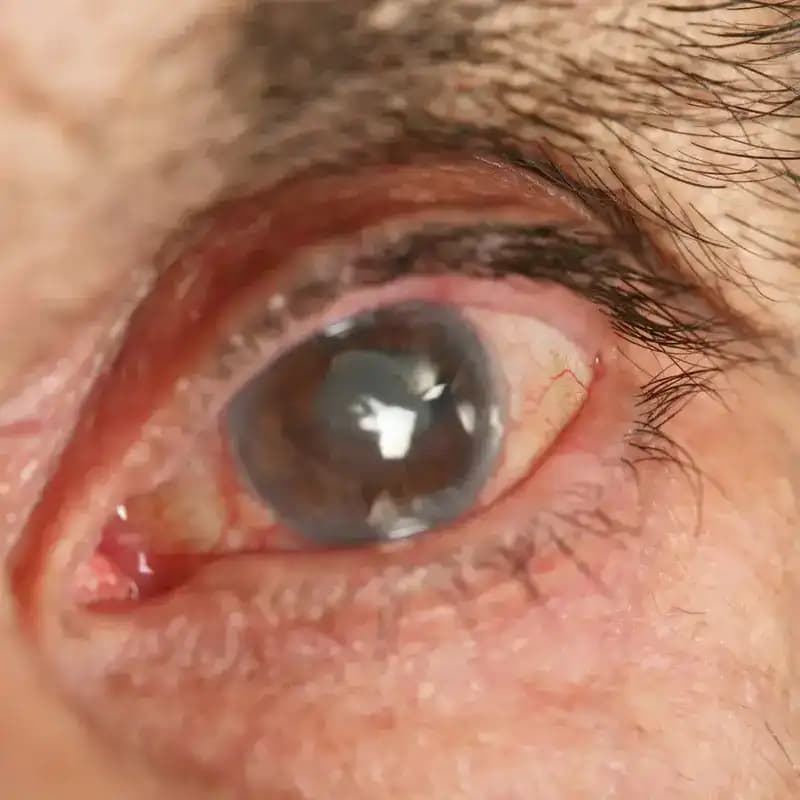
Nuclear cataract is a common age-related eye condition characterized by the clouding of the lens inside the eye. It primarily affects the nucleus, or central portion, of the lens, leading to vision changes and visual impairment. Let's delve into the causes, symptoms, and treatment options for nuclear cataract to gain a better understanding of this condition.
Causes of Nuclear Cataract
The primary cause of nuclear cataract is aging, as the proteins within the lens of the eye undergo structural changes over time, resulting in cloudiness and opacity.
Aging:
Exposure to ultraviolet (UV) radiation from sunlight over the years may contribute to the development of nuclear cataracts, especially in individuals with prolonged outdoor exposure without adequate eye protection.
Ultraviolet Radiation:
Oxidative stress, caused by the accumulation of reactive oxygen species (ROS) in the eye, can damage lens proteins and cellular structures, accelerating the formation of nuclear cataracts.
Oxidative Stress:
Symptoms of Nuclear Cataract
Nuclear cataracts can cause blurred or cloudy vision, making it difficult to see objects clearly, especially in low light conditions or at night.
Blurred Vision:
People with nuclear cataracts may experience increased sensitivity to glare from bright lights, headlights, or sunlight, leading to discomfort and difficulty driving at night.
Glare Sensitivity:
Nuclear cataracts can affect color perception, causing colors to appear faded, yellowed, or less vibrant than usual.
Changes in Color Perception:
Individuals with nuclear cataracts may notice frequent changes in their eyeglass prescription as their vision deteriorates over time.
Frequent Changes in Eyeglass Prescription:
Treatment Options for Nuclear Cataract
Adopting healthy lifestyle habits such as wearing sunglasses with UV protection, eating a balanced diet rich in antioxidants, and quitting smoking can help slow the progression of nuclear cataracts and protect overall eye health.
Lifestyle Modifications:
In the early stages of nuclear cataract, prescription eyeglasses or contact lenses may help improve vision and alleviate symptoms such as blurred vision and glare sensitivity.
Prescription Eyewear:
Cataract surgery is the most effective treatment for advanced nuclear cataracts that significantly impair vision. During cataract surgery, the cloudy lens is removed and replaced with an artificial intraocular lens (IOL) to restore clear vision.
Cataract Surgery:
Advanced cataract surgery techniques offer various intraocular lens options, including multifocal lenses and toric lenses, which can correct vision problems such as presbyopia and astigmatism in addition to treating cataracts.
Intraocular Lens Options:
Managing Nuclear Cataract Symptoms
Regular eye examinations are essential for monitoring the progression of nuclear cataracts and detecting any changes in vision early on. Early intervention can help prevent vision loss and improve treatment outcomes.
Regular Eye Exams:
Using bright, adequate lighting when reading or performing close-up tasks can help compensate for vision changes caused by nuclear cataracts and reduce eyestrain.
Use of Bright Lighting:
Individuals with nuclear cataracts may find it challenging to drive at night due to glare sensitivity and reduced contrast sensitivity. Avoiding nighttime driving or using alternative transportation methods can help ensure safety on the road.
Avoiding Driving at Night:
Conclusion
Nuclear cataract is a common age-related eye condition characterized by the clouding of the lens nucleus, leading to vision changes and visual impairment. While nuclear cataracts cannot be reversed, various treatment options are available to manage symptoms and improve quality of life. By understanding the causes, symptoms, and treatment options for nuclear cataract, individuals can take proactive steps to protect their vision and maintain eye health as they age. If you experience symptoms of nuclear cataract, consult with an eye care professional for evaluation and personalized treatment recommendations.







Comments (0)