Phacoemulsification: A Modern Approach to Cataract Surgery
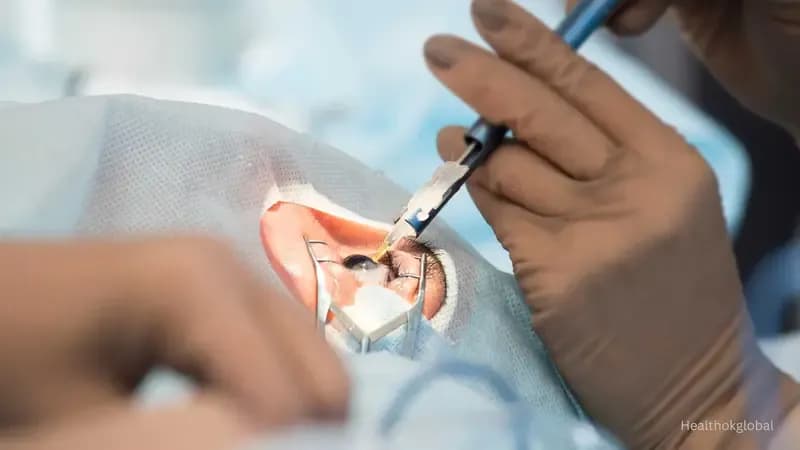
Phacoemulsification is a modern cataract surgery technique that uses ultrasonic energy to emulsify the eye's natural lens before removal.

Cataract — clouding of the eye's natural lens — is the leading cause of reversible blindness in India and globally. It accounts for over 60% of blindness in India, affecting millions of people who could see clearly after a single operation. Cataract typically develops gradually with age, causing progressively blurred vision, glare from lights, faded colours, and difficulty reading or driving at night. In India, cataract also occurs in younger people — from diabetes, steroid use, eye trauma, or radiation. The operation that removes it (phacoemulsification with intraocular lens implantation) takes about 15 minutes under local anaesthesia and restores vision dramatically. The biggest barrier in India is not surgical access but getting people to come forward — and dispelling the myths that vision must deteriorate to a certain point before surgery is possible.
Last reviewed: 10 August 2026
Phacoemulsification is a modern cataract surgery technique that uses ultrasonic energy to emulsify the eye's natural lens before removal.
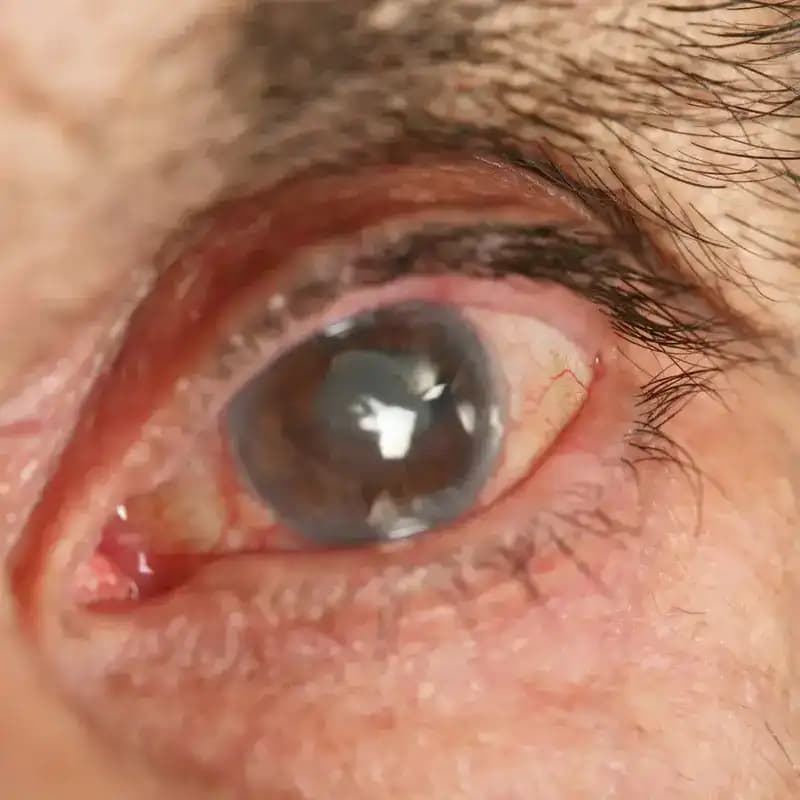
Nuclear cataract is a common age-related eye condition characterized by the clouding of the lens inside the eye.

Cataract surgery, though generally safe, carries certain risks and complications.

Posterior subcapsular cataract is a common eye condition that affects the lens of the eye, leading to vision impairment.
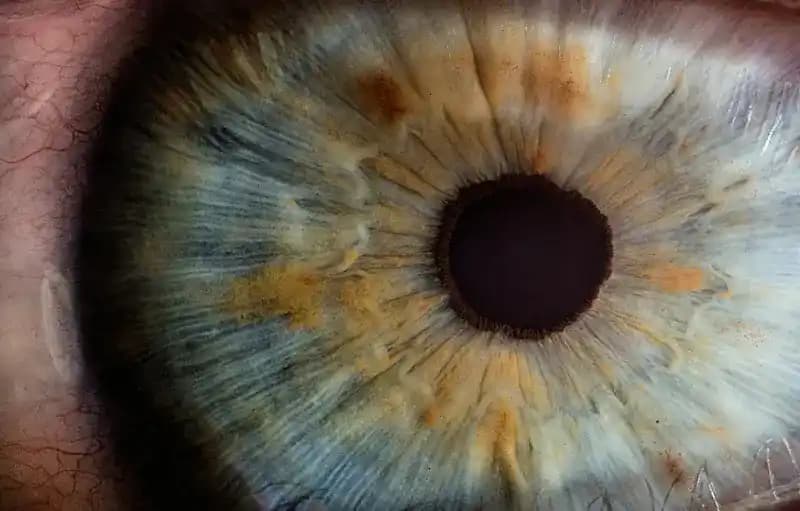
Morgagnian cataract is a type of advanced cataract characterized by the liquefaction of the lens nucleus, leading to significant vision impairment.

Senile cataract is an age-related eye condition that can impair vision. Learn about its causes, symptoms, advanced treatments, and how to maintain eye health.
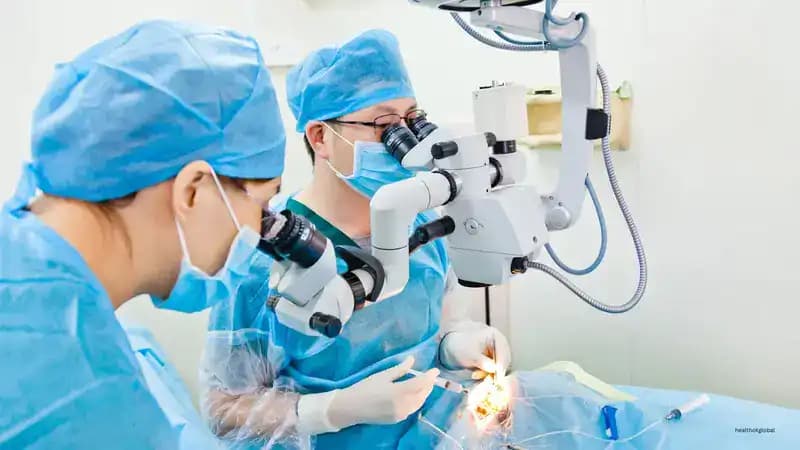
Eye surgery encompasses a range of procedures aimed at correcting vision problems, treating eye diseases, and improving overall eye health.
Expert answers from our medical team
The decision is based on how much the cataract affects your daily life — not on how the cataract looks or what an eye chart says. Indicators that surgery is appropriate: difficulty driving (especially at night due to glare and halos), struggling to read despite glasses, difficulty recognising faces, problems with your usual work or hobbies, or the cataract preventing adequate examination or treatment of another eye condition (like diabetic retinopathy). There is no benefit to waiting longer than necessary — cataracts don't become 'more operable' with time, and very dense cataracts are actually harder to remove. If your vision is not bothering you, surgery can wait. If it is affecting your independence and quality of life, that is the right time.
Phacoemulsification (phaco) is the standard technique: the eye is numbed with drops or a small injection around the eye (general anaesthesia is rarely needed). A tiny incision (2-3mm) is made at the edge of the cornea. An ultrasound probe breaks the cloudy lens into fragments, which are gently suctioned out. A folded artificial intraocular lens (IOL) is inserted through the same incision and unfolds in place — no stitches needed. The whole procedure takes 15-20 minutes. The eye is covered with a shield for protection. Vision often improves within 24 hours, though some blurring initially. Full stabilisation takes 4-6 weeks. The less common SICS (small incision cataract surgery) is used in advanced cataracts or lower-resource settings — equally effective but a slightly larger incision.
The standard monofocal IOL corrects vision for one distance — most surgeons aim for distance vision, and reading glasses are then needed. Premium IOL options: multifocal IOLs restore vision at multiple distances and reduce dependence on glasses — suitable for patients who strongly prefer spectacle independence, though some experience halos and glare. Extended depth-of-focus (EDOF) IOLs give a broader range of clear vision with fewer halos than multifocals. Toric IOLs correct astigmatism simultaneously. Premium lenses cost significantly more and are not available under government schemes. Important caveat: no lens gives perfect spectacle independence in all situations, and patients with certain retinal conditions, severe dry eyes, or irregular corneas may not be good candidates for premium lenses — discuss your lifestyle needs and eye health with your surgeon.
Cataract surgery is extremely safe — serious complications occur in under 1% of cases at experienced centres. The most significant complication is posterior capsule rupture (tearing of the membrane behind the lens) during surgery, occurring in about 1-2% of cases — managed at the time of surgery, usually without long-term consequences. Posterior capsule opacification (PCO) — a secondary 'after-cataract' where the remaining membrane becomes cloudy months to years later — occurs in 20-40% of patients and is treated with a simple 5-minute laser procedure (YAG laser capsulotomy) done in clinic. Post-operative infection (endophthalmitis) is rare (1 in 1000-3000) but serious — report any increasing pain, redness, or vision loss in the days after surgery immediately. Overall, the risk of serious permanent visual loss from surgery is far lower than the risk of leaving a visually significant cataract untreated.
The first 24 hours: rest, avoid rubbing the eye, wear the provided eye shield when sleeping. Use prescribed antibiotic and anti-inflammatory eye drops as instructed — typically for 4-6 weeks, tapering. Avoid water entering the eye for 1-2 weeks (no swimming, careful washing). Don't lift heavy objects or strain for 2 weeks — raised intraocular pressure during this period can stress the wound. Light activities resume in 1-2 days; driving when vision is adequate (typically 1-2 days for the operated eye). The final glasses prescription is given at 4-6 weeks when the eye has stabilised. The other eye is typically done 2-4 weeks later if both need surgery. Seek urgent review if you develop increasing pain, significant redness, discharge, or sudden vision change at any point — these need same-day assessment.
Questions from our community members
Ask our medical community. Your question may help others with similar concerns.
Verified specialists across India