
Health with Sakal: ६ महिन्यांपर्यंतच्या बाळाला कुठल्या लसी दिल्याच पाहिजेत? | Dr. Mahesh Sulakshane


Adult Vaccination & Immunization covers the vaccines adults need or should consider — Tdap booster, influenza, COVID, pneumococcal, hepatitis B, HPV catch-up, shingles, travel vaccines. Our doctors and editorial team explain India's adult vaccination landscape, what each vaccine protects against, and how to build an immunization plan that matches your age and risks.
Last reviewed: 10 August 2026
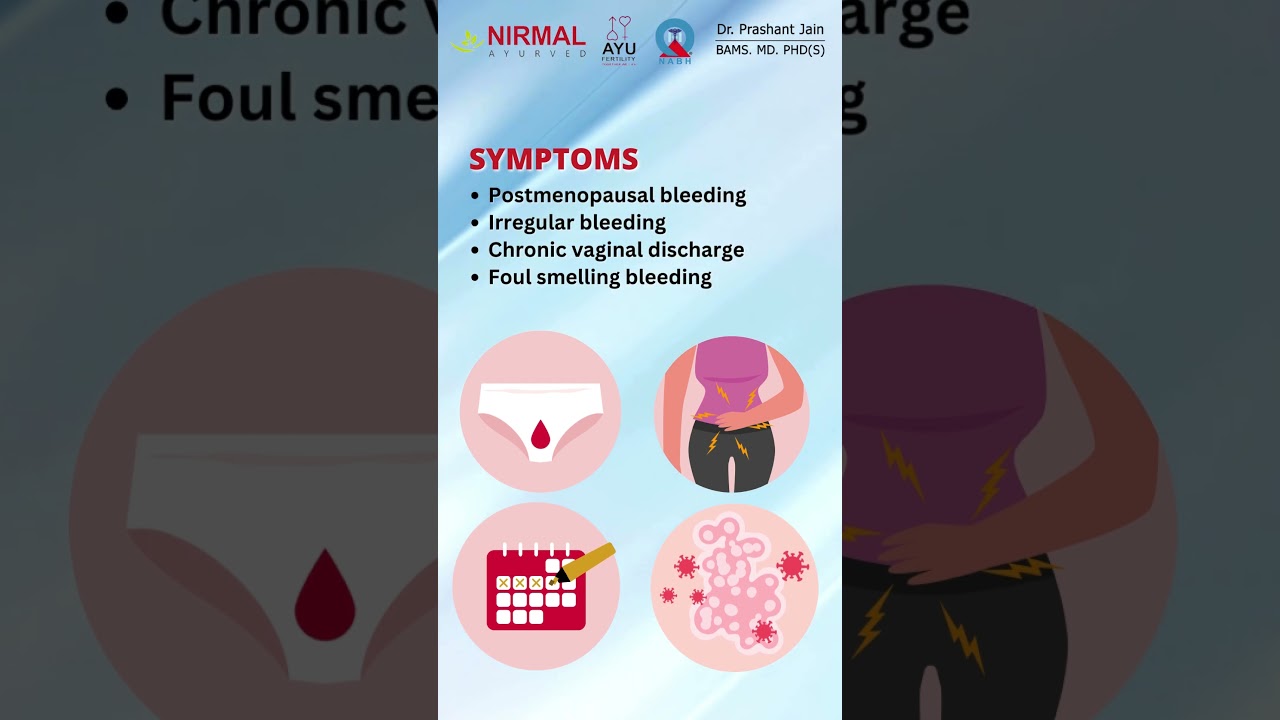
Here we are highlighting the increased cervical cancer risks in females with multiple childbirths, multiple sexual partners, and early marriage. Symptoms include postmenopausal bleeding, irregular bleeding, chronic vaginal discharge, and foul-smelling bleeding. Get yourself screened with LBC+HPV testing to detect cervical cancer early.

Understand everything about the HPV vaccine — from its benefits and dosing schedule to side effects, pricing in India, and availability in government hospitals.
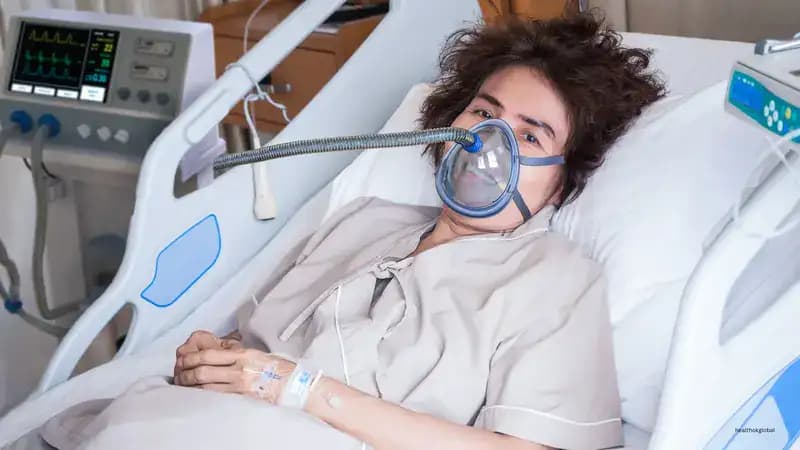
Patients on ventilators require meticulous and compassionate care to ensure their well-being and recovery.
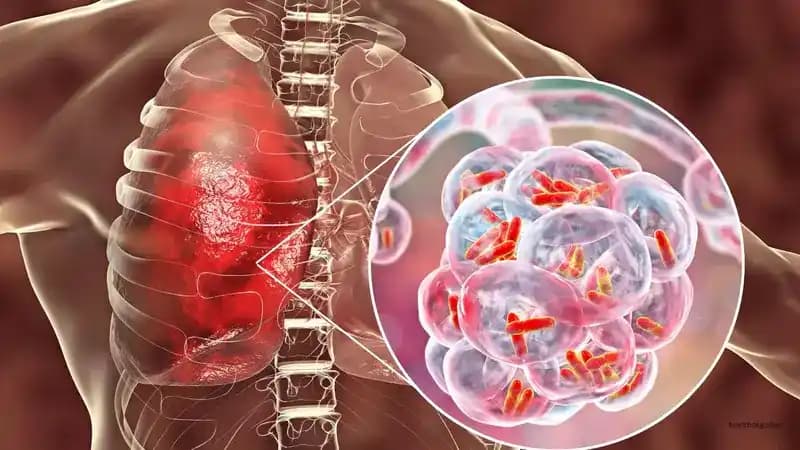
A nursing diagnosis for pneumonia involves a comprehensive assessment of the patient's condition and the development of a tailored care plan.
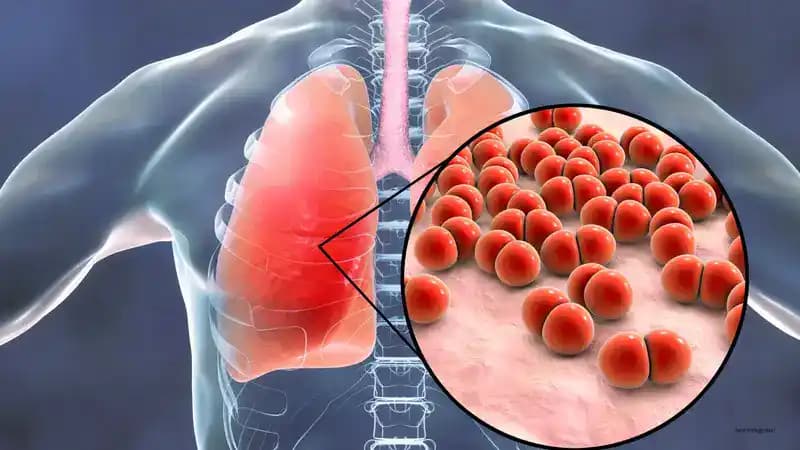
Developing an effective nursing care plan for patients with pneumonia involves thorough assessment, diagnosis, and intervention. This guide provides essential information on creating and implementing a nursing care plan for pneumonia.

Pneumonia is a respiratory condition characterized by the inflammation of the air sacs in one or both lungs, which can fill with fluid or pus.
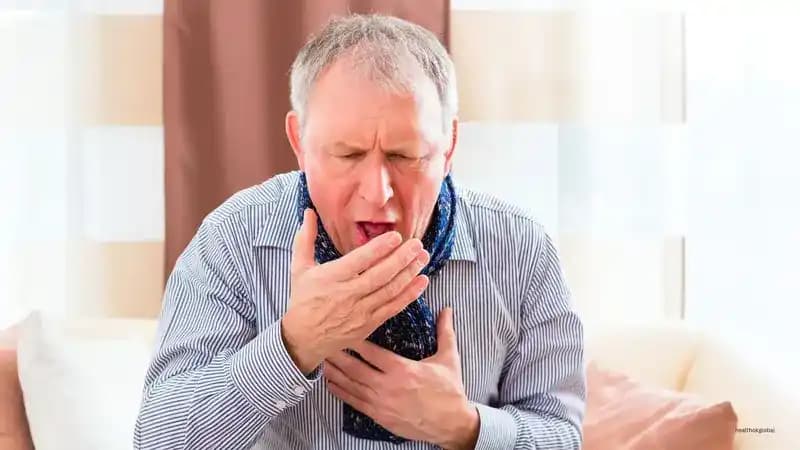
Developing an effective nursing care plan for patients with a cough involves thorough assessment, diagnosis, and intervention. This guide provides essential information on creating and implementing a nursing care plan for cough.

Shingles, also known as herpes zoster, is a viral infection that causes a painful rash and can lead to severe complications if left untreated.
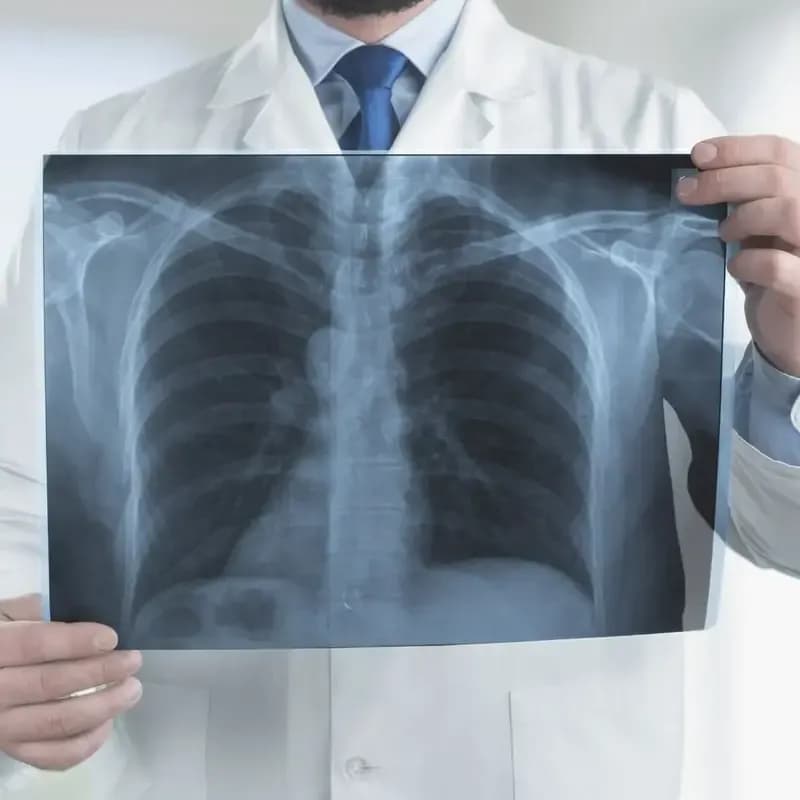
Cystic fibrosis (CF) is a severe autosomal recessive genetic condition impacting the respiratory and digestive systems, caused by mutations in the CFTR gene.

While cancer is not traditionally classified as contagious, this blog explores indirect links, contributing factors, and preventive strategies to help readers better understand cancer risks.
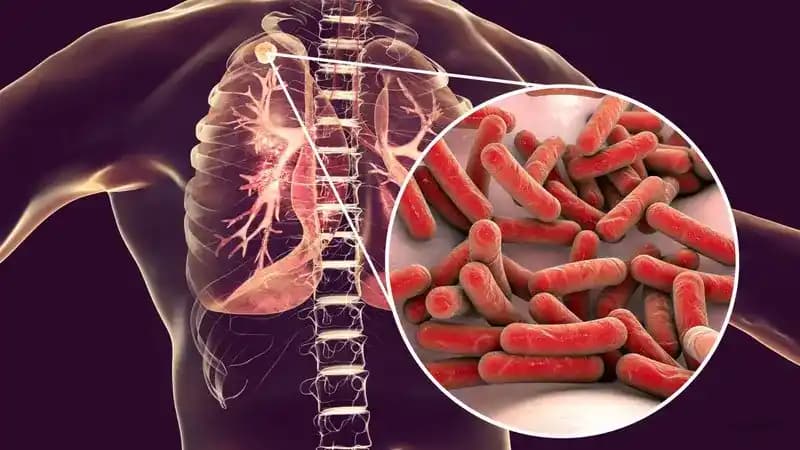
TB progresses through three distinct stages, primary infection, latent TB (dormant, non-contagious), and active disease. Understanding how the bacteria evade the immune system and where treatment fits in each stage matters for anyone in India where TB remains highly prevalent.
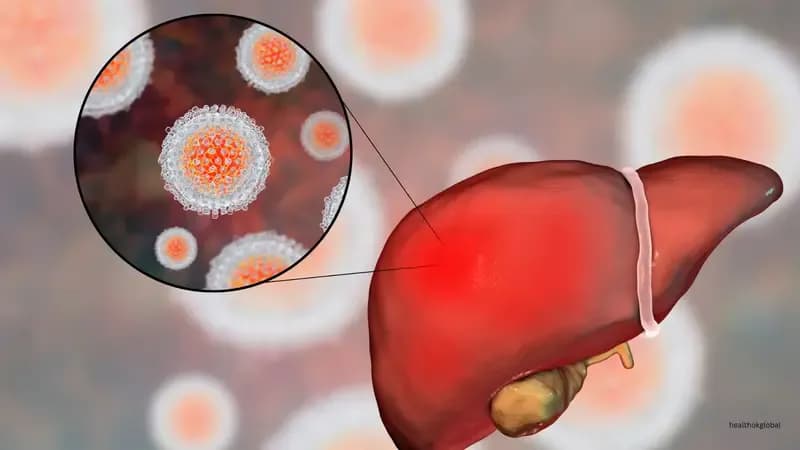
Hepatitis B post exposure prophylaxis (PEP) involves a series of interventions to prevent infection after potential exposure to the hepatitis B virus (HBV).
Two classification systems clinicians use for leprosy: WHO's simple paucibacillary vs multibacillary split (used for treatment decisions) and the more detailed Ridley-Jopling five-type system (used for prognosis and research). Here is what each type looks like clinically and why classification matters.
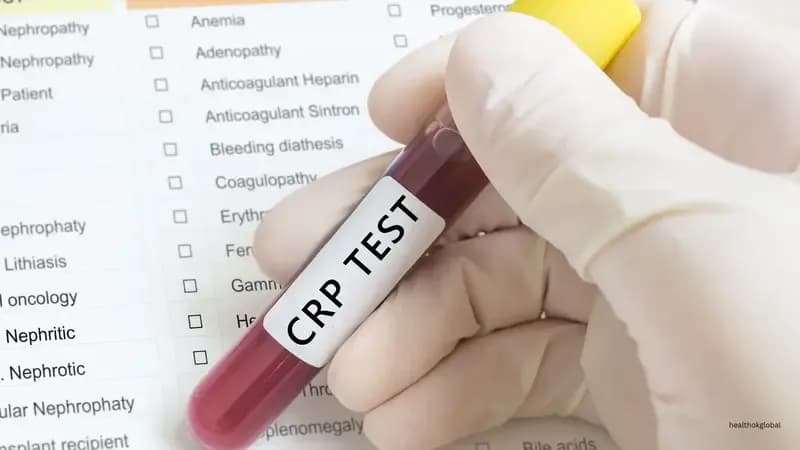
C-reactive protein (CRP) is an important biomarker in the diagnosis and management of COVID pneumonia.
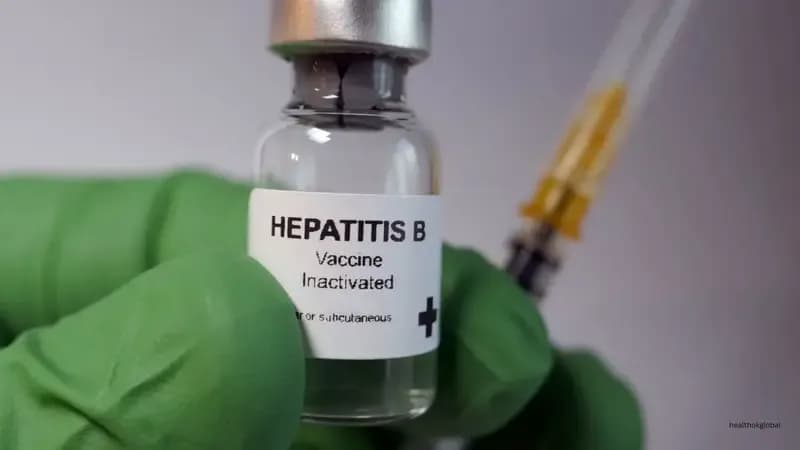
The hepatitis vaccine is essential for protecting adults against hepatitis A and B infections.
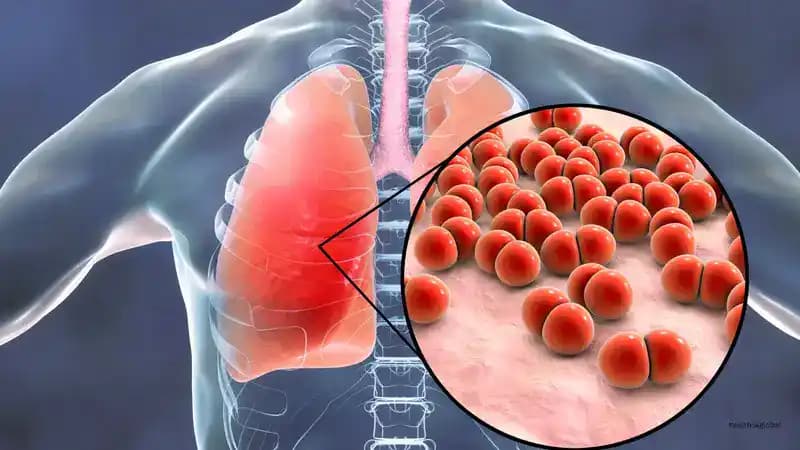
The pathogenesis of pneumonia involves the invasion of lung tissue by infectious agents, leading to inflammation and impaired gas exchange.
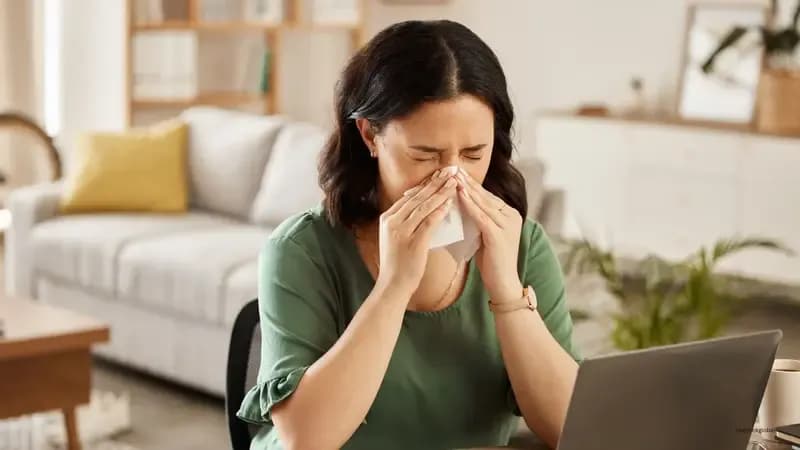
Viral fever is a common illness caused by viral infections, leading to symptoms such as high temperature, body aches, and fatigue.

H3N2 is a subtype of the influenza A virus and is one of the primary strains responsible for seasonal flu outbreaks.

The Pneumococcal Conjugate Vaccine (PCV) is a critical immunization used to protect against infections caused by Streptococcus pneumoniae bacteria.
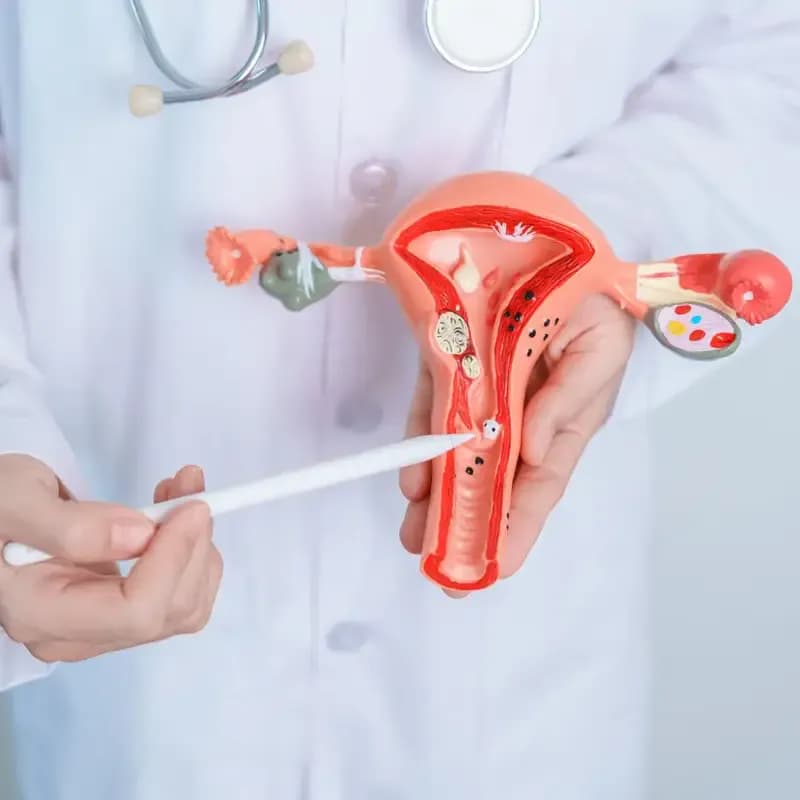
Cervical cancer is a significant health concern worldwide, with a complex pathophysiology involving various genetic, environmental, and viral factors.
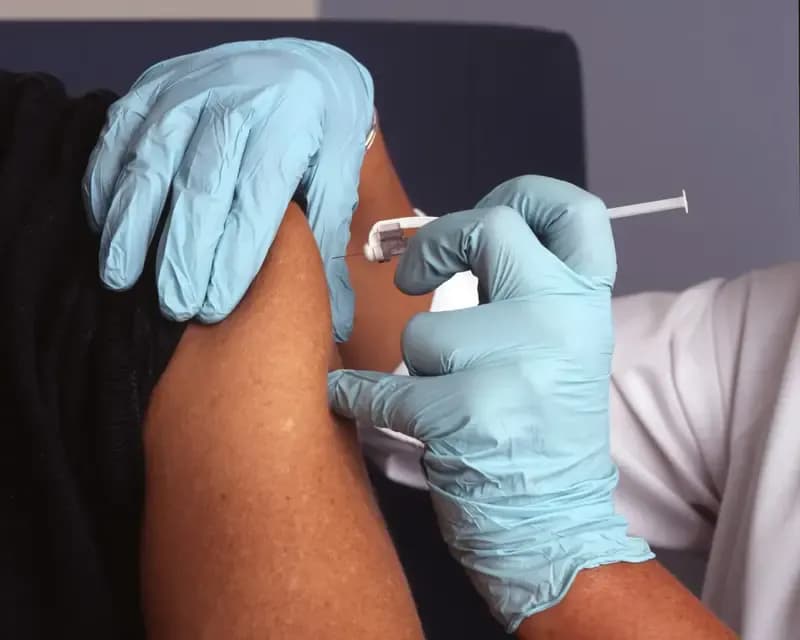
Cervical cancer is a significant health concern for women globally, including in India. Fortunately, the availability of the cervical cancer vaccine has provided a crucial tool in the fight against this disease.
Verified specialists across India
Annual flu vaccine; tetanus-diphtheria booster every 10 years; hepatitis B if not immunised as a child; hepatitis A for those without prior exposure; MMR if unclear vaccination history; varicella if never had chickenpox. Adults over 50-60 should consider shingles vaccine; over 65, pneumococcal vaccines. Pregnant women need Tdap and flu vaccine. Healthcare workers, travellers, and people with chronic conditions may need additional vaccines.
Yes — especially for people over 65, children, pregnant women, and anyone with chronic conditions (diabetes, heart disease, lung disease). Flu in these groups can be serious or fatal. Even for healthy adults, the vaccine reduces severity and prevents you from spreading flu to vulnerable family members. India's flu vaccine covers strains circulating locally; ideal timing is October-November, before the winter/monsoon flu waves.
Not every minor cut — but any deep wound, burn, or wound contaminated with soil, rust, or animal saliva warrants a booster if it's been more than 5 years since your last one. Routine boosters are recommended every 10 years for all adults. Tetanus is rare but often fatal when it happens; the vaccine is safe and cheap.
For most adults, the initial vaccination gave meaningful protection. Additional boosters are recommended for older adults, people with weakened immune systems, and those with chronic conditions — based on current government guidelines, which shift as the virus evolves. Ask your doctor for the current recommendation for your risk group.
Government hospitals offer several adult vaccines free or subsidised. Private hospitals, clinics, and vaccination centres offer the full range at cost. Some vaccines (yellow fever, JE, rabies) are only at specific centres. Ayushman Bharat centres and private teleconsults can guide you to the nearest source. Keep a personal vaccination record — most Indian adults don't have one.
Ask our medical community. Your question may help others with similar concerns.
No questions yet. Be the first to ask!