
Introduction
Shingles, also known as herpes zoster, is a viral infection that results in a painful rash. It is caused by the varicella-zoster virus, which remains dormant in the body after a chickenpox infection and can reactivate later in life. This guide explores the importance of the shingles vaccine in India, its availability, benefits, and how to get vaccinated to prevent severe complications.
Understanding Shingles and Its Risks
Shingles primarily affects adults over the age of 50 and those with weakened immune systems. The virus attacks nerve tissues, leading to nerve pain that can persist even after the rash heals. Studies suggest that 1 in 3 people will develop shingles in their lifetime, and the risk increases with age.
Symptoms of Shingles
Shingles symptoms appear in stages. Initially, patients may feel tingling, itching, or burning sensations on one side of the body. Within days, a painful red rash appears, followed by fluid-filled blisters. Other symptoms include fever, fatigue, and headache. Severe cases may affect vision if the rash develops near the eyes.
Complications of Shingles
Shingles can lead to serious complications such as postherpetic neuralgia (PHN), which causes persistent nerve pain even after the rash disappears. Studies indicate that around 10-18% of people with shingles develop PHN. Other complications include bacterial skin infections, vision problems, and neurological disorders. Learn more about potential neurological risks associated with aging at Understanding Neurological Disorders in Elders.
Importance of the Shingles Vaccine
The shingles vaccine reduces the risk of developing shingles by 90% and prevents severe complications like PHN. The CDC and WHO recommend vaccination for individuals above 50 years.
Effectiveness of the Vaccine
The shingles vaccine is considered safe, with mild side effects such as redness, swelling, and fatigue. Severe reactions are extremely rare, and benefits outweigh potential risks.
Safety of the Vaccine
Availability of the Shingles Vaccine in India
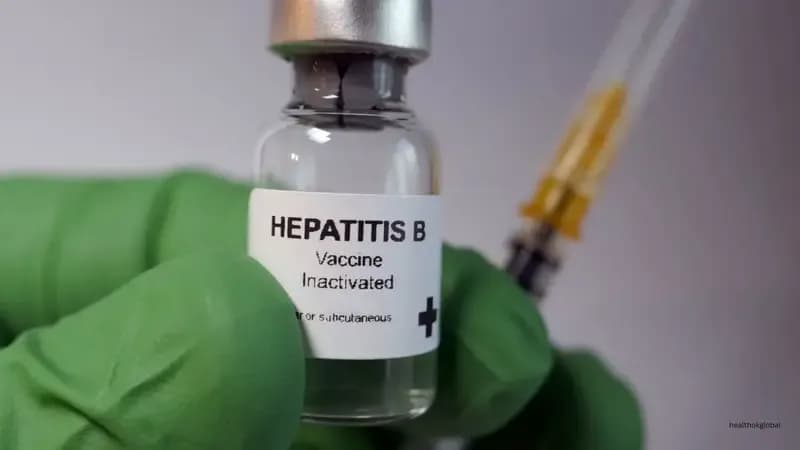
India offers two vaccines: Zostavax (live vaccine) and Shingrix (non-live recombinant vaccine). Shingrix is preferred due to its higher efficacy and suitability for immunocompromised individuals.
Types of Shingles Vaccines
Adults aged 50 and above and those with weak immune systems should consider getting vaccinated. Even individuals who have had shingles before should get vaccinated to prevent recurrence.
Who Should Get Vaccinated?
How to Get Vaccinated in India
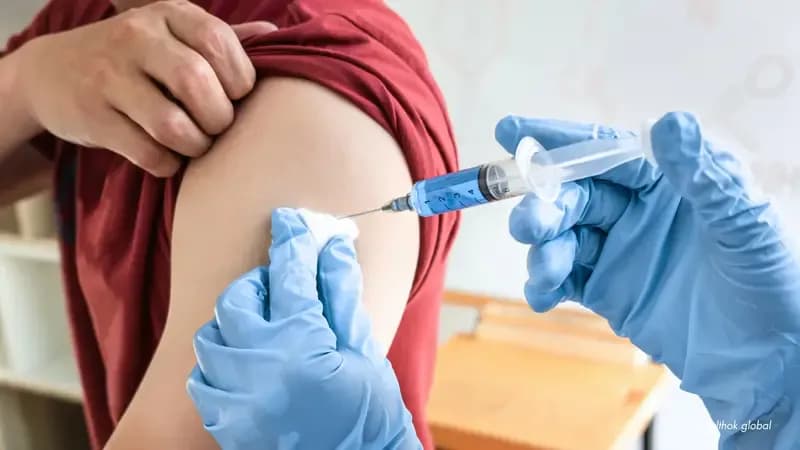
Talk to your doctor to determine the best vaccine for your age and health condition.
Consult Your Healthcare Provider
The vaccine is available at major hospitals, clinics, and specialized immunization centers in India.
Locate a Vaccination Center
Monitor for minor side effects such as soreness and fatigue. Drink plenty of fluids and rest as needed.
Post-Vaccination Care
The Future of Shingles Vaccination in India
Government and healthcare organizations are working to improve vaccine awareness and accessibility.
Public Awareness Campaigns
Ongoing research is leading to even more effective and long-lasting vaccines.
Advancements in Vaccine Research
FAQs About the Shingles Vaccine
No, but it is strongly recommended for individuals above 50 years to prevent serious complications.
Is the shingles vaccine mandatory?
Yes, even if you haven't had chickenpox, you can receive the vaccine for protection.
Can I get the shingles vaccine if I’ve never had chickenpox?
Maintaining a strong immune system with a healthy diet, regular exercise, and sufficient vitamin D can help. Learn more about the role of vitamin D in aging at Vitamin D Deficiency and Aging Health Risks.
Are there natural ways to prevent shingles?
Conclusion
The shingles vaccine is a crucial step in preventing painful outbreaks and long-term complications. In India, awareness about vaccination is growing, and individuals above 50 are strongly encouraged to get vaccinated. With ongoing advancements in healthcare, access to vaccines is improving, making it easier to protect yourself and your loved ones from shingles.
About Zocvi
Zocvi connects patients with verified doctors and evidence-based health guidance. Visit zocvi.com or reach us on WhatsApp at +91-92724-57637.






Comments (0)