
Introduction
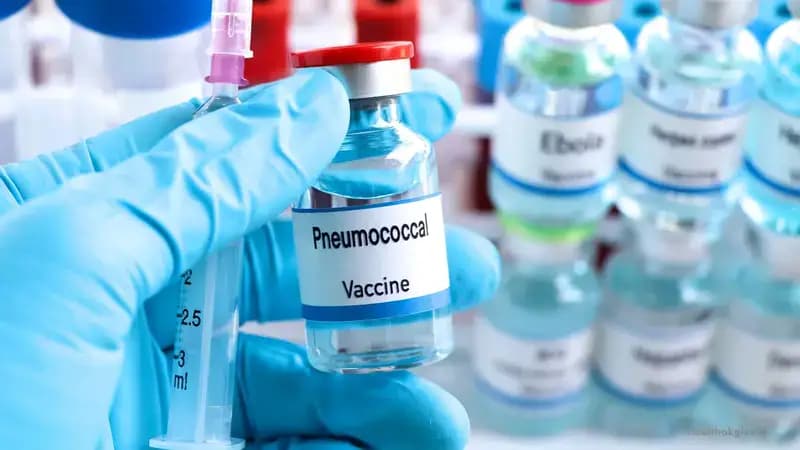
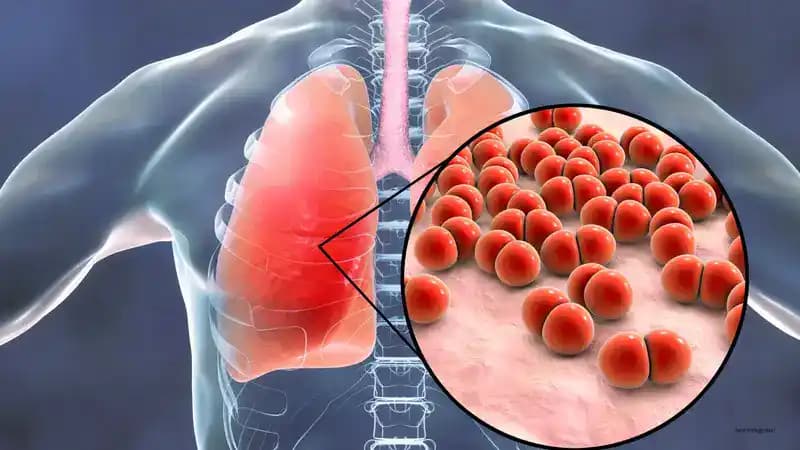
The Pneumococcal Conjugate Vaccine (PCV) is a critical immunization used to protect against infections caused by Streptococcus pneumoniae bacteria. These bacteria can lead to severe diseases such as pneumonia, meningitis, and sepsis, particularly in young children, the elderly, and individuals with weakened immune systems. PCV works by stimulating the body’s immune response, thereby providing long-term protection against pneumococcal diseases.
The Importance of PCV in Public Health
Pneumococcal diseases are a significant cause of morbidity and mortality worldwide, especially in children under the age of five and the elderly. The introduction of PCV has drastically reduced the incidence of these diseases. According to the World Health Organization (WHO), pneumococcal vaccines are an essential part of the global immunization agenda, and widespread vaccination has led to a substantial decrease in pneumococcal-related illnesses and deaths.
Types of PCV
There are several types of PCV available, each targeting different serotypes of the pneumococcal bacteria. The most commonly used vaccines include PCV10 and PCV13, which protect against 10 and 13 serotypes of pneumococcus, respectively. These vaccines are chosen based on the prevalence of specific serotypes in different regions, ensuring optimal protection.
Protects against 10 serotypes and is widely used in many countries' immunization schedules.
PCV10:
Covers an additional three serotypes compared to PCV10 and provides broader protection, making it the preferred choice in many high-risk areas.
PCV13:
Benefits of PCV Vaccination
The benefits of PCV vaccination are extensive and multifaceted. Firstly, it significantly reduces the risk of invasive pneumococcal diseases, which can be life-threatening. Additionally, it decreases the incidence of less severe but more common conditions such as otitis media (middle ear infection). By preventing pneumococcal diseases, PCV also reduces the need for antibiotic use, thereby contributing to the fight against antibiotic resistance.
PCV provides robust protection against severe diseases like meningitis and bacteremia, which can lead to long-term complications or death.
Protection Against Invasive Diseases:
Vaccination has been shown to lower the incidence of middle ear infections, a common illness in young children.
Reduction in Otitis Media Cases:
By reducing the overall incidence of pneumococcal infections, PCV helps limit the need for antibiotics, curbing the spread of antibiotic-resistant bacteria.
Combating Antibiotic Resistance:
Administration and Schedule
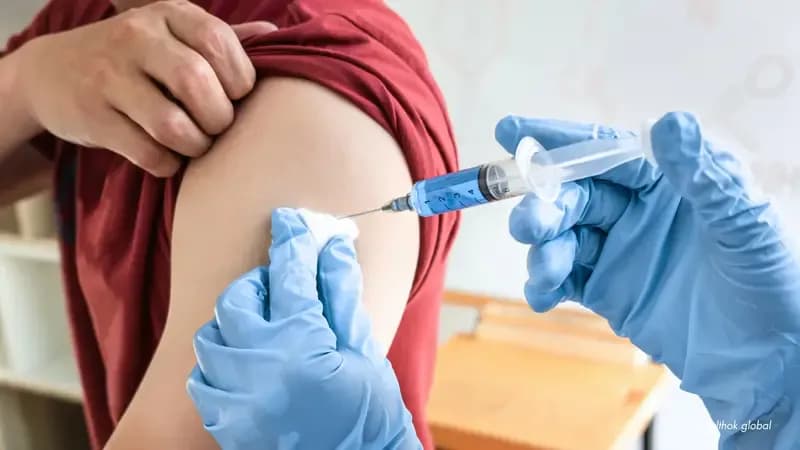
PCV is typically administered as a series of injections starting in infancy. The exact schedule may vary based on the country’s immunization guidelines, but a common regimen includes doses at 2, 4, and 6 months of age, with a booster dose at 12-15 months. For older children and adults at increased risk, such as those with chronic health conditions or compromised immune systems, additional doses or different schedules may be recommended.
Generally, the primary series is given at 2, 4, and 6 months, followed by a booster at 12-15 months.
Infant Schedule:
Look for reviews and testimonials from other patients and their families to gauge the quality of care provided.For older children who missed the infant series, catch-up vaccination schedules are available.
Catch-Up Schedule:
Recommended for adults over 65 and individuals with specific health conditions.
Adult Vaccination:
Safety and Side Effects
PCV has an excellent safety profile, with most side effects being mild and temporary. Common side effects include redness or swelling at the injection site, fever, and irritability. Serious side effects are rare. The benefits of vaccination far outweigh the risks, and monitoring systems are in place to ensure ongoing safety.
Mild reactions like soreness at the injection site and low-grade fever are typical.
Common Side Effects:
Rare but can include allergic reactions; however, these are closely monitored.
Serious Side Effects:
Systems like the Vaccine Adverse Event Reporting System (VAERS) help track and ensure vaccine safety.
Vaccine Safety Monitoring:
Impact of PCV on Public Health
The introduction of PCV into national immunization programs has had a profound impact on public health. Studies have shown a significant reduction in hospitalizations and deaths due to pneumococcal diseases. Additionally, herd immunity benefits the entire population, including unvaccinated individuals, by reducing the overall circulation of pneumococcal bacteria.
Notable decreases in pneumococcal disease rates in vaccinated populations.
Reduction in Disease Incidence:
Indirect protection extends to unvaccinated individuals, contributing to broader public health benefits.
Herd Immunity:
PCV has become a cornerstone of childhood immunization programs worldwide, demonstrating its vital role in disease prevention.
Global Health Impact:
Conclusion
PCV is a critical vaccine in the fight against pneumococcal diseases, providing essential protection for vulnerable populations, especially young children and the elderly. Its implementation has led to substantial public health gains, reducing disease burden and saving lives. Ensuring widespread access to PCV remains a global health priority, underscoring the importance of continued immunization efforts. By understanding the significance, benefits, and administration of PCV, we can better appreciate its role in protecting public health and preventing severe diseases caused by Streptococcus pneumoniae.








Comments (0)