

Introduction
Cancer, primarily caused by genetic mutations and environmental factors, has often been surrounded by myths about its transmissibility. Unlike infectious diseases, cancer is not classified as contagious, meaning it cannot spread through direct contact, airborne particles, or bodily fluids. However, certain risk factors and indirect mechanisms may influence cancer development, raising questions about its perceived transmission.
Dispelling Myths About Contagious Cancer
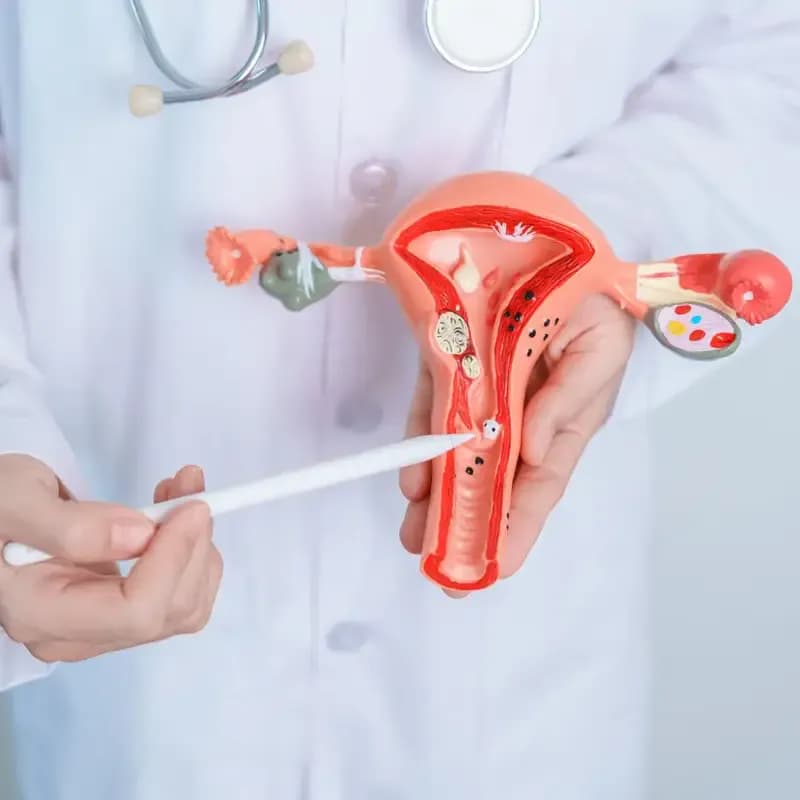
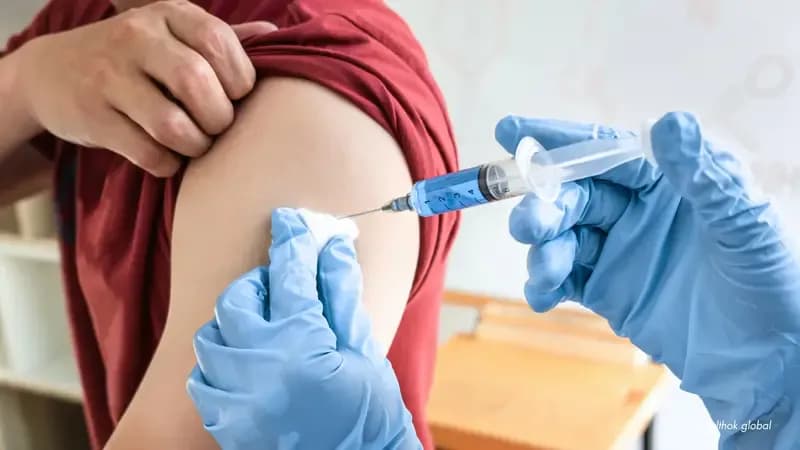
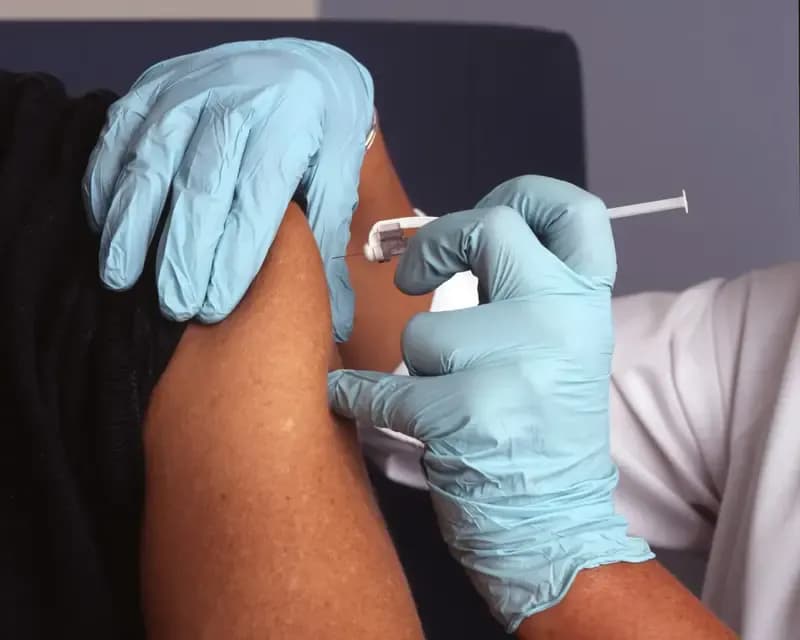
Cancer itself is not directly transmissible between individuals. Yet, certain pathogens like the human papillomavirus (HPV) and Helicobacter pylori have been linked to increased cancer risk. For instance, HPV is strongly associated with cervical cancer, while H. pylori is a major risk factor for stomach cancer. It's crucial to understand that while these pathogens can increase susceptibility, they do not make the cancers they cause contagious. Awareness and preventive actions, such as vaccinations for HPV, can mitigate these risks.
Rare Cases of Indirect Cancer Transmission
Though rare, indirect transmission of cancer can occur under specific circumstances. Organ transplantation, for example, may carry a minimal risk if the donor organ contains cancerous cells. Additionally, maternal-fetal transmission, known as transplacental metastasis, is another extremely rare occurrence, wherein cancer cells from the mother cross the placenta to affect the fetus. Such cases, however, are outliers rather than norms.
Factors That Influence Cancer Risk
Cancer is primarily driven by genetic, environmental, and lifestyle factors. Smoking, excessive alcohol consumption, a sedentary lifestyle, and exposure to carcinogens significantly elevate cancer risk. Additionally, genetic predispositions like BRCA mutations are well-known to increase susceptibility to specific cancers. Addressing these risk factors through preventive measures can substantially lower cancer incidence.
The Role of Prevention and Screening
While cancer may not be contagious, preventive strategies are key to reducing its prevalence. Routine screenings like mammograms, Pap smears, and colonoscopies can detect cancers early, improving treatment outcomes. Vaccinations, particularly against HPV, have proven to be highly effective in reducing risks. Lifestyle modifications such as maintaining a balanced diet, regular exercise, and avoiding smoking also play critical roles in cancer prevention.
Case Study: HPV and Cancer Prevention Success
A global vaccination campaign against HPV has significantly reduced cervical cancer rates in countries with high vaccination coverage. For instance, Australia is on track to virtually eliminate cervical cancer by 2035 due to its successful implementation of the HPV vaccine. This case study underscores the power of preventive healthcare in addressing cancer risks linked to communicable pathogens.
Statistics on Global Cancer Risk
According to the World Health Organization (WHO), cancer accounts for nearly 10 million deaths annually, making it a leading cause of mortality worldwide. Approximately 30-50% of cancer cases are preventable through lifestyle changes, vaccinations, and early detection. These statistics highlight the importance of education, prevention, and screening programs in reducing the global cancer burden.
Conclusion: Addressing the Myths and Facts
While cancer is not a contagious disease, understanding the indirect factors and preventive measures can dispel myths and empower individuals to reduce their risk. By promoting awareness, fostering early detection, and supporting research, we can collectively work towards mitigating the impact of cancer globally. Education, proactive healthcare, and lifestyle modifications remain the cornerstone of effective cancer prevention.
Dedicated Elderly Support by Zocvi
Zocvi offers comprehensive elderly care services to ensure the dignity and safety of seniors. Our expert caregivers provide personalized support, from routine health checks to emotional well-being assistance. Contact our FREE 24 x 7 Healthcare Helpline at +91-92724-57637 for immediate support and assistance.






Comments (1)