Nursing Diagnosis for Pneumonia: Key Considerations

Nursing Diagnosis for Pneumonia: Key Considerations

Overview

A nursing diagnosis for pneumonia involves a comprehensive assessment of the patient's condition and the development of a tailored care plan.

Introduction

A nursing diagnosis for pneumonia involves a comprehensive assessment of the patient's condition and the development of a tailored care plan. Pneumonia is a common respiratory infection that can lead to severe complications if not managed effectively. This guide covers key considerations for nursing diagnosis and management of pneumonia, including the identification of symptoms, risk factors, and appropriate interventions.

Understanding Pneumonia

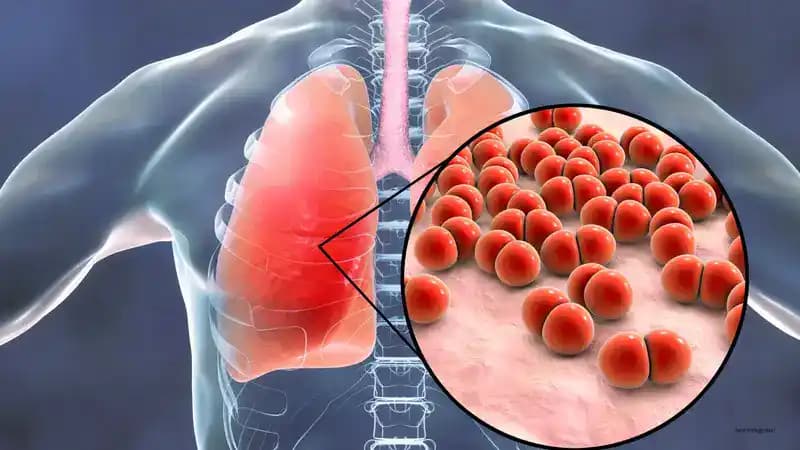
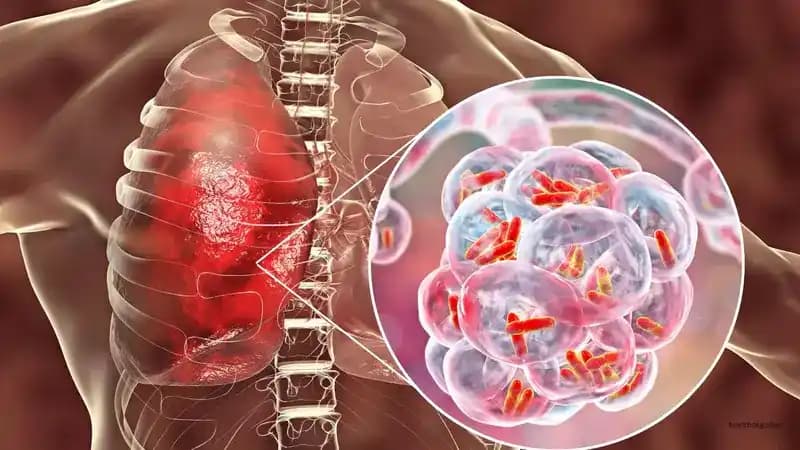
Pneumonia is an infection of the lungs that causes inflammation of the air sacs (alveoli). The alveoli may fill with fluid or pus, leading to symptoms such as cough, fever, chills, and difficulty breathing. Pneumonia can be caused by various pathogens, including bacteria, viruses, and fungi. It can affect individuals of all ages but is particularly dangerous for young children, the elderly, and those with weakened immune systems.

Common Symptoms of Pneumonia

The symptoms of pneumonia can vary depending on the cause and severity of the infection. Common symptoms include:
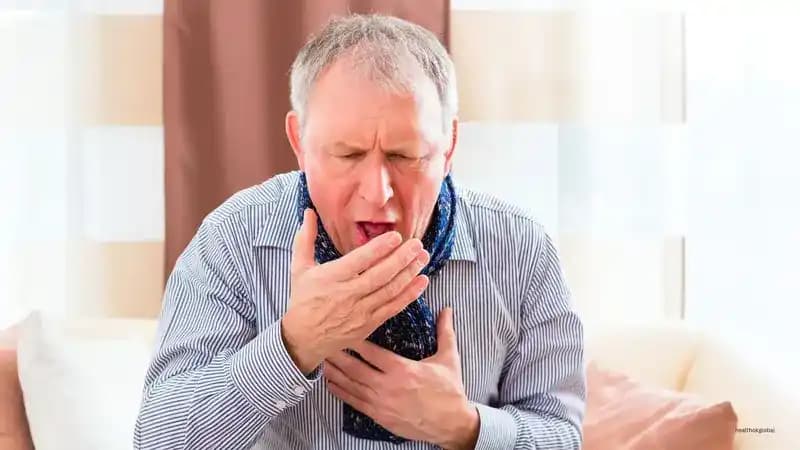
A persistent cough that may produce mucus or phlegm.

1. Cough

High fever accompanied by chills and sweating.

2. Fever

Difficulty breathing or rapid, shallow breathing.

3. Shortness of Breath

Sharp or stabbing pain in the chest that worsens with deep breathing or coughing.

4. Chest Pain

General feeling of tiredness or weakness.

5. Fatigue

Confusion or changes in mental awareness, especially in older adults.

6. Confusion

Risk Factors for Pneumonia

Certain factors can increase the risk of developing pneumonia, including:
Infants and young children, as well as adults over the age of 65, are at higher risk.

1. Age

Conditions such as asthma, chronic obstructive pulmonary disease (COPD), heart disease, and diabetes can increase the risk.

2. Chronic Diseases

Individuals with weakened immune systems due to HIV/AIDS, chemotherapy, or organ transplants are more susceptible to pneumonia.

3. Weakened Immune System

Smoking damages the lungs and impairs the body's ability to fight infections.

4. Smoking

Being hospitalized, especially in an intensive care unit (ICU), increases the risk of hospital-acquired pneumonia.

5. Hospitalization

Nursing Assessment for Pneumonia

A thorough nursing assessment is essential for diagnosing and managing pneumonia. Key components of the assessment include:
Gathering information about the patient's medical history, symptoms, and risk factors.

1. Patient History

Conducting a physical examination to assess respiratory rate, breath sounds, and the presence of any signs of respiratory distress.

2. Physical Examination

Ordering and interpreting diagnostic tests such as chest X-rays, blood tests, and sputum cultures.

3. Diagnostic Tests

Nursing Diagnoses for Pneumonia

Based on the assessment findings, several nursing diagnoses may be relevant for patients with pneumonia, including:
Related to increased mucus production and inflammation in the airways.

1. Ineffective Airway Clearance

Related to fluid-filled alveoli and impaired oxygenation.

2. Impaired Gas Exchange

Related to fatigue and shortness of breath.

3. Activity Intolerance

Related to chest pain and discomfort.

4. Acute Pain

Related to weakened immune response and potential for secondary infections.

5. Risk for Infection

Nursing Interventions for Pneumonia

Effective nursing interventions are crucial for managing pneumonia and promoting recovery. Key interventions include:
Implementing measures to maintain a clear airway, such as positioning, suctioning, and encouraging deep breathing and coughing.

1. Airway Management

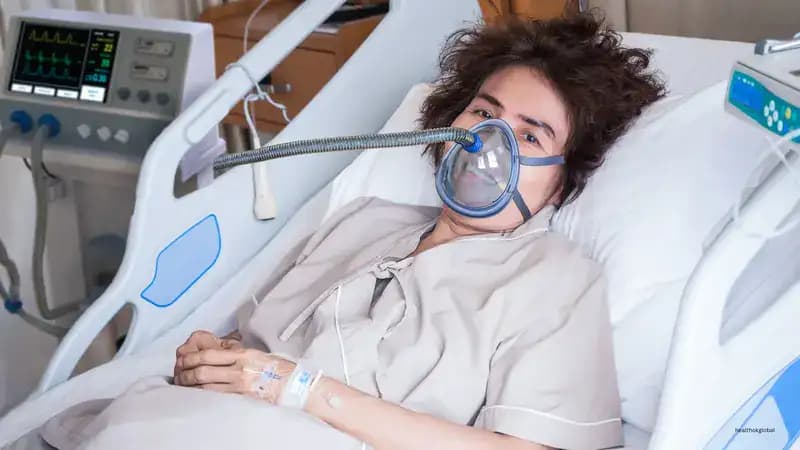
Administering supplemental oxygen to improve oxygenation and relieve hypoxia.

2. Oxygen Therapy

Administering prescribed medications, including antibiotics, antipyretics, and bronchodilators.

3. Medication Administration

Ensuring adequate hydration and nutrition to support the immune system and overall health.

4. Hydration and Nutrition

Educating the patient and family about pneumonia, its treatment, and preventive measures.

5. Patient Education

Conclusion

A comprehensive nursing diagnosis for pneumonia involves a thorough assessment of the patient's condition and the development of a tailored care plan. By identifying the key symptoms, risk factors, and appropriate interventions, healthcare professionals can effectively manage pneumonia and promote patient recovery. Continued education and research are essential for improving the diagnosis and management of pneumonia, ultimately reducing its impact on patients and healthcare systems.

About Zocvi

Zocvi connects patients with verified doctors and evidence-based health guidance. Visit zocvi.com or reach us on WhatsApp at +91-92724-57637.


Follow Zocvi

Stay connected with Zocvi for expert health advice. Follow us on Facebook, LinkedIn, and Instagram.

Frequently Asked Questions

How do I write a complete NANDA-format nursing diagnosis for a pneumonia patient — with an example?

NANDA nursing diagnoses follow the PES format: Problem (the nursing diagnosis label) + Etiology (related to / R/T) + Signs and Symptoms (as evidenced by / AEB). This format converts the clinical assessment into a precise, actionable statement that drives care planning. Example: Ineffective Airway Clearance related to increased mucus production and inflamed airways secondary to pneumonia, as evidenced by productive cough with thick yellow sputum, audible crackles on auscultation of the right lower lobe, respiratory rate 26/min, and SpO2 93% on room air. Breaking down each element: Problem: 'Ineffective Airway Clearance' (NANDA-I code 00031) — this tells the team exactly what the nursing problem is. Related to: 'increased mucus production and airway inflammation' — the mechanism; this drives which interventions you choose (secretion-clearance techniques, hydration, nebulised saline). As evidenced by: objective findings from assessment — the crackles, RR, SpO2, and sputum characteristics; these become the outcome benchmarks (i.e., care is working when crackles clear, RR normalises, sputum thins). Additional NANDA diagnoses for pneumonia with their R/T examples: Impaired Gas Exchange R/T alveolar-capillary membrane damage and fluid accumulation AEB PaO2 58 mmHg on ABG, confusion, cyanosis; Hyperthermia R/T infectious process AEB temperature 39.4°C, diaphoresis, flushed skin; Acute Pain R/T pleuritic inflammation AEB patient-reported 7/10 chest pain worsening on deep breath, guarded breathing. A well-written PES statement should allow any nurse covering the patient to understand exactly what problem exists, why it exists, and how to measure improvement — without needing to read the full notes.

What is the difference between Ineffective Airway Clearance and Impaired Gas Exchange in pneumonia — and how do the interventions differ?

These two diagnoses address different parts of the respiratory failure pathway in pneumonia and are often present simultaneously but require distinct interventions. Ineffective Airway Clearance (NANDA 00031): the problem is in the airway — excess mucus, inability to cough effectively, or airway narrowing from bronchospasm. The patient can oxygenate adequately if the airway is clear; the obstruction prevents this. Defining characteristics: productive or non-productive cough, abnormal breath sounds (crackles, rhonchi — low-pitched sounds from secretions in large airways), difficulty expectorating, changes in respiratory rate/rhythm. Etiology in pneumonia: infection-driven mucus hypersecretion, pain limiting effective cough effort, weakness/fatigue. Interventions: controlled coughing and huffing technique, incentive spirometry, positioning (Fowler's/side-lying), adequate hydration (2–2.5 L/day thins secretions), nebulised normal saline, chest physiotherapy, suction if unable to clear independently. Impaired Gas Exchange (NANDA 00030): the problem is in the alveoli — fluid flooding the air sacs so that oxygen cannot cross the membrane into the bloodstream, even if the airway above is clear. Defining characteristics: hypoxaemia on ABG (low PaO2, low SaO2), restlessness or confusion (brain hypoxia), cyanosis, abnormal ABG CO2 levels, SpO2 below target on room air. Etiology in pneumonia: alveolar consolidation from exudate, V/Q mismatch. Interventions: supplemental oxygen (titrate to target SpO2 92–96%), positioning to optimise V/Q (prone positioning or high Fowler's, good-lung-down positioning for unilateral consolidation), continuous SpO2 monitoring, escalation to CPAP/BiPAP if O2 requirements increase beyond 6 LPM simple mask. The practical distinction: if giving oxygen improves SpO2 and removing secretions reduces rhonchi, both problems coexist; if SpO2 doesn't improve despite patent airway, Impaired Gas Exchange is the dominant problem requiring escalation.

How do you set progressive mobilisation goals for a pneumonia patient with Activity Intolerance?

Activity Intolerance in pneumonia (NANDA 00092) stems from several converging factors: increased metabolic demand from fever and infection, reduced oxygen delivery (hypoxaemia), respiratory muscle fatigue from the increased work of breathing, and deconditioning from bed rest — which itself reduces functional capacity by approximately 1–2% per day of bed rest. The nursing goal is to begin mobilisation as soon as physiologically tolerated, because prolonged bed rest worsens atelectasis, increases DVT risk, and delays functional recovery. Progressive mobilisation protocol: Day 1 (if SpO2 ≥92% on ≤4 LPM O2 and RR <28): dangle at the side of the bed for 5–10 minutes with assistance. Monitor SpO2 and RR during and after — if SpO2 drops >4% or RR increases >6/min, return to bed, wait 30 minutes, and reassess. Day 2–3: chair transfers with assistance, sitting out of bed for meals. Day 3–4: short walks (5–10 metres) with nursing escort and portable SpO2 monitoring. Day 4+: increasing distance based on tolerance, aiming for self-care activities (washing, dressing) before discharge. SMART outcome criteria for Activity Intolerance resolution: 'Patient will tolerate 15 metres of ambulation at self-selected pace with no SpO2 drop below 92% and dyspnoea score ≤3/10 on Borg scale by day 4 of admission.' Barriers to mobilisation in India: underutilisation of physiotherapy on medical wards, families who interpret bed rest as 'proper rest'; nursing's role includes explicitly communicating to families why early walking is therapeutic, not negligent. Document each mobilisation attempt with distance, SpO2 before/during/after, Borg scale, and any adverse events.

How do I evaluate whether a nursing diagnosis has been resolved in a pneumonia patient — what are the outcome criteria?

Each NANDA nursing diagnosis needs measurable, time-bound outcome criteria (NOC — Nursing Outcomes Classification) that the nurse can objectively assess. Here are the resolution criteria for the key pneumonia diagnoses: Ineffective Airway Clearance is resolved when: breath sounds are clear to auscultation bilaterally (or crackles markedly reduced), patient demonstrates effective cough with expectoration of thinned secretions, RR is 12–20/min at rest, SpO2 ≥92% on prescribed O2. Target: 48–72 hours post-admission with appropriate antibiotics and airway management. Impaired Gas Exchange is resolved when: SpO2 ≥92% on room air (or pre-admission baseline), ABG PaO2 >60 mmHg (if monitored), absence of cyanosis, patient alert and oriented (if confusion was due to hypoxia), minimal supplemental O2 requirement. Target: 3–5 days post-admission depending on severity; CXR may lag behind clinical improvement by 1–2 weeks and should not be used as the sole discharge criterion. Hyperthermia is resolved when: temperature <37.8°C for ≥24 hours without antipyretics, diaphoresis resolved, patient comfortable. Acute Pain (pleuritic) is resolved when: pain score ≤2/10, patient demonstrates full deep breathing without guarding, able to cough effectively. Activity Intolerance is resolved when: patient tolerates self-care activities and required ambulation distance without significant SpO2 drop or dyspnoea. Evaluation process: reassess each diagnosis at every shift, document objective findings against these criteria, and — critically — escalate to the treating team if a diagnosis is not resolving within expected timeframes. Non-resolving Ineffective Airway Clearance at 72 hours despite treatment should prompt a review of antibiotic coverage, sputum culture results, and CXR for complications (pleural effusion, abscess).

Questions About This Article

Have a question? Ask the author directly.

Have a question about this article?

Ask Zocvi Editorial directly. Your question may help others with similar concerns.

Q:1 answer
Q:1 answer
Q:1 answer
Q:1 answer

Comments (0)

Found this helpful? Share it!

LinkedInWhatsApp

More from Zocvi Editorial

Other Articles You May Like

Related Topics

Find a Doctor for Home Care Tips

Verified specialists across India

Dr. Anuj S Tiwari

Geriatrician

13 yrs

Mumbai

Thunga STH Hospital
ONGC Colony, Mumbai, Maharashtra, 400056
₹1500 consultation

Dr. Krishna Singh

Pulmonologist & Chest Physician

16 yrs

Bhopal

Siddhanta Red Cross Superspeciality Hospital
Nayapura, Bhopal, Madhya Pradesh, 462030
₹500 consultation

Dr. Sameer Lote

Pulmonologist & Chest Physician

10 yrs

Nagpur

Panacea Clinic
Dhantoli, Nagpur, Maharashtra, 440012
₹500 consultation

Dr. Roshan Singh Rathore

Pulmonologist & Chest Physician

15 yrs

Raipur

Rathore Chest Clinic
Devendra Nagar, Raipur, Chhattisgarh, 492001
₹500 consultation