
Introduction
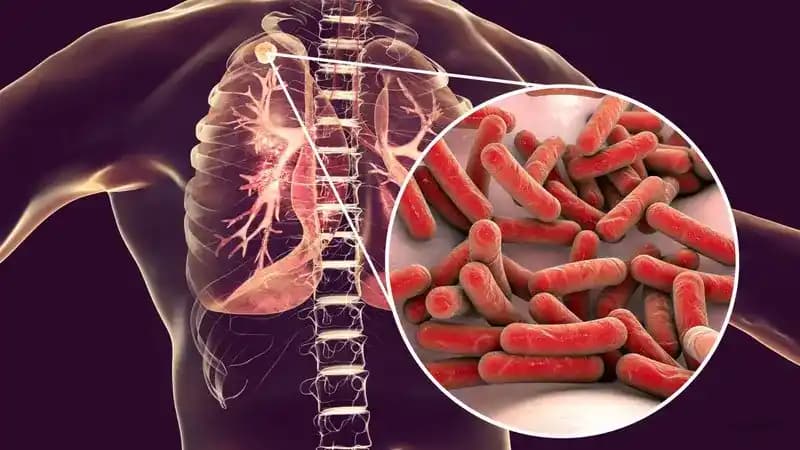
Tuberculosis (TB) is a serious infectious disease caused by the bacterium Mycobacterium tuberculosis. It primarily affects the lungs but can also spread to other organs. Understanding the pathogenesis of tuberculosis is crucial for developing effective treatments and preventive measures. This comprehensive guide explores the mechanisms of TB infection, its stages, and the body's response to the infection.
Transmission and Initial Infection
TB is transmitted through airborne droplets when an infected person coughs, sneezes, or speaks. The bacteria are inhaled and reach the alveoli in the lungs, where they are engulfed by alveolar macrophages. However, M. tuberculosis can evade destruction by the macrophages, leading to the establishment of infection.
Stages of Tuberculosis
The pathogenesis of TB involves several stages, including primary infection, latency, and active disease. Each stage is characterized by distinct interactions between the bacteria and the host's immune system.
During the primary infection stage, the bacteria multiply within the macrophages. The immune system responds by forming granulomas, which are clusters of immune cells that surround and contain the bacteria. This stage may be asymptomatic or cause mild flu-like symptoms.
1. Primary Infection
In most cases, the immune system successfully contains the bacteria, leading to a latent TB infection. The bacteria remain dormant within the granulomas and do not cause active disease. Individuals with latent TB are not infectious but can develop active TB if their immune system becomes weakened.
2. Latent TB Infection
If the immune system fails to contain the bacteria, the granulomas break down, releasing the bacteria into the lungs and potentially other parts of the body. This leads to active TB disease, characterized by symptoms such as a persistent cough, chest pain, fever, night sweats, and weight loss.
3. Active TB Disease
Immune Response to TB Infection
The body's immune response plays a critical role in the pathogenesis of TB. Key components of the immune response include the activation of macrophages, the formation of granulomas, and the involvement of T cells.
Alveolar macrophages are the first line of defense against M. tuberculosis. They attempt to engulf and destroy the bacteria through phagocytosis. However, M. tuberculosis has evolved mechanisms to survive and replicate within the macrophages.
1. Macrophage Activation
Granulomas are formed as a protective response to contain the infection. They consist of a core of infected macrophages surrounded by a layer of immune cells, including T cells and fibroblasts. Granulomas help prevent the spread of the bacteria but can also become sites of chronic inflammation.
2. Granuloma Formation
T cells, particularly CD4+ T cells, play a crucial role in controlling TB infection. They produce cytokines that activate macrophages and enhance their bactericidal activity. CD8+ T cells can also contribute by directly killing infected cells.
3. T Cell Involvement
Factors Influencing TB Pathogenesis
Several factors can influence the pathogenesis of TB, including the host's immune status, genetic factors, and co-infections.
Individuals with weakened immune systems, such as those with HIV/AIDS, malnutrition, or immunosuppressive therapy, are at higher risk of developing active TB. A strong immune response is essential for containing the infection and preventing progression to active disease.
1. Immune Status
Genetic variations in both the host and the bacteria can influence the outcome of TB infection. Certain genetic polymorphisms in the host may affect immune responses, while genetic diversity in M. tuberculosis strains can impact virulence and drug resistance.
2. Genetic Factors
Co-infections with other pathogens, such as HIV, can exacerbate TB pathogenesis. HIV infection, in particular, is a major risk factor for developing active TB due to its detrimental effect on the immune system.
3. Co-Infections
Diagnosis and Treatment of TB
Accurate diagnosis and effective treatment are crucial for controlling TB. Diagnostic methods include sputum microscopy, culture, and molecular tests. Treatment typically involves a combination of antibiotics over an extended period.
Sputum microscopy and culture are traditional methods for detecting M. tuberculosis. Molecular tests, such as polymerase chain reaction (PCR), provide rapid and accurate diagnosis. Chest X-rays can also aid in assessing the extent of lung involvement.
1. Diagnostic Methods
Standard treatment for TB involves a combination of first-line antibiotics, including isoniazid, rifampicin, ethambutol, and pyrazinamide. Treatment duration is typically six months, but it may be longer for drug-resistant TB. Adherence to the treatment regimen is crucial for achieving a cure.
2. Treatment Regimens
The emergence of drug-resistant TB poses a significant challenge to treatment. Multidrug-resistant TB (MDR-TB) and extensively drug-resistant TB (XDR-TB) require more complex and prolonged treatment regimens with second-line drugs. Preventing the spread of drug-resistant strains is a priority for global TB control efforts.
3. Drug-Resistant TB
Prevention and Control of TB
Preventing and controlling TB involves a combination of public health measures, vaccination, and treatment of latent TB infection.
Public health strategies, such as screening and treating high-risk populations, improving living conditions, and providing education on TB prevention, are essential for reducing TB incidence.
1. Public Health Measures
The Bacillus Calmette-Guérin (BCG) vaccine provides partial protection against TB, particularly in children. It is widely used in countries with high TB prevalence. However, its effectiveness in preventing adult pulmonary TB is limited.
2. BCG Vaccination
Treating individuals with latent TB infection can prevent the progression to active disease. This is especially important for high-risk groups, such as people with HIV, recent contacts of TB patients, and individuals with compromised immune systems.
3. Treatment of Latent TB Infection
TB Pathogenesis Research and Future Directions
Ongoing research into the pathogenesis of TB is essential for developing new and more effective treatments, vaccines, and diagnostic tools. Advances in genomics, immunology, and molecular biology are providing deeper insights into the mechanisms of TB infection and host-pathogen interactions.
Genomic studies of M. tuberculosis are helping to identify genetic factors that contribute to virulence, drug resistance, and transmission. This information can inform the development of targeted therapies and diagnostics.
1. Genomic Studies
Research into the immune response to TB is uncovering new targets for immunomodulatory therapies. Understanding the role of various immune cells and cytokines in controlling TB infection is critical for designing effective vaccines.
2. Immunological Research
Developing rapid, accurate, and affordable diagnostic tools is a priority for TB control. Innovations in point-of-care testing and molecular diagnostics hold promise for improving TB diagnosis and management, especially in resource-limited settings.
3. Novel Diagnostic Tools
Conclusion
India accounts for the largest share of global TB cases and deaths, and a substantial portion of the adult Indian population carries latent TB infection without knowing it. Understanding the three-stage mechanism matters practically: primary infection is usually mild and self-contained; latent TB is invisible until immune stress activates it; active TB is treatable with 6 months of standard MDT (available free through the National TB Elimination Programme). Anyone with cough lasting more than 2-3 weeks, unexplained weight loss, evening fever, or contact with a known TB case should get tested, sputum smear plus GeneXpert PCR are free at government DOTS centres in every district. Early diagnosis stops both personal disease progression and community transmission.
About Zocvi
Zocvi connects patients with verified doctors and evidence-based health guidance. Visit zocvi.com or reach us on WhatsApp at +91-92724-57637.









Comments (0)