

Introduction
H3N2 is a subtype of the influenza A virus and is one of the primary strains responsible for seasonal flu outbreaks. Known for causing significant morbidity and occasionally mortality, H3N2 can affect individuals of all ages but is particularly challenging for young children, the elderly, and those with compromised immune systems. Understanding the symptoms and treatment options is crucial for effective management and prevention of complications.
Symptoms of H3N2 Influenza
H3N2 influenza presents with a variety of symptoms that can range from mild to severe. Recognizing these symptoms early can help in seeking timely medical attention and preventing the spread of the virus.
One of the hallmark symptoms of H3N2 infection is a high fever, often accompanied by chills. The fever can be quite intense and may persist for several days.
1. Fever and Chills:
A persistent cough is common, often dry and hacking, which can be particularly bothersome and may lead to complications like bronchitis.
2. Cough:
Many patients experience a sore throat, which can range from mild irritation to severe pain, making swallowing difficult.
3. Sore Throat:
Myalgia, or muscle aches, is a frequent symptom, often affecting the back, arms, and legs. These aches can be severe enough to impact daily activities.
4. Muscle and Body Aches:
Extreme fatigue and weakness are common, lasting even after other symptoms have begun to subside. This can significantly impact an individual's ability to function normally.
5. Fatigue and Weakness:
Difficulty breathing or shortness of breath can indicate complications such as pneumonia and requires immediate medical attention.
6. Shortness of Breath:
Difficulty breathing or shortness of breath can indicate complications such as pneumonia and requires immediate medical attention.
7. Chest Pain:
Neurological symptoms, including confusion, dizziness, or a sudden change in mental status, are serious and require urgent medical evaluation.
8. Confusion or Dizziness:
Diagnosis of H3N2 Infection
Diagnosing H3N2 influenza involves a combination of clinical assessment and laboratory testing. Healthcare providers use various methods to confirm the presence of the virus and distinguish it from other respiratory infections.
1. Medical History and Symptoms Review: The physician will review the patient’s symptoms, duration, and any potential exposure to infected individuals. 2. Physical Examination: A thorough physical examination helps in assessing the severity of symptoms, checking for signs of respiratory distress, and ruling out other conditions.
1. Clinical Evaluation:
1. Rapid Antigen Test: This quick test detects influenza antigens in respiratory secretions and provides results within 15-30 minutes. 2. PCR Test: Polymerase Chain Reaction (PCR) testing is more accurate and can identify the genetic material of the H3N2 virus, providing a definitive diagnosis. 3. Viral Culture: Though not commonly used for routine diagnosis, viral culture can isolate the virus for further study and sensitivity testing.
2. Laboratory Testing:
Treatment Options for H3N2 Influenza
Managing H3N2 influenza effectively involves symptomatic treatment and, in some cases, antiviral medications. The goal is to alleviate symptoms, reduce the duration of the illness, and prevent complications.
Adequate rest and hydration are essential for recovery. Fluids such as water, broth, and oral rehydration solutions help maintain hydration and ease symptoms.
1. Rest and Hydration:
Pain relievers like acetaminophen or ibuprofen can help reduce fever, relieve body aches, and alleviate sore throat pain. Cough suppressants or expectorants may also be used based on the type of cough.
2. Over-the-Counter Medications:
Using a humidifier or taking steam inhalation can soothe irritated nasal passages and throat, reducing congestion and discomfort.
3. Humidifiers and Steam Inhalation:
This antiviral medication is effective in reducing the severity and duration of flu symptoms if started within 48 hours of symptom onset.
4. Oseltamivir (Tamiflu):
Available as an inhaled powder, zanamivir can also reduce the duration of illness when administered early.
5. Zanamivir (Relenza):
Administered intravenously, peramivir is used in severe cases or when oral medications are not suitable.
6. Peramivir (Rapivab):
Prevention Strategies for H3N2 Influenza
Preventing H3N2 influenza involves vaccination, good hygiene practices, and avoiding close contact with infected individuals. Here are some effective strategies:
1. Flu Vaccine Recommendations: The Centers for Disease Control and Prevention (CDC) recommends annual flu vaccination for everyone aged six months and older. The vaccine composition is updated each year to match circulating strains, including H3N2. 2. Timing of Vaccination: It is best to get vaccinated before the flu season starts, typically in the fall, to ensure adequate protection.
1. Annual Influenza Vaccination:
1. Hand Hygiene: Frequent handwashing with soap and water for at least 20 seconds can significantly reduce the spread of the virus. Hand sanitizers with at least 60% alcohol are also effective when soap and water are not available. 2. Respiratory Hygiene: Covering the mouth and nose with a tissue or elbow when coughing or sneezing helps prevent the spread of respiratory droplets. Dispose of tissues properly and wash hands afterward.
2. Good Hygiene Practices:
1. Stay Home When Sick: Avoid contact with others when experiencing flu symptoms to prevent transmission. This includes staying home from work, school, and public places. 2. Avoid Close Contact: Maintain a safe distance from individuals who are ill, especially during peak flu season.
3. Avoiding Exposure:
Complications Associated with H3N2 Influenza
While most cases of H3N2 influenza resolve without complications, some individuals may experience severe health issues. Being aware of potential complications can aid in timely intervention and management.
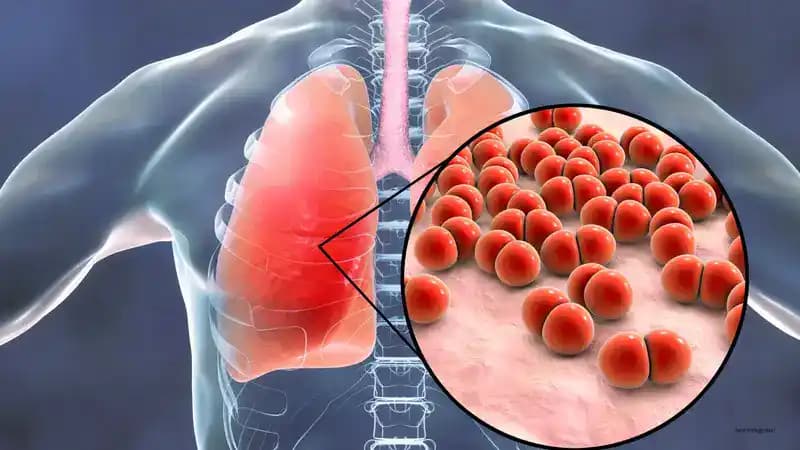
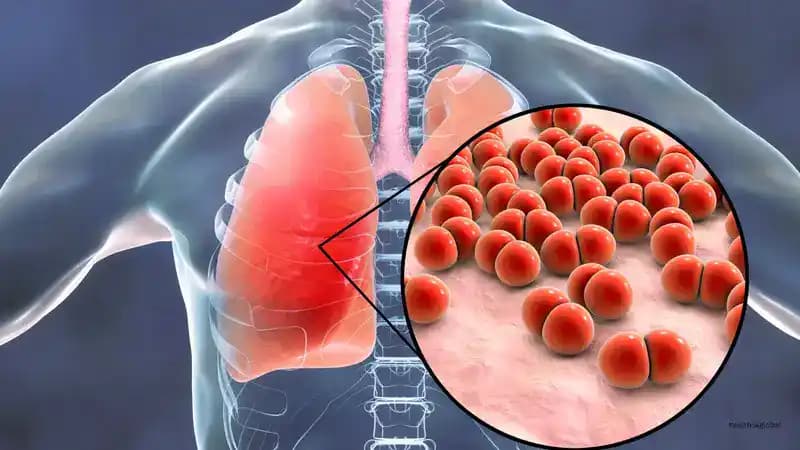
Secondary bacterial pneumonia is a significant complication, particularly in the elderly and those with underlying health conditions.
1. Pneumonia:
Influenza can exacerbate chronic diseases such as asthma, diabetes, and heart disease, requiring careful management.
2. Worsening of Chronic Conditions:
Severe muscle inflammation and breakdown can occur, leading to kidney damage and requiring immediate medical care.
3. Myositis and Rhabdomyolysis:
Conclusion
H3N2 influenza is a serious respiratory illness that can cause significant discomfort and complications, particularly in vulnerable populations. Recognizing the symptoms, seeking prompt medical care, and following appropriate treatment and prevention strategies are essential for managing the infection effectively. By staying informed and vigilant, individuals can protect themselves and others from the impact of H3N2 influenza, ensuring a healthier and safer flu season.







Comments (0)