
Introduction
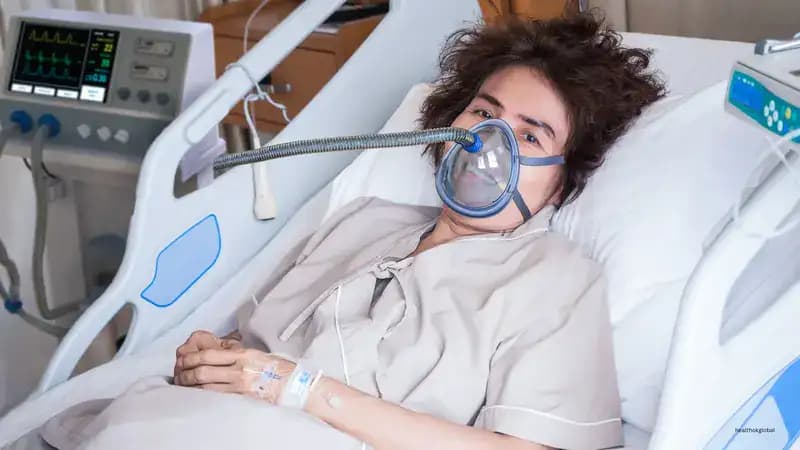
Patients on ventilators require meticulous and compassionate care to ensure their well-being and recovery. Ventilators are life-saving devices that assist patients in breathing when they are unable to do so independently due to severe illnesses or injuries. This comprehensive guide provides essential information on the care of patients on ventilators, covering various aspects such as understanding ventilators, monitoring and managing patients, preventing complications, and providing emotional support.
Understanding Ventilators
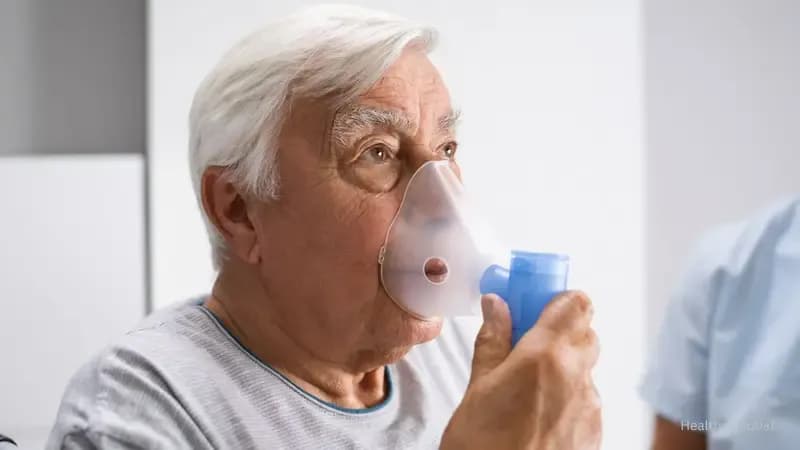
A ventilator is a medical device that helps patients breathe by delivering oxygen into the lungs and removing carbon dioxide from the body. It is commonly used in intensive care units (ICUs) for patients with respiratory failure, severe pneumonia, chronic obstructive pulmonary disease (COPD), or during surgery. Ventilators can be invasive (mechanical ventilation through a tube inserted into the windpipe) or non-invasive (using a mask or nasal prongs).
Monitoring Patients on Ventilators
Monitoring is crucial for patients on ventilators to ensure their safety and detect any complications early. Key parameters to monitor include:
Continuous monitoring of oxygen levels in the blood using a pulse oximeter to ensure adequate oxygenation.
1. Oxygen Saturation
Regularly checking the patient's breathing rate to detect any irregularities.
2. Respiratory Rate
Monitoring blood pressure to assess cardiovascular stability.
3. Blood Pressure
Periodic measurement of arterial blood gases (ABGs) to evaluate oxygen and carbon dioxide levels and acid-base balance.
4. Arterial Blood Gases
Ensuring ventilator settings are appropriate and making necessary adjustments based on the patient's condition.
5. Ventilator Settings
Managing Patients on Ventilators
Effective management involves a multidisciplinary approach, including medical, nursing, and respiratory therapy. Key aspects of patient management include:
Regularly changing the patient's position to prevent pressure ulcers and improve lung function.
1. Positioning
Performing suctioning to remove secretions from the airway and prevent blockages.
2. Suctioning
Ensuring the air delivered by the ventilator is adequately humidified to prevent drying of the respiratory tract.
3. Humidification
Providing appropriate nutritional support, either orally or through feeding tubes, to maintain the patient's energy and strength.
4. Nutritional Support
Implementing strict infection control measures to prevent ventilator-associated infections, such as regular hand hygiene and using aseptic techniques.
5. Infection Control
Preventing Complications
Preventing complications is a critical aspect of caring for patients on ventilators. Common complications and their prevention strategies include:
Prevent VAP by maintaining oral hygiene, elevating the head of the bed, and using subglottic suctioning.
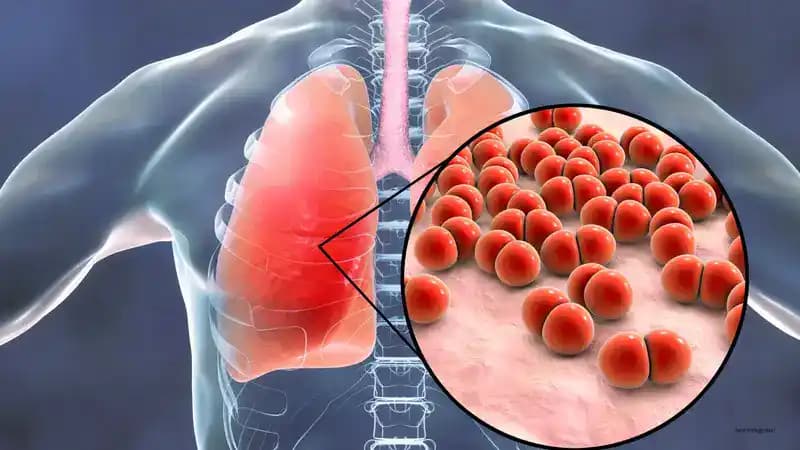
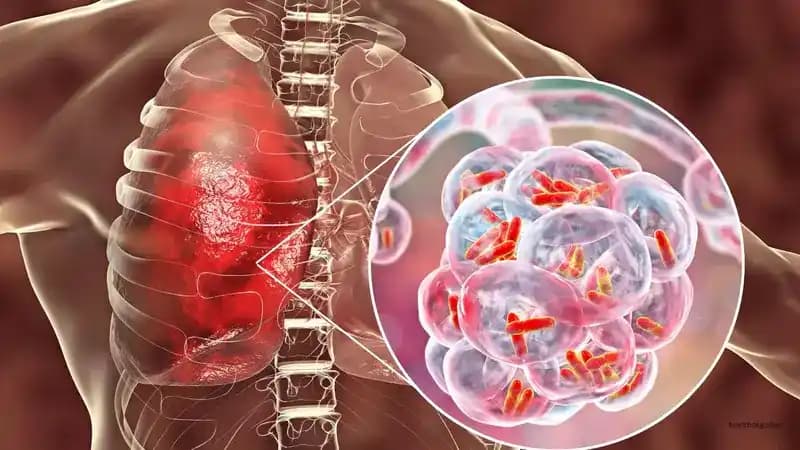
1. Ventilator-Associated Pneumonia (VAP)
Avoid barotrauma by carefully monitoring and adjusting ventilator pressures to prevent lung injury.
2. Barotrauma
Regularly assessing the patient's sedation level to avoid oversedation or undersedation, which can lead to complications.
3. Sedation Management
Prevent pressure ulcers by regularly repositioning the patient and using pressure-relieving devices.
4. Pressure Ulcers
Implement measures such as anticoagulant therapy, compression stockings, and regular mobilization to prevent DVT.
5. Deep Vein Thrombosis (DVT)
Providing Emotional Support
Patients on ventilators may experience anxiety, fear, and depression. Providing emotional support is vital for their overall well-being. Key strategies include:
Maintaining open and empathetic communication with the patient and their family to address concerns and provide reassurance.
1. Communication
Offering psychological support through counseling, relaxation techniques, and involving mental health professionals when necessary.
2. Psychological Support
Encouraging family involvement in the patient's care to provide emotional comfort and support.
3. Family Involvement
Providing access to spiritual care or religious support for patients who find comfort in their faith.
4. Spiritual Care
Transitioning off the Ventilator
Weaning patients off the ventilator is a gradual process that requires careful monitoring and assessment. Steps involved in transitioning include:
Regularly assessing the patient's readiness for weaning based on respiratory parameters, muscle strength, and overall health.
1. Assessment
Gradually reducing ventilator support while monitoring the patient's response and adjusting as needed.
2. Gradual Reduction
Conducting trial periods of spontaneous breathing to evaluate the patient's ability to breathe independently.
3. Trial Periods
Providing supportive care during weaning, such as respiratory therapy, to facilitate the transition.
4. Supportive Care
Continuing to monitor and support the patient after weaning to ensure stability and address any complications.
5. Post-Weaning Care
Conclusion
Caring for patients on ventilators requires a comprehensive approach that encompasses monitoring, management, prevention of complications, and emotional support. By adhering to best practices and maintaining a multidisciplinary approach, healthcare providers can ensure the safety and well-being of patients on ventilators, promoting their recovery and improving their quality of life. This guide serves as a valuable resource for healthcare professionals and caregivers involved in the care of ventilated patients.
About Zocvi
Zocvi connects patients with verified doctors and evidence-based health guidance. Visit zocvi.com or reach us on WhatsApp at +91-92724-57637.






Comments (0)