
Introduction
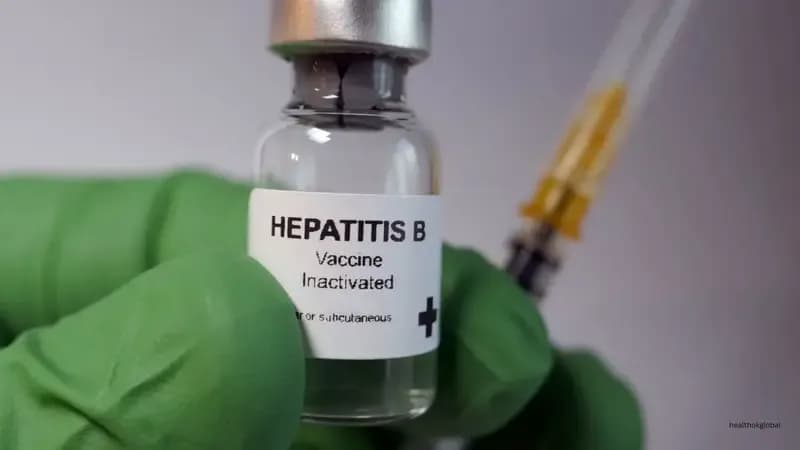
The hepatitis vaccine is essential for protecting adults against hepatitis A and B infections. Hepatitis is a viral infection that affects the liver and can lead to serious health complications. Vaccination is the most effective way to prevent hepatitis and its associated risks. This comprehensive guide provides detailed information on the recommended hepatitis vaccine doses for adults, including guidelines for hepatitis A and B vaccines.
Understanding Hepatitis
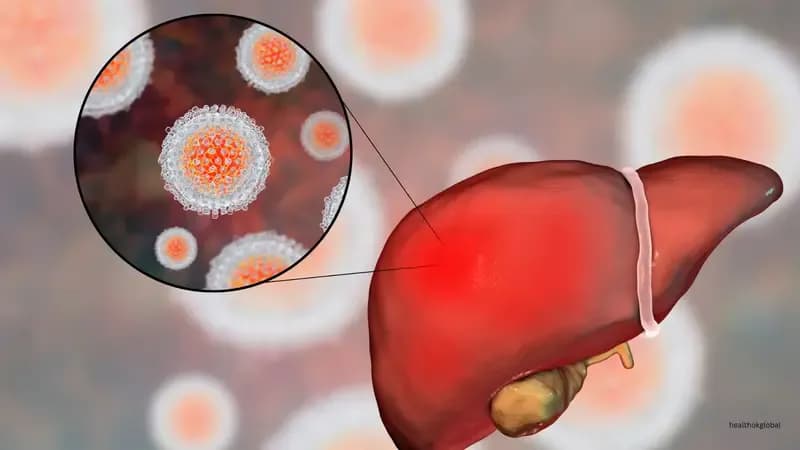
Hepatitis is an inflammation of the liver caused by viral infections. The most common types of hepatitis viruses are hepatitis A, B, and C. Hepatitis A and B can be prevented through vaccination. Hepatitis A is typically transmitted through contaminated food and water, while hepatitis B is spread through contact with infected blood and body fluids. Both types can cause acute and chronic liver disease, making vaccination crucial for prevention.
Hepatitis A Vaccine
The hepatitis A vaccine is recommended for adults who are at risk of infection or wish to be protected from the virus. The vaccine is given in two doses, six months apart. Key points about the hepatitis A vaccine include:
Adults who travel to areas with high hepatitis A rates, have chronic liver disease, use recreational drugs, or work in environments where hepatitis A exposure is possible should receive the vaccine.
1. Who Should Get Vaccinated?
The hepatitis A vaccine is administered in two doses. The first dose provides initial protection, and the second dose, given six months later, ensures long-term immunity.
2. Vaccine Schedule
Common side effects include soreness at the injection site, headache, and fatigue. Serious side effects are rare.
3. Side Effects
Hepatitis B Vaccine
The hepatitis B vaccine is recommended for all adults who have not been previously vaccinated. The vaccine is given in a series of three or four doses, depending on the specific vaccine used. Key points about the hepatitis B vaccine include:
Adults who are at risk of hepatitis B infection, including healthcare workers, individuals with chronic liver disease, and those with multiple sexual partners, should receive the vaccine.
1. Who Should Get Vaccinated?
The standard hepatitis B vaccine schedule involves three doses: the first dose, the second dose one month later, and the third dose six months after the first dose. Some vaccines may require a four-dose schedule.
2. Vaccine Schedule
Common side effects include soreness at the injection site, mild fever, and fatigue. Severe side effects are rare.
3. Side Effects
Combination Hepatitis A and B Vaccine
A combination vaccine that protects against both hepatitis A and B is available for adults who need protection against both viruses. The combination vaccine is administered in a series of three doses over six months.
The combination vaccine is given in three doses: the first dose, the second dose one month later, and the third dose six months after the first dose.
1. Vaccine Schedule
Adults who are at risk of both hepatitis A and B infections, such as travelers to endemic areas, healthcare workers, and individuals with chronic liver disease, should consider the combination vaccine.
2. Who Should Get Vaccinated?
The combination vaccine has similar side effects to the individual hepatitis A and B vaccines, including soreness at the injection site and mild fever.
3. Side Effects
Importance of Completing the Vaccine Series
Completing the full vaccine series is crucial for ensuring long-term protection against hepatitis A and B. Missing doses or not completing the series can result in inadequate immunity and increased risk of infection. Adults should follow the recommended vaccine schedule and consult with their healthcare provider if they miss a dose to determine the best course of action.
Monitoring and Boosters
Routine monitoring of antibody levels is not typically required for most vaccinated individuals. However, certain high-risk groups, such as healthcare workers, may need periodic testing to ensure continued immunity. In some cases, booster doses may be recommended if antibody levels decline over time.
Boosters are generally not needed for healthy adults who complete the vaccine series. However, individuals with weakened immune systems or those at high risk of exposure may need additional doses.
1. Who Needs Boosters?
High-risk individuals may undergo periodic testing to ensure they maintain protective antibody levels. If levels are low, a booster dose may be recommended.
2. Monitoring Antibody Levels
Conclusion
The hepatitis vaccine is a crucial tool for preventing hepatitis A and B infections in adults. By following the recommended vaccine schedules and completing the full series, adults can achieve long-term immunity and reduce their risk of serious liver disease. Consultation with healthcare providers, adherence to vaccination guidelines, and awareness of the importance of boosters for high-risk groups are essential for effective hepatitis prevention.
About Zocvi
Zocvi connects patients with verified doctors and evidence-based health guidance. Visit zocvi.com or reach us on WhatsApp at +91-92724-57637.









Comments (0)