Health with Sakal: ६ महिन्यांपर्यंतच्या बाळाला कुठल्या लसी दिल्याच पाहिजेत? | Dr. Mahesh Sulakshane


COVID-19 & Respiratory Infections covers ongoing COVID variants, long COVID, influenza, RSV, and pneumonia. Our doctors and editorial team explain what current vaccination recommendations look like for India, when antiviral treatment is appropriate, how to manage at home, and what symptoms genuinely warrant escalation to a hospital.
Last reviewed: 10 August 2026



Can a respiratory system-attacking virus-like COVID lead to heart attacks? Let's understand the connection between the two from the experts.

Understand everything about the HPV vaccine — from its benefits and dosing schedule to side effects, pricing in India, and availability in government hospitals.
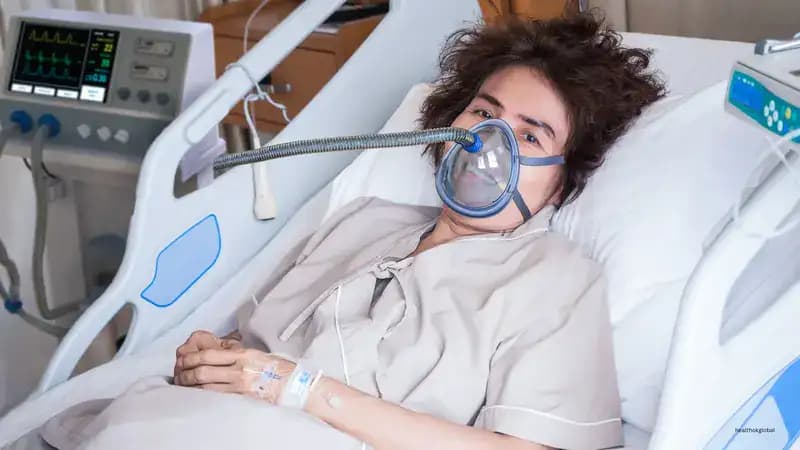
Patients on ventilators require meticulous and compassionate care to ensure their well-being and recovery.

Pneumonia is a respiratory condition characterized by the inflammation of the air sacs in one or both lungs, which can fill with fluid or pus.
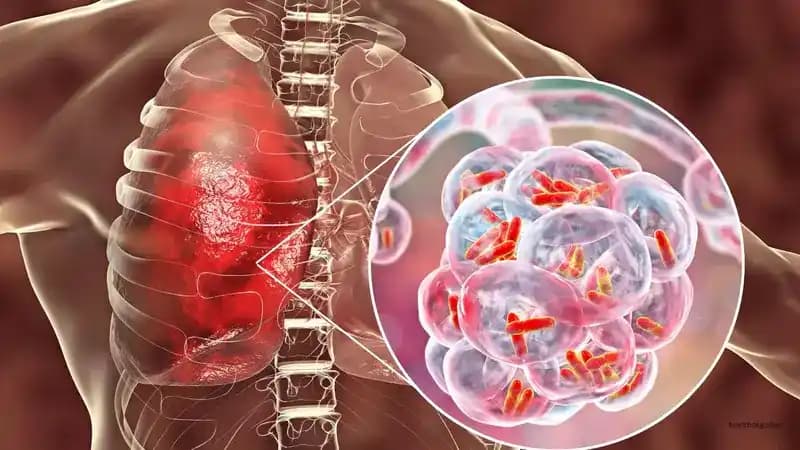
A nursing diagnosis for pneumonia involves a comprehensive assessment of the patient's condition and the development of a tailored care plan.
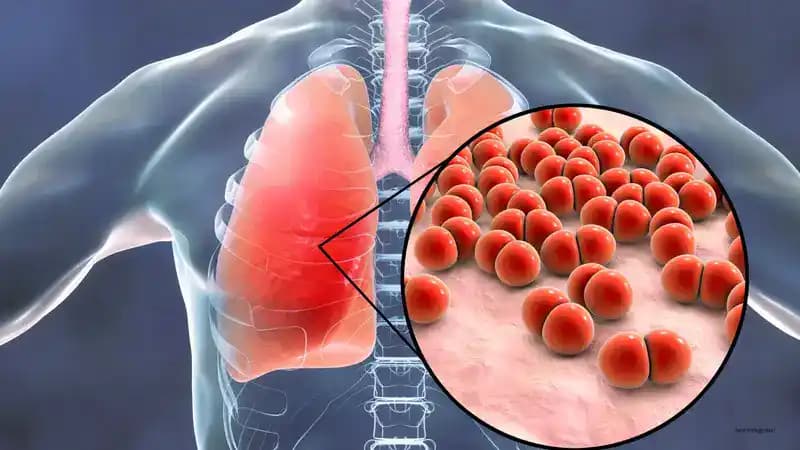
Developing an effective nursing care plan for patients with pneumonia involves thorough assessment, diagnosis, and intervention. This guide provides essential information on creating and implementing a nursing care plan for pneumonia.
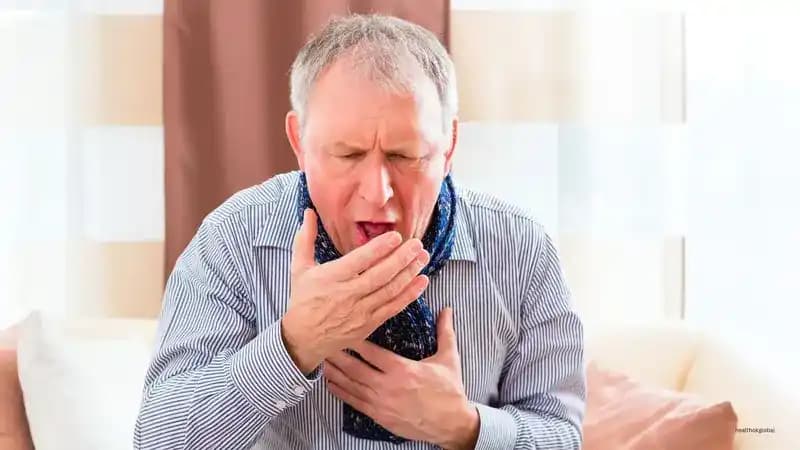
Developing an effective nursing care plan for patients with a cough involves thorough assessment, diagnosis, and intervention. This guide provides essential information on creating and implementing a nursing care plan for cough.
Shingles, also known as herpes zoster, is a viral infection that causes a painful rash and can lead to severe complications if left untreated.
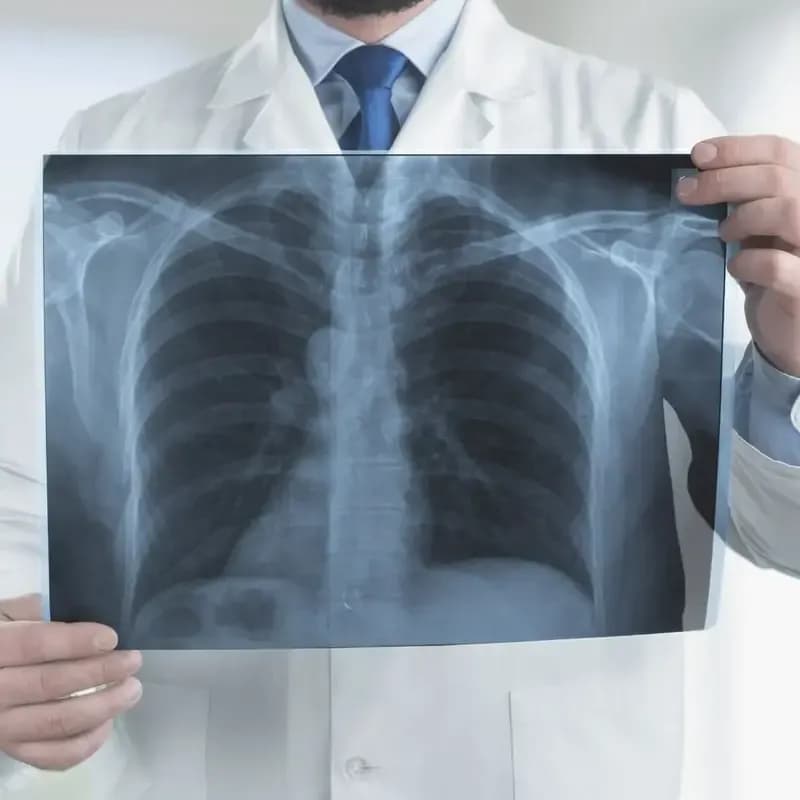
Cystic fibrosis (CF) is a severe autosomal recessive genetic condition impacting the respiratory and digestive systems, caused by mutations in the CFTR gene.
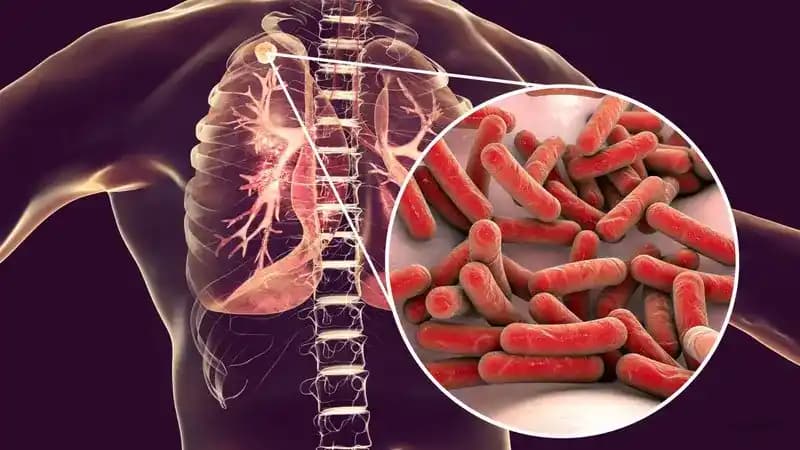
TB progresses through three distinct stages, primary infection, latent TB (dormant, non-contagious), and active disease. Understanding how the bacteria evade the immune system and where treatment fits in each stage matters for anyone in India where TB remains highly prevalent.
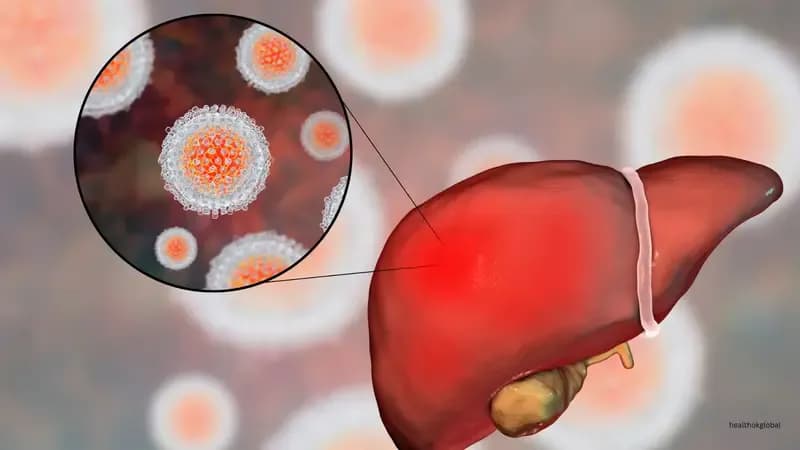
Hepatitis B post exposure prophylaxis (PEP) involves a series of interventions to prevent infection after potential exposure to the hepatitis B virus (HBV).
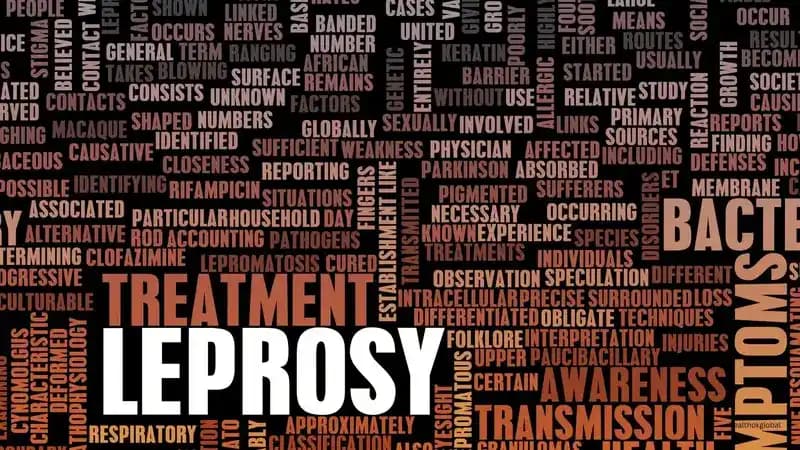
Two classification systems clinicians use for leprosy: WHO's simple paucibacillary vs multibacillary split (used for treatment decisions) and the more detailed Ridley-Jopling five-type system (used for prognosis and research). Here is what each type looks like clinically and why classification matters.
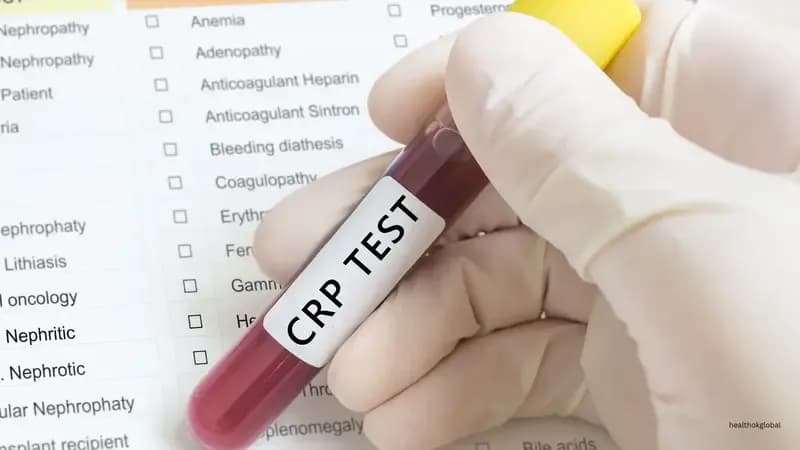
C-reactive protein (CRP) is an important biomarker in the diagnosis and management of COVID pneumonia.
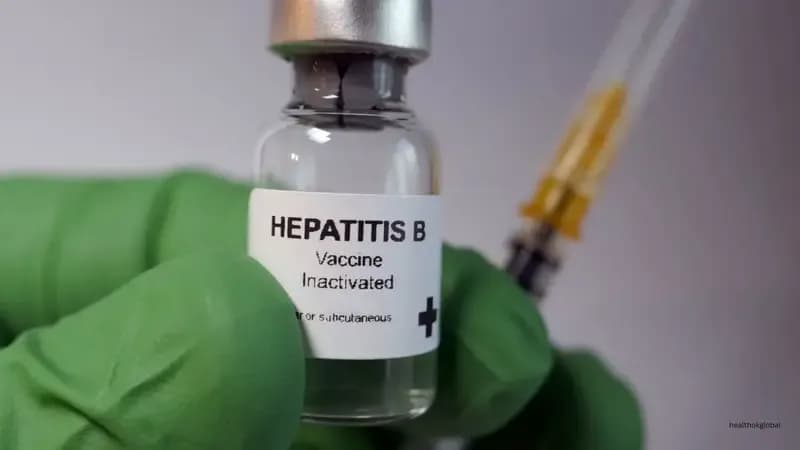
The hepatitis vaccine is essential for protecting adults against hepatitis A and B infections.
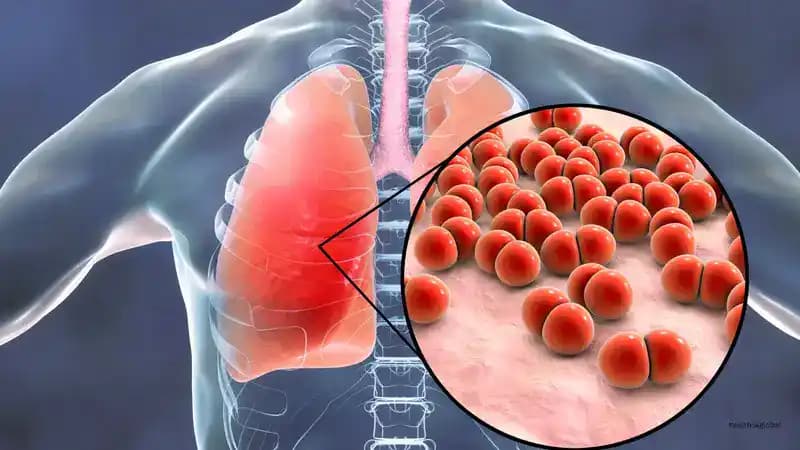
The pathogenesis of pneumonia involves the invasion of lung tissue by infectious agents, leading to inflammation and impaired gas exchange.
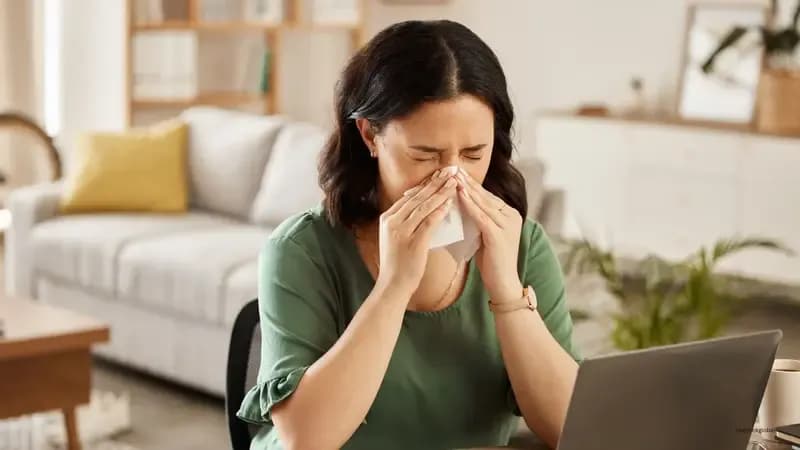
Viral fever is a common illness caused by viral infections, leading to symptoms such as high temperature, body aches, and fatigue.

H3N2 is a subtype of the influenza A virus and is one of the primary strains responsible for seasonal flu outbreaks.

The Pneumococcal Conjugate Vaccine (PCV) is a critical immunization used to protect against infections caused by Streptococcus pneumoniae bacteria.
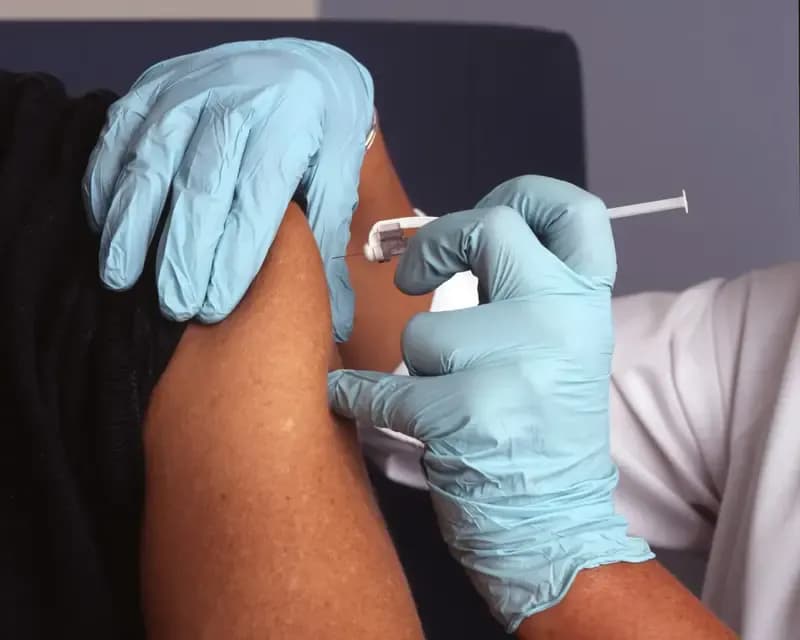
Cervical cancer is a significant health concern for women globally, including in India. Fortunately, the availability of the cervical cancer vaccine has provided a crucial tool in the fight against this disease.
Verified specialists across India
COVID overlaps heavily with flu and colds — fever, cough, tiredness, body aches, sore throat. Loss of taste or smell is more distinctive to COVID. Only a test can confirm which virus is causing symptoms. The main practical difference: COVID has caused more severe illness in older adults and people with chronic conditions, and can lead to longer-lasting fatigue (long COVID) even after mild infection.
Yes, especially if you'll be around older adults, pregnant women, or people with weak immunity — knowing lets you avoid spreading. Testing also matters if symptoms are severe enough that antiviral treatment might help (which needs to start early). Home rapid tests are widely available; PCR tests are more accurate. If you test positive, isolate as advised and monitor for worsening symptoms.
Long COVID is symptoms lasting more than 12 weeks after infection — commonly fatigue, brain fog, breathlessness, palpitations, and sleep problems. It can happen after even mild initial illness. Treatment is symptomatic and often multi-disciplinary (physiotherapy, pacing, mental health support, sometimes specific medications for individual symptoms). Long COVID clinics exist in major cities. Most people gradually improve over months but a subset have prolonged symptoms.
Keep their vaccinations current (annual flu, COVID boosters, pneumococcal). Wash hands before visiting, especially with a cough or cold. Skip in-person visits when you or family members are actively ill. Improve ventilation at home. Get help with chronic conditions well-controlled — diabetes and heart disease worsen respiratory infection outcomes. Have a plan for who takes them to hospital if needed.
Difficulty breathing at rest, chest pain, confusion, blue lips or fingertips, inability to keep fluids down, oxygen saturation below 94% on a home pulse oximeter, or fever that's very high or lasting more than a few days. In children, look for fast breathing, chest indrawing, or refusal to feed. Don't wait — respiratory illness can worsen fast, especially in older adults.
Ask our medical community. Your question may help others with similar concerns.
No questions yet. Be the first to ask!