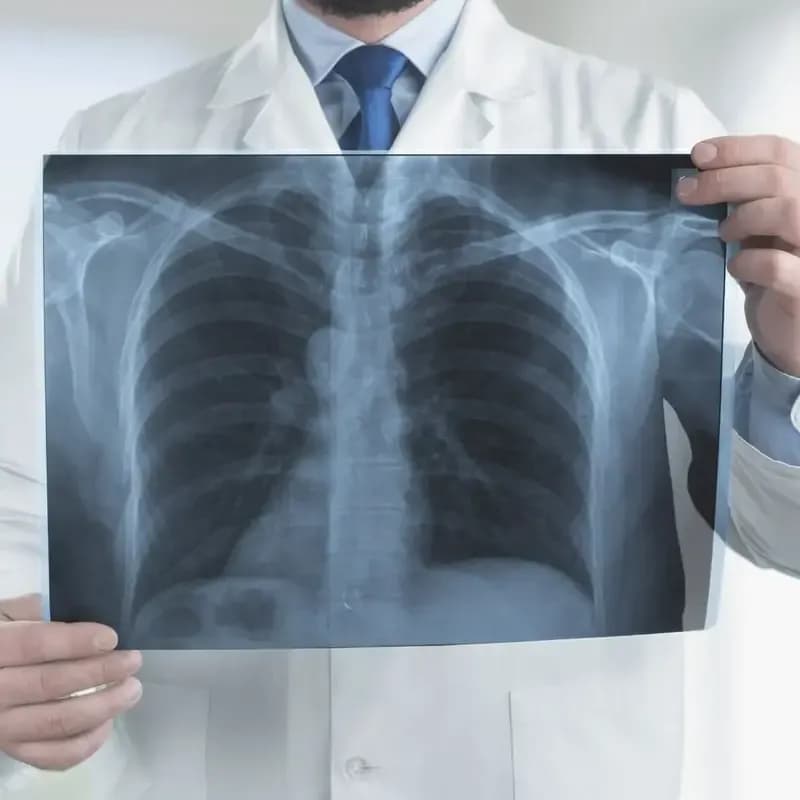
Cystic Fibrosis Autosomal Recessive: Causes, Symptoms, and Genetic Understanding

Cystic Fibrosis Autosomal Recessive: Causes, Symptoms, and Genetic Understanding

Overview

Cystic fibrosis (CF) is a severe autosomal recessive genetic condition impacting the respiratory and digestive systems, caused by mutations in the CFTR gene.

Introduction

Cystic fibrosis (CF) is a severe genetic condition caused by mutations in the CFTR gene, leading to the production of thick, sticky mucus that primarily affects the lungs and digestive system. This autosomal recessive disorder requires two defective CFTR genes, inherited from both parents, for the condition to manifest. With advancements in medical care, the understanding and management of CF have improved, offering better quality of life for patients.

Genetics of Cystic Fibrosis

CF is inherited in an autosomal recessive pattern, meaning a child must inherit one defective CFTR gene from each parent to develop the disease. If both parents are carriers, there is a 25% chance of the child being affected, a 50% chance of being a carrier, and a 25% chance of not inheriting the mutation. Carrier screening and genetic counseling are vital for families with a history of CF.

CFTR Gene Mutations

The CFTR gene mutation disrupts the transport of chloride ions in cells, leading to thick mucus accumulation. The ΔF508 mutation is the most common, present in about 70% of CF cases globally. Over 2,000 mutations have been identified, with variations influencing disease severity, organ involvement, and response to specific treatments. Genetic testing is essential for understanding individual cases.

Clinical Manifestations of Cystic Fibrosis

CF symptoms vary in severity but typically include chronic cough, frequent lung infections, and digestive issues such as malabsorption and poor weight gain. Other complications include infertility in males, sinus infections, and liver disease. Early diagnosis and intervention are critical in managing these manifestations and improving patient outcomes.

Diagnosis of Cystic Fibrosis

Diagnosis often begins with newborn screening, which tests for elevated immunoreactive trypsinogen (IRT) levels. Genetic testing identifies CFTR mutations, while sweat tests confirm the diagnosis by measuring chloride levels in sweat. A multidisciplinary team evaluates respiratory and digestive health to assess disease impact comprehensively.

Management and Treatment

Treatment focuses on managing symptoms and improving quality of life. Key approaches include airway clearance therapies, inhaled medications (e.g., bronchodilators, mucolytics), enzyme replacement therapy for digestion, and antibiotics for lung infections. CFTR modulator therapies, such as ivacaftor and lumacaftor, target the underlying genetic defect and have revolutionized CF management.

Prognosis and Outlook

The life expectancy of individuals with CF has significantly improved, with many living into their 40s or longer. Early diagnosis, personalized treatment plans, and advancements in CFTR modulator therapies have contributed to better outcomes. Research continues to focus on gene editing and innovative treatments, offering hope for future breakthroughs.

Conclusion

Cystic fibrosis autosomal recessive inheritance highlights the importance of genetic awareness and research. Advances in treatment, such as CFTR modulators, have dramatically improved patient outcomes. Comprehensive care, early intervention, and continued innovation are essential for managing CF and enhancing the quality of life for affected individuals.

Dedicated Elderly Support by Zocvi

Zocvi offers comprehensive elderly care services to ensure the dignity and safety of seniors. Our expert caregivers provide personalized support, from routine health checks to emotional well-being assistance. Contact our FREE 24 x 7 Healthcare Helpline at +91-92724-57637 for immediate support and assistance.


Follow Zocvi

Stay connected with Zocvi for expert health advice. Follow us on Facebook, LinkedIn, and Instagram.

Frequently Asked Questions

My child was diagnosed with cystic fibrosis — does that mean both my husband and I are carriers?

Yes — if your child has confirmed CF, both of you must be CFTR mutation carriers. CF follows strict autosomal recessive inheritance: the child needs one defective CFTR gene from each parent. Neither of you would have CF yourselves (carriers have one normal gene that compensates), and most carriers are completely healthy with no symptoms. Here's the probability breakdown if both parents are carriers: 25% chance each pregnancy produces a child with CF (two defective copies); 50% chance of a carrier child (one defective copy — healthy like you); 25% chance of a non-carrier child. For future pregnancies, prenatal genetic testing is available: chorionic villus sampling (CVS) at 10–12 weeks or amniocentesis at 15–20 weeks can test the fetus for CFTR mutations. In India, CF genetic testing (CFTR mutation panel) is available at specialized genetics labs — Medgenome, MedScan (Hyderabad), and academic centres like PGIMER Chandigarh have CF genetics expertise. Cost is approximately ₹5,000–15,000 depending on the panel size. If you're planning another pregnancy, a genetic counsellor can walk through your specific mutations and reproductive options.

How is CF diagnosed — what is the sweat test and how accurate is it?

The sweat test (pilocarpine iontophoresis) is the gold standard for CF diagnosis. In CF, the defective CFTR protein cannot properly regulate chloride channels in sweat gland cells — so sweat contains abnormally high chloride levels. The test: a small electric current stimulates sweat production at the wrist or forearm; sweat is collected on gauze for 30 minutes; chloride level is measured. Results: normal <30 mmol/L; borderline 30–59 mmol/L; positive for CF ≥60 mmol/L. Accuracy is high — sensitivity and specificity both above 95% when properly performed. Where it fits in the diagnostic pathway: Newborn screening in India (where available) detects elevated blood immunoreactive trypsinogen (IRT) — a flag, not a diagnosis. Sweat test then confirms. Genetic testing identifies the specific CFTR mutations, which matters for treatment (some CFTR modulators only work on specific mutation classes). In India, newborn screening is available in many private hospitals and some state government programmes (Tamil Nadu, Maharashtra have expanded screening). Sweat testing is available at paediatric tertiary centres — AIIMS Delhi, Manipal, Christian Medical College Vellore, Rainbow Hospital Hyderabad. CF is underdiagnosed in India — many children are diagnosed years after symptom onset because TB or recurrent pneumonia is initially suspected instead.

What are CFTR modulator therapies — have they actually changed outcomes for CF patients?

Yes, dramatically — they represent the first treatments that address the underlying CFTR protein defect rather than managing consequences. How they work: the CFTR protein is a chloride channel. Modulators are small molecules that correct the defective protein. Different mutation classes need different approaches: 'Potentiators' (ivacaftor/Kalydeco) open CFTR channels that are at the cell surface but not functioning — works best for gating mutations like G551D. 'Correctors' (lumacaftor, tezacaftor) help misfolded ΔF508 protein reach the cell surface. Triple combination therapy (elexacaftor/tezacaftor/ivacaftor — Trikafta/Kaftrio) addresses ΔF508 (70% of CF patients) and achieved what was once thought impossible: FEV1 improvements of 14 percentage points, 63% reduction in exacerbations, and — most remarkably — normalisation of sweat chloride in some patients. Life expectancy for children born with CF today, who have access to modulators, is projected to exceed 70 years. In India: Trikafta is not yet CDSCO-approved as of 2025, but patients have accessed it via compassionate use programmes and import. Cost is approximately USD 300,000/year in the US (Vertex Pharmaceuticals offers a managed access programme for low-income countries). Advocate through the Indian CF Foundation (CFFI) for access.

What do I actually need to do every day to manage CF?

CF management is genuinely intensive — it's a condition where daily adherence makes an enormous difference to long-term lung function. The typical daily routine for a CF patient includes: (1) Airway clearance therapy: 20–30 minutes twice daily using chest physiotherapy, active cycle of breathing techniques (ACBT), or a high-frequency chest oscillation vest (Vest therapy device). Airway clearance loosens and moves mucus from the airways before it causes obstruction or infection. This is non-negotiable — skipping it accelerates lung decline. (2) Nebulised medications: in order — hypertonic saline (loosens mucus), then dornase alfa/Pulmozyme if prescribed (breaks down mucus DNA), then bronchodilator, then inhaled antibiotic (tobramycin, aztreonam in alternating months if chronically colonised with Pseudomonas). (3) Pancreatic enzyme replacement (PERT): capsules with every meal and snack. CF mucus blocks pancreatic ducts, preventing enzyme release — without PERT, fat and protein aren't absorbed, causing malnutrition. (4) High-calorie diet: CF patients need 120–150% of normal caloric intake because energy is consumed by the increased work of breathing and chronic infections. Dietitian input is essential. (5) Monitoring: regular sputum cultures (quarterly), lung function (6-monthly), liver ultrasound (annual), blood glucose (CF-related diabetes develops in 30–50% of CF patients by adulthood). CF centres (multidisciplinary teams with pulmonologist, physiotherapist, dietitian, CF nurse, and genetic counsellor) consistently achieve better outcomes than general paediatric care — seek CF centre registration where possible.

Questions About This Article

Have a question? Ask the author directly.

Have a question about this article?

Ask Zocvi Editorial directly. Your question may help others with similar concerns.

Q:1 answer
Q:1 answer
Q:1 answer
Q:1 answer

Comments (0)

Found this helpful? Share it!

LinkedInWhatsApp

More from Zocvi Editorial

Other Articles You May Like

Dr. Mahesh Sulakshane

Paediatrician • 22 yrs • Pune

61 views

Formula Feeding (बाळाला पावडरचे दूध पाजताना काय काळजी घ्यायची?)

Formula Feeding (बाळाला पावडरचे  दूध पाजताना काय काळजी घ्यायची?)

पावडरच दूध बाळाला कोणत्या परिस्थितीत दिल जात ? Formula Feeding ते देण्याची पद्धत, प्रमाण, ते पाजताना घ्यायची काळजी (What is Formula Feeding ) याबाबत सविस्त...

Find a Doctor for Common Childhood Illnesses

Verified specialists across India

Dr. Rajan Bhargava

ENT Specialist

30 yrs

Kanpur

Dr. Rajan Bhargava Clinic
Brahm Nagar, Kanpur, Uttar Pradesh, 208012
₹700 consultation

Dr. Goutham MK Ajila

ENT Specialist

9 yrs

Mangaluru

Sparsha Medical Centre
Kankanady, Mangaluru, Karnataka, 575002
₹400 consultation

Dr. Kuldeep Moras

ENT Specialist

25 yrs

Mangaluru

Dr. Kuldeep Moras ENT Clinic
Mallikatte, Mangaluru, Karnataka, 575002
₹300 consultation

Dr. Ravindra Bansal

ENT Specialist

20 yrs

Gwalior

Satyam ENT Care Centre, Semal Hospital
Ravi Nagar, Gwalior, Madhya Pradesh, 474002
₹500 consultation