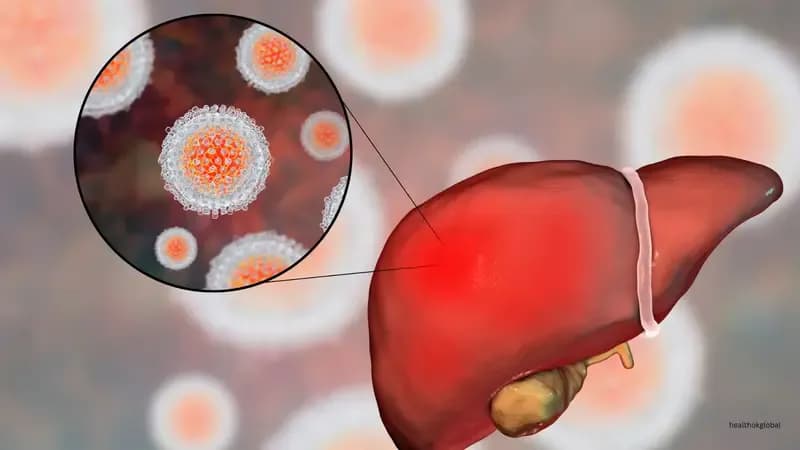
Comprehensive Guide to Hepatitis B Post Exposure Prophylaxis

Comprehensive Guide to Hepatitis B Post Exposure Prophylaxis

Overview

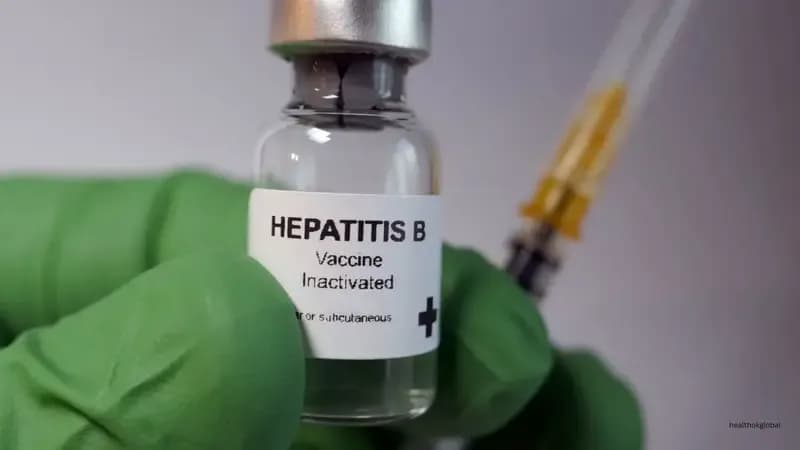
Hepatitis B post exposure prophylaxis (PEP) involves a series of interventions to prevent infection after potential exposure to the hepatitis B virus (HBV).

Introduction

Hepatitis B post exposure prophylaxis (PEP) involves a series of interventions to prevent infection after potential exposure to the hepatitis B virus (HBV). HBV is a highly infectious virus that can cause both acute and chronic liver disease. Understanding the guidelines and strategies for PEP is crucial for healthcare providers and individuals at risk. This comprehensive guide covers the essential aspects of hepatitis B PEP, including the importance of timely intervention, recommended protocols, and prevention strategies.

Understanding Hepatitis B

Hepatitis B is a viral infection that affects the liver. It is caused by the hepatitis B virus (HBV) and is transmitted through contact with infectious body fluids, such as blood, semen, and vaginal secretions. HBV can cause acute hepatitis, which can resolve on its own, or it can lead to chronic hepatitis, which increases the risk of liver cirrhosis and liver cancer.

Risk Factors for Hepatitis B Exposure

Certain factors increase the risk of exposure to HBV, including:
Healthcare workers and emergency responders are at risk of exposure to HBV through needlestick injuries and contact with infected blood.

1. Occupational Exposure

Having unprotected sex with an infected partner increases the risk of HBV transmission.

2. Unprotected Sexual Contact

Sharing needles or other drug paraphernalia with an infected person can lead to HBV infection.

3. Sharing Needles

Babies born to HBV-infected mothers are at high risk of infection during childbirth.

4. Perinatal Transmission

Importance of Post Exposure Prophylaxis

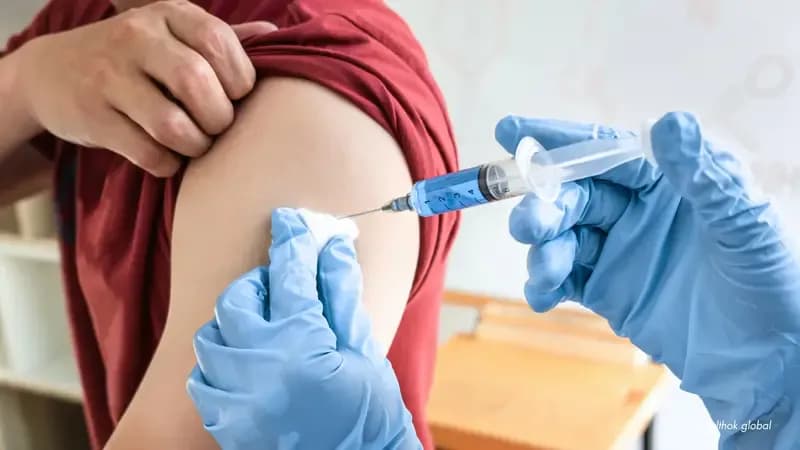
PEP is critical in preventing HBV infection after potential exposure. Timely intervention can significantly reduce the risk of developing acute or chronic hepatitis B. PEP involves the administration of hepatitis B vaccine and, in some cases, hepatitis B immunoglobulin (HBIG) to provide immediate protection.

Recommended Protocols for Hepatitis B PEP

The recommended PEP protocols for hepatitis B depend on the vaccination status of the exposed individual and the source of exposure:
Individuals who have not been vaccinated against hepatitis B should receive a dose of HBIG and start the hepatitis B vaccine series as soon as possible after exposure.

1. Unvaccinated Individuals

Individuals who have started but not completed the hepatitis B vaccine series should receive HBIG and complete the remaining doses of the vaccine series.

2. Partially Vaccinated Individuals

Individuals who have completed the hepatitis B vaccine series should receive a booster dose of the vaccine if the source is known to be HBsAg-positive.

3. Fully Vaccinated Individuals

Administration of HBIG

HBIG provides passive immunity and is administered intramuscularly. It should be given as soon as possible after exposure, preferably within 24 hours, but no later than 7 days.

Hepatitis B Vaccine Series

The hepatitis B vaccine series consists of three doses given over a period of six months. The schedule is as follows:
Administered as soon as possible after exposure.

1. First Dose

Given one month after the first dose.

2. Second Dose

Given six months after the first dose.

3. Third Dose

Monitoring and Follow-Up

Individuals who receive PEP should be monitored for serologic response to the vaccine. Follow-up testing is recommended to ensure the development of protective antibodies. This includes measuring anti-HBs levels one to two months after the completion of the vaccine series.

Prevention Strategies for Hepatitis B

In addition to PEP, several strategies can help prevent HBV infection:
Universal hepatitis B vaccination is recommended for all infants, children, and at-risk adults.

1. Vaccination

Avoid sharing needles and ensure the use of sterile equipment for injections.

2. Safe Injection Practices

Use condoms and reduce the number of sexual partners to lower the risk of HBV transmission.

3. Safe Sex Practices

Healthcare workers should follow standard precautions to prevent needlestick injuries and exposure to infectious body fluids.

4. Occupational Safety

Conclusion

Hepatitis B post exposure prophylaxis is a critical intervention for preventing HBV infection after potential exposure. Timely administration of HBIG and the hepatitis B vaccine can significantly reduce the risk of developing acute or chronic hepatitis B. By following recommended protocols and preventive strategies, healthcare providers and individuals can effectively manage the risk of HBV infection and ensure better health outcomes.

About Zocvi

Zocvi connects patients with verified doctors and evidence-based health guidance. Visit zocvi.com or reach us on WhatsApp at +91-92724-57637.


Frequently Asked Questions

What should I do after being exposed to hepatitis B?

Get to a hospital or clinic immediately — post-exposure treatment works best within 24 hours and must start within 7 days. If you've had a needlestick injury, unprotected sex with a known hepatitis B-positive partner, or any other significant exposure to blood or body fluids, wash the site with soap and water (do not squeeze or scrub), then go straight to an emergency department or occupational health service. The doctor will assess the exposure, test both you and (if possible) the source person, and decide what post-exposure prophylaxis (PEP) is needed based on your vaccination status. Delay reduces the chance PEP works — every hour matters, especially in the first 24. Don't wait for symptoms; hepatitis B often has no early signs but can still cause serious long-term liver damage.

What does hepatitis B PEP actually involve?

PEP combines two things — a shot of hepatitis B immunoglobulin (HBIG) for immediate protection, plus the hepatitis B vaccine to build long-term immunity. HBIG contains ready-made antibodies against hepatitis B and starts protecting within hours; it's given as an intramuscular injection, ideally within 24 hours of exposure and no later than 7 days. The hepatitis B vaccine is started at the same time (in a different arm) and follows the standard 3-dose schedule (0, 1 and 6 months). If you've already completed the full vaccine series and have documented immunity, you may need only a booster or nothing at all. If you're only partially vaccinated, you finish the remaining doses along with HBIG. Follow-up antibody testing 1–2 months after the last dose confirms whether you're protected.

Who is most likely to need hepatitis B PEP?

Healthcare workers after needlestick injuries, sexual partners of hepatitis B-positive people, and babies born to hepatitis B-positive mothers are the main groups. Nurses, doctors, dentists, lab technicians and cleaners in hospitals face regular occupational exposure risk — needlestick injuries are the most common trigger for PEP. People who share needles for drug use, or who have unprotected sex with a known hepatitis B carrier, also need PEP as soon as possible. Newborns of hepatitis B-positive mothers should get HBIG plus their first vaccine dose within 12 hours of birth — this reduces the mother-to-baby transmission risk from around 90% to under 10%. Anyone in doubt after a possible exposure should treat it as urgent and seek medical assessment; the cost of delayed PEP is chronic hepatitis, which is far harder to manage.

How well does hepatitis B PEP work?

PEP is highly effective when started early — around 85–95% protection against hepatitis B infection if HBIG and vaccine are given within 24 hours. Effectiveness drops the longer treatment is delayed, which is why it's treated as a medical emergency. The exact success rate depends on the type and severity of exposure, the source person's viral load, and the recipient's vaccination status. In healthcare-worker needlestick injuries, PEP prevents the vast majority of infections. For newborns of hepatitis B-positive mothers, timely PEP reduces mother-to-baby transmission risk substantially — from around 20–40% without intervention (rising higher when the mother is HBeAg-positive with high viral load) to under 5%. Follow-up testing at 6 months checks for antibody response and confirms no infection developed. Even in the small number of cases where PEP fails, early detection through follow-up allows prompt treatment and better long-term outcomes.

Questions About This Article

Have a question? Ask the author directly.

Have a question about this article?

Ask Zocvi Editorial directly. Your question may help others with similar concerns.

Q:1 answer
Q:1 answer
Q:1 answer
Q:1 answer

Comments (0)

Found this helpful? Share it!

LinkedInWhatsApp

More from Zocvi Editorial

Other Articles You May Like

Related Topics

Find a Doctor for Hepatitis & Liver Infections

Verified specialists across India

Dr. Pawan Rawal

Gastroenterologist

18 yrs

Gurugram

Medsarc Advanced Superspeciality Clinics
Medicity, Gurugram, Haryana, 122018
₹1700 consultation

Dr. Bhavesh Thakkar

Gastroenterologist

10 yrs

Ahmedabad

Marengo CIMS Hospital
Panchamrut Bunglows II, Ahmedabad, Gujarat, 380060
₹1500 consultation

Dr. Harneet Singh

Gastroenterologist

16 yrs

Chandigarh

Dr. Harneet Singh Gastroenterology, Liver Diseases & ENDOSCOPY Clinic
27A, Chandigarh, Chandigarh, 160019
₹600 consultation

Dr. Pabitra Sahu

Gastroenterologist

14 yrs

Ghaziabad

Max Super Speciality Hospital
Sector-1, Ghaziabad, Uttar Pradesh, 201010
Fee on request