
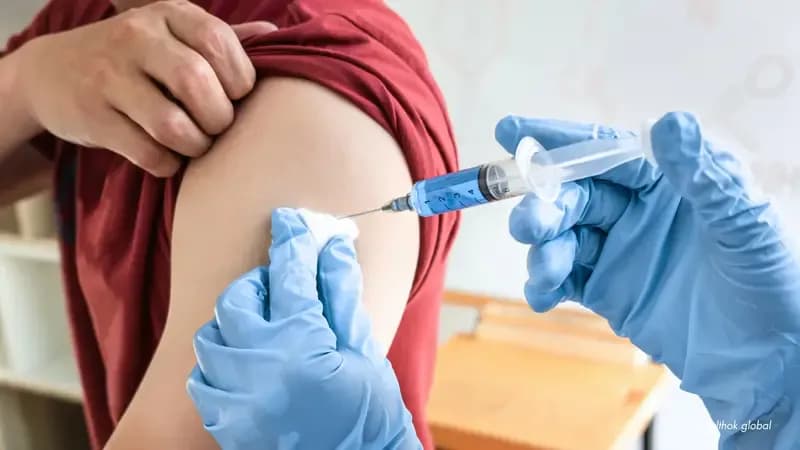
Introduction
The HPV vaccine is one of the most significant breakthroughs in preventive healthcare, targeting the Human Papillomavirus (HPV), a group of viruses that are responsible for various types of cancers, including cervical, anal, throat, and penile cancer. With the rising burden of cervical cancer among Indian women, the importance of HPV vaccination has never been more critical. In this comprehensive guide, we cover everything from the vaccine schedule and doses to side effects, cost, and availability in India.
What Is HPV and Why Is Vaccination Important?
HPV, or Human Papillomavirus, is the most common sexually transmitted infection globally. While most HPV infections go away on their own, certain high-risk strains can lead to cancer. The HPV vaccine is designed to prevent these high-risk infections, significantly reducing the chances of developing HPV-related cancers. According to the World Health Organization (WHO), cervical cancer is the fourth most frequent cancer in women, and nearly all cases are linked to persistent HPV infection.
HPV Vaccine Schedule and Doses
The HPV vaccine doses depend on the age group:
For full protection, it’s important to adhere to the recommended vaccine timetable. The vaccine schedule in India is increasingly aligning with global guidelines, and the vaccine is part of India’s National Immunization Programme for eligible age groups.
- Children aged 9–14 years: 2 doses, 6–12 months apart.
- Individuals aged 15–45 years: 3 doses over a 6-month period.
For full protection, it’s important to adhere to the recommended vaccine timetable. The vaccine schedule in India is increasingly aligning with global guidelines, and the vaccine is part of India’s National Immunization Programme for eligible age groups.
HPV Vaccine for Men
Although initially recommended for females, the HPV vaccine for men is now strongly advised to prevent genital warts and reduce transmission. Men are also susceptible to HPV-related cancers such as oropharyngeal and anal cancers. Vaccinating boys and men enhances herd immunity and contributes to the larger goal of HPV elimination.
HPV Vaccine Side Effects
Most HPV vaccine side effects are mild and resolve quickly. Common side effects include:
Serious side effects are extremely rare and thoroughly monitored by global health bodies. It is considered a very safe vaccine by both WHO and the Indian Academy of Pediatrics.
- Pain or redness at the injection site
- Fatigue
- Headache
- Low-grade fever
Serious side effects are extremely rare and thoroughly monitored by global health bodies. It is considered a very safe vaccine by both WHO and the Indian Academy of Pediatrics.
HPV Vaccine Price in India
The HPV vaccine price in India depends on the brand and location:
The HPV vaccine cost in govt hospital is significantly subsidized under India’s public health schemes. For private setups, the HPV vaccine cost in India can vary, but it’s generally more accessible than before thanks to local production initiatives.
- Private hospitals: ₹2,000 to ₹3,500 per dose
- Government hospitals: ₹0 to ₹300 per dose (for eligible groups)
The HPV vaccine cost in govt hospital is significantly subsidized under India’s public health schemes. For private setups, the HPV vaccine cost in India can vary, but it’s generally more accessible than before thanks to local production initiatives.
HPV Vaccines Available in India
As of 2025, India offers both imported and indigenously produced HPV vaccines such as:
- Cervarix (bivalent, protects against types 16 & 18)
- Gardasil-4 (quadrivalent, protects against types 6, 11, 16 & 18)
- Gardasil-9 (nonavalent, broader protection)
- CERVAVAC – India’s own vaccine developed by the Serum Institute of India, now widely used under the national immunization program.
Case Study: Impact of HPV Vaccine Rollout
In Sikkim, one of the first Indian states to roll out the HPV vaccine in 2016, vaccination coverage exceeded 97% in adolescent girls. According to a 2023 study published in The Lancet, Sikkim saw a significant drop in HPV infection prevalence and early cervical lesions among vaccinated individuals. This successful case highlights the importance of vaccine awareness and accessibility.
Relationship Between HPV and Other Health Metrics
HPV infection, if undetected, can affect immune function and complicate other health issues. For instance, abnormal liver enzymes such as SGOT levels can indicate systemic inflammation or underlying chronic conditions. Additionally, monitoring metabolic health using tools like a blood sugar conversion chart is crucial, especially for immunocompromised individuals undergoing vaccination.
Broader Vaccine Education and Integration
Understanding HPV vaccination is part of a broader vaccine awareness strategy. It’s essential to be informed about:
All these are part of the vaccine schedule India and should be tracked via government-issued platforms.
- Vaccine bcg and vaccine bcg full form (Bacillus Calmette–Guérin)
- Vaccine penta, vaccine rotavirus, and vaccine hib (Haemophilus influenzae type b)
- Vaccine meningococcal and vaccine yellow fever (travel vaccines)
- Vaccine tdap (Tetanus, Diphtheria, and Pertussis)
- Vaccine live attenuated (weakened virus vaccines)
All these are part of the vaccine schedule India and should be tracked via government-issued platforms.
How to Get Vaccinated and Track Your Certificate
HPV vaccination is offered through:
Post-vaccination, your certificate can be accessed via vaccine certificate download by Aadhaar number or vaccine certificate download by mobile number on the CoWIN portal.
- Primary health centers
- District government hospitals
- Private pediatricians and gynecologists
Post-vaccination, your certificate can be accessed via vaccine certificate download by Aadhaar number or vaccine certificate download by mobile number on the CoWIN portal.
Conclusion
HPV vaccination is a life-saving and preventive health measure, reducing the burden of cancer in India and globally. With affordable options like CERVAVAC and widespread government adoption, the path to a cervical cancer-free India is within reach. By staying informed, tracking your vaccine schedule, and educating others, you contribute to a healthier future for all.
FAQs About the HPV Vaccine
It is recommended for girls and boys aged 9–14 years. However, individuals up to age 45 can also receive it after consulting with a healthcare provider.
What is the recommended age for HPV vaccination?
Yes, under India’s public immunization programs, the vaccine is available at minimal or no cost in government facilities.
Is the HPV vaccine available in government hospitals?
No, but it protects against the most high-risk types (16 and 18), responsible for the majority of cervical cancers. Gardasil-9 offers broader protection.
Does the vaccine protect against all HPV types?
Yes, it is recommended for men and boys to prevent genital warts and reduce transmission.
Can men take the HPV vaccine?
Long-term studies have shown the HPV vaccine to be extremely safe with no major health risks.
Are there any long-term side effects?
Connect With Zocvi
Zocvi simplifies healthcare with expert guidance, access to affordable medicines, and personalized health plans. Chat with our FREE 24 x 7 Helpline at +91-92724-57637 for support anytime.









Comments (0)