Natural Home Remedies for Pneumonia Recovery and Relief

Natural Home Remedies for Pneumonia Recovery and Relief

Overview

Pneumonia is a respiratory condition characterized by the inflammation of the air sacs in one or both lungs, which can fill with fluid or pus.

Understanding Pneumonia and Its Impact on Health

Pneumonia is a respiratory condition characterized by the inflammation of the air sacs in one or both lungs, which can fill with fluid or pus. It can be caused by various pathogens, including bacteria, viruses, and fungi, and can range from mild to life-threatening. Understanding pneumonia's symptoms and impact is crucial for seeking timely medical treatment and supporting recovery.

Grasping the Severity of Respiratory Infections

Natural Remedies and Their Roles in Supporting Pneumonia Recovery

While medical treatment is essential for pneumonia, certain natural remedies can complement the healing process. These include Steam Inhalation, Herbal Teas and Honey and Lemon.

Complementary Treatments for Healing

Lifestyle Adjustments to Aid in Healing from Pneumonia

Lifestyle adjustments are key in aiding recovery from pneumonia. Rest is paramount, as the body needs energy to fight the infection. Staying hydrated helps thin mucus, making it easier to cough up. Eating a balanced diet rich in fruits, vegetables, and lean proteins can provide the necessary nutrients for healing. Additionally, avoiding smoking and reducing exposure to pollutants is crucial for lung health.

Practices to Enhance Recovery

Preventative Measures to Reduce the Risk of Respiratory Infections

Preventative measures are essential in reducing the risk of pneumonia and other respiratory infections. These include Regular Handwashing, Vaccinations and Maintaining a Healthy Lifestyle.

Proactive Steps for Respiratory Health

The Importance of Hydration and Nutrition in Recovery

Hydration and proper nutrition are critical during pneumonia recovery. Drinking plenty of fluids, especially water, herbal teas, and broths, keeps the body hydrated and helps loosen mucus. A diet rich in vitamins and antioxidants can boost the immune system, aiding in faster recovery.

Fueling the Body for Healing

Recognizing When to Seek Medical Attention

While home remedies can support recovery, it's crucial to recognize their limits. If symptoms worsen or new symptoms appear, such as severe chest pain, difficulty breathing, or a persistent high fever, it's important to seek medical attention immediately.

Understanding the Limits of Home Remedies

The Role of Rest and Sleep in Healing from Pneumonia

Adequate rest and sleep are fundamental in the recovery process. Ensuring enough sleep and avoiding strenuous activities give the body the chance to heal.

The Healing Power of Rest

About Zocvi

Zocvi connects patients with verified doctors and evidence-based health guidance. Visit zocvi.com or reach us on WhatsApp at +91-92724-57637.
Follow Zocvi

Stay connected with Zocvi for expert health advice. Follow us on Facebook, LinkedIn, and Instagram.

Frequently Asked Questions

Can home remedies alone treat pneumonia, or do I still need antibiotics?

Home remedies alone are not enough to treat pneumonia — you need a doctor's assessment first. Bacterial pneumonia (the most common type) requires antibiotics; viral pneumonia requires antiviral or supportive care depending on severity. Attempting to 'treat' pneumonia with only steam inhalation or honey-lemon tea while avoiding a diagnosis is genuinely dangerous — pneumonia kills around 400,000 Indians annually, and most of those deaths occur when treatment is delayed. What home remedies DO help: steam inhalation relieves congestion and makes breathing slightly easier; honey-lemon in warm water soothes throat irritation; adequate hydration (2–3 litres/day of water, broths, warm herbal teas) helps thin mucus secretions; rest allows the immune system to work efficiently. Use these alongside prescribed treatment, not instead of it. If you've been diagnosed with mild community-acquired pneumonia (CAP) and the doctor has cleared you for home management, these supportive measures can meaningfully speed up recovery.

What should I eat and drink when recovering from pneumonia?

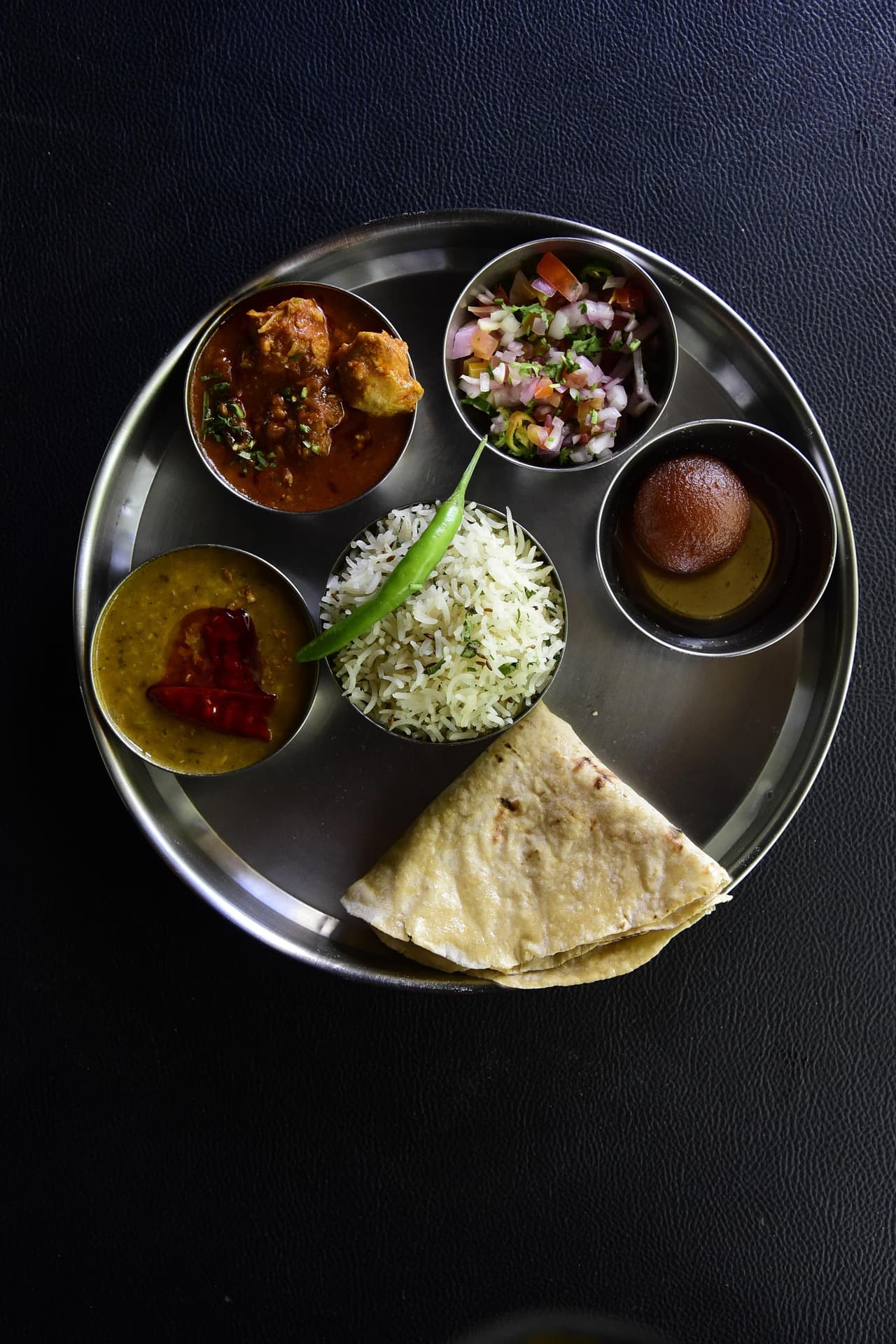
Fluids first — aim for at least 2–2.5 litres/day: warm water, fresh vegetable soups (dal water, bottle gourd/lauki soup), coconut water, and warm herbal teas (ginger-tulsi, mulethi/licorice root). These thin mucus and support expectoration. For food: prioritise protein-rich meals (dal, eggs, curd, paneer, fish) because your immune system needs amino acids for antibody production and tissue repair. Vitamin C-rich foods (amla, guava, orange, lemon) support white blood cell function. Zinc from pumpkin seeds, legumes, and whole grains reduces inflammation. What to avoid: heavy, oily, or fried food (hard to digest when already oxygen-compromised), alcohol (dehydrates and suppresses immune response), and cold drinks or ice cream (may aggravate coughing). Small frequent meals are better than three large ones — diaphragm pressure after a full meal can worsen breathlessness.

How long does recovery from pneumonia take at home?

Most healthy adults with mild to moderate community-acquired pneumonia feel meaningfully better within 5–7 days of starting antibiotics. However, full recovery — returning to normal energy levels without breathlessness — typically takes 3–6 weeks. A useful rule: fever and productive cough should begin improving by Day 3–5. If they don't, that's a sign the treatment isn't working or the pathogen isn't responding — go back to your doctor. X-ray clearance takes longer than symptom clearance — a chest X-ray often still shows infiltrates at 6–8 weeks even when a patient feels well. Older adults (65+), people with diabetes or COPD, and smokers typically recover more slowly. For this group, doctor-monitored home recovery with a follow-up appointment at 2 weeks is the standard approach.

What signs mean I need to go to the hospital immediately for pneumonia?

Seven warning signs require same-day emergency care — do not wait until morning: (1) breathing rate faster than 30 breaths per minute at rest; (2) lips, fingernails, or skin turning bluish (cyanosis) — indicates critically low oxygen; (3) confusion, extreme drowsiness, or altered consciousness, especially in elderly patients; (4) SpO2 below 92% on pulse oximeter at home; (5) inability to keep fluids down due to vomiting (antibiotic medication can't be retained); (6) no improvement after 48–72 hours on prescribed antibiotics; (7) severe chest pain making normal breathing impossible. In India, call 108 (national ambulance service) or take the patient to the nearest government hospital emergency immediately. Do not apply steam or give home remedies in this state — these are signs of severe pneumonia (CURB-65 score 3+) that can deteriorate rapidly without IV antibiotics and oxygen.

Questions About This Article

Have a question? Ask the author directly.

Have a question about this article?

Ask Zocvi Editorial directly. Your question may help others with similar concerns.

Q:1 answer
Q:1 answer
Q:1 answer
Q:1 answer

Comments (0)

Found this helpful? Share it!

LinkedInWhatsApp

More from Zocvi Editorial

Other Articles You May Like

Dr. Mahesh Sulakshane

Paediatrician • 22 yrs • Pune

60 views

Formula Feeding (बाळाला पावडरचे दूध पाजताना काय काळजी घ्यायची?)

Formula Feeding (बाळाला पावडरचे  दूध पाजताना काय काळजी घ्यायची?)

पावडरच दूध बाळाला कोणत्या परिस्थितीत दिल जात ? Formula Feeding ते देण्याची पद्धत, प्रमाण, ते पाजताना घ्यायची काळजी (What is Formula Feeding ) याबाबत सविस्त...

Find a Doctor for Common Childhood Illnesses

Verified specialists across India

Dr. Krishna Singh

Pulmonologist & Chest Physician

16 yrs

Bhopal

Siddhanta Red Cross Superspeciality Hospital
Nayapura, Bhopal, Madhya Pradesh, 462030
₹500 consultation

Dr. Sameer Lote

Pulmonologist & Chest Physician

10 yrs

Nagpur

Panacea Clinic
Dhantoli, Nagpur, Maharashtra, 440012
₹500 consultation

Dr. Roshan Singh Rathore

Pulmonologist & Chest Physician

15 yrs

Raipur

Rathore Chest Clinic
Devendra Nagar, Raipur, Chhattisgarh, 492001
₹500 consultation

Dr. Ravi Shekhar Jha

Pulmonologist & Chest Physician

16 yrs

Faridabad

Fortis Escorts Hospital, Faridabad
AC Nagar, Faridabad, Haryana, 121001
₹700 consultation