Dengue vs Malaria: Key Differences and Impact
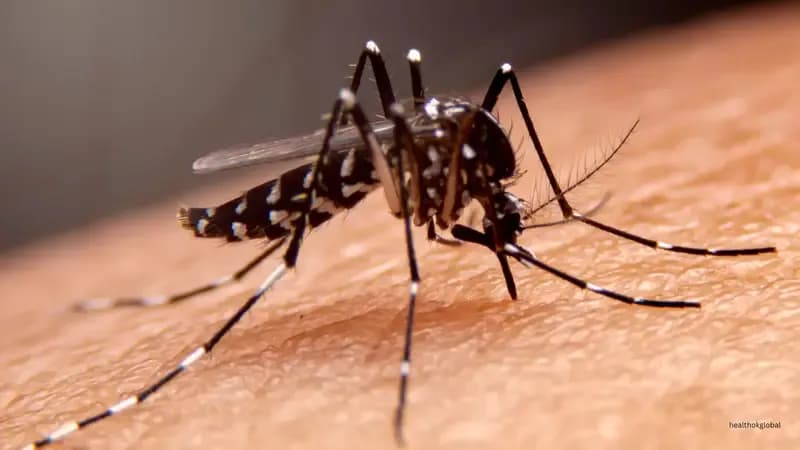
Dengue and malaria are two of the most common mosquito-borne diseases affecting millions of people worldwide.

Vector-Borne Diseases covers dengue, chikungunya, malaria, and the seasonal mosquito-borne illnesses that surge across India each monsoon. Our doctors and editorial team explain warning signs that warrant hospitalization, what platelet trends mean in dengue, evidence-based supportive care, and how to protect a household through outbreak seasons.
Last reviewed: 10 August 2026
Dengue and malaria are two of the most common mosquito-borne diseases affecting millions of people worldwide.
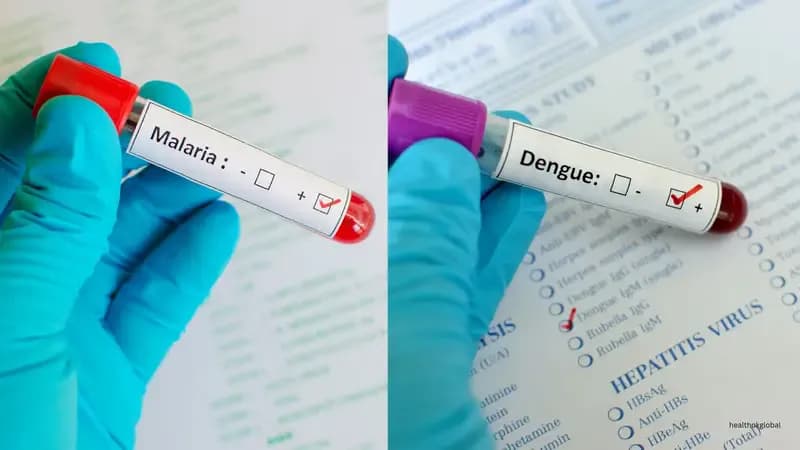
Explore the differences and similarities in the symptoms of malaria and dengue. This guide provides essential information on how to differentiate between these two mosquito-borne diseases.
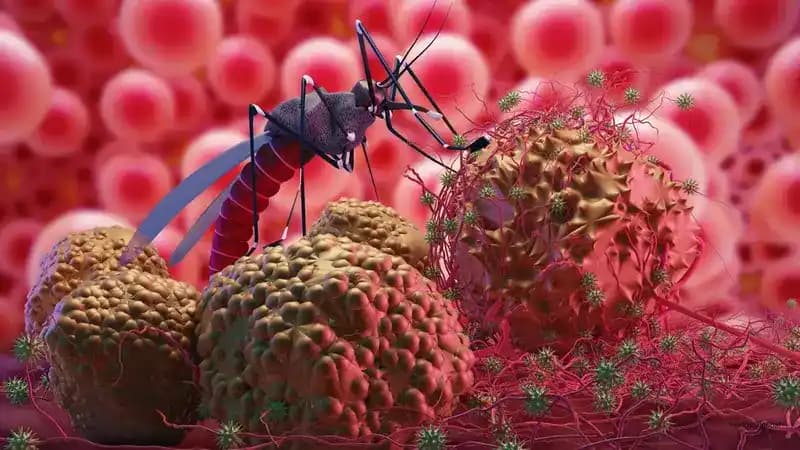
Malaria is caused by Plasmodium, a single-celled parasite that spreads through the bite of infected Anopheles mosquitoes. Here is how one mosquito bite becomes a full-blown infection, and why fevers arrive in cycles.
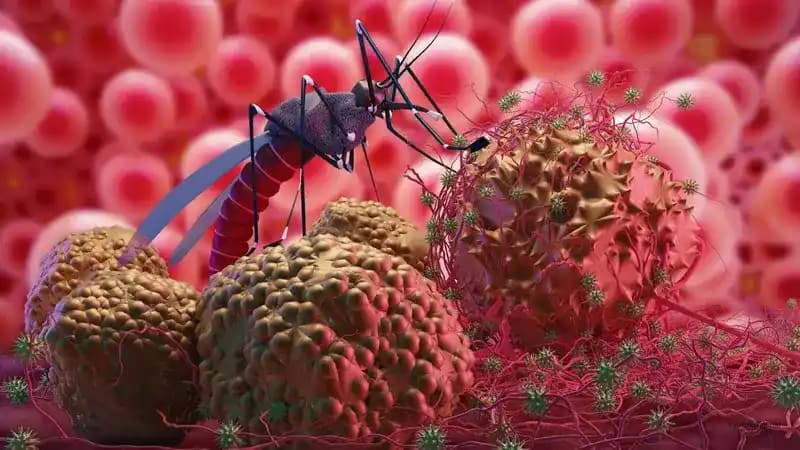
The malaria parasite undergoes a complex life cycle involving both human and mosquito hosts.
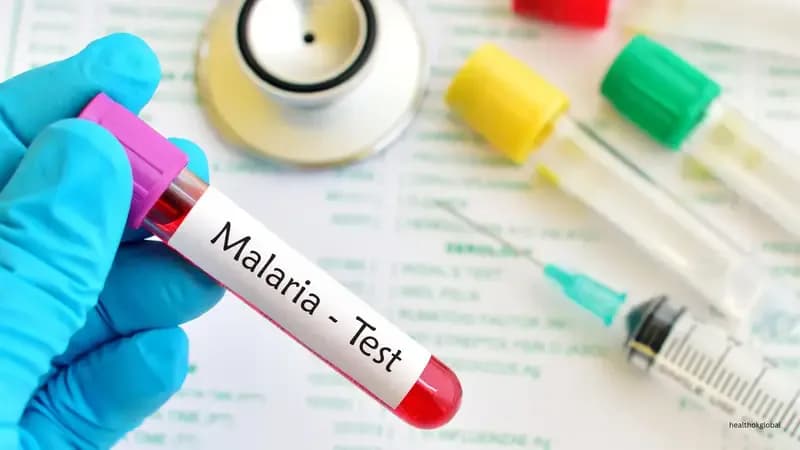
Malaria testing in India: which test your doctor picks (RDT, blood smear, PCR), when to get tested, how quickly results come back, and what a positive report means for treatment.
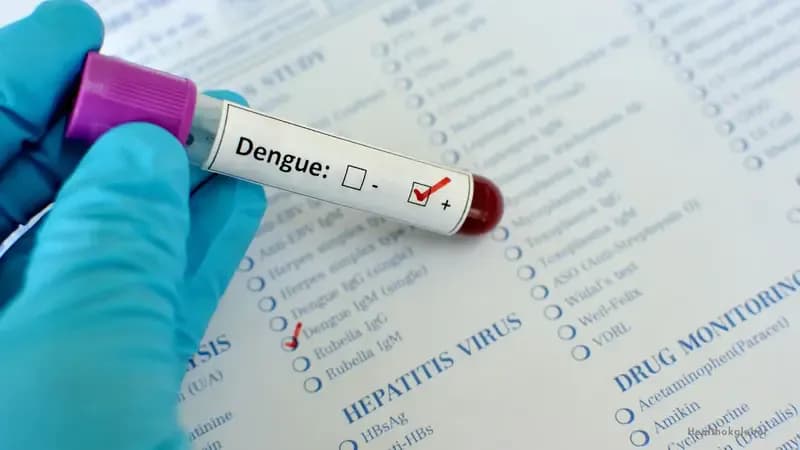
The dengue NS1 test detects an early dengue-virus protein in your blood within the first 1-5 days of fever, before antibodies show up. Here is when to ask for it, how it differs from IgM/IgG antibody tests, and what a positive result means.
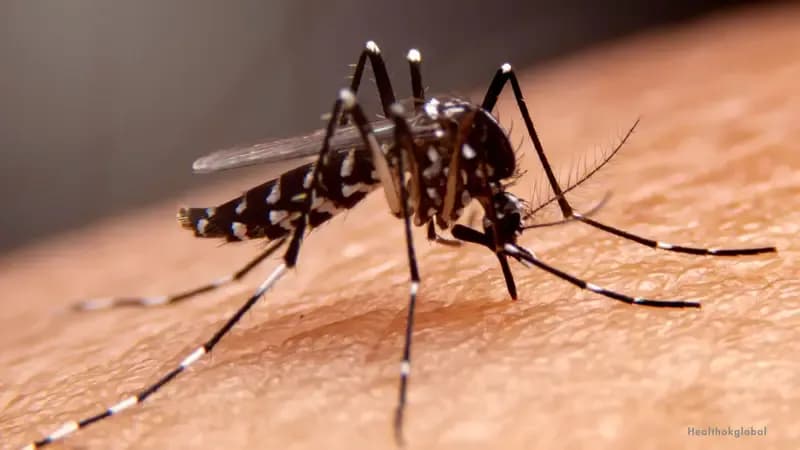
Dengue fever is a mosquito-borne viral infection causing severe flu-like symptoms.
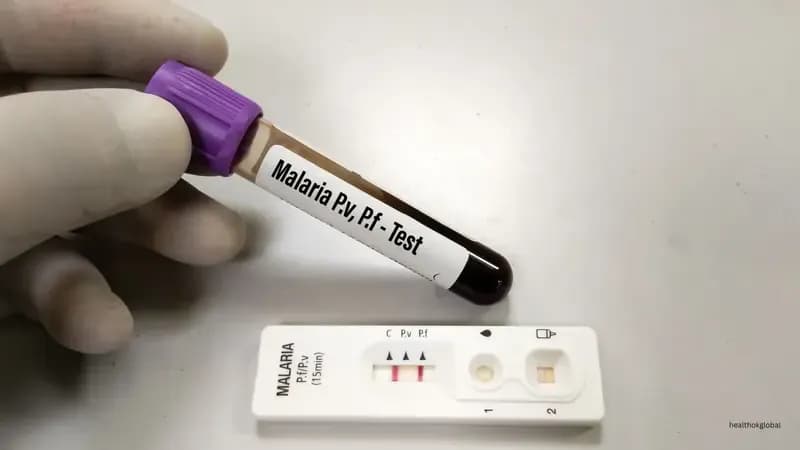
Discover the various diagnostic tests used to identify malaria. This guide offers detailed insights into the methods, their accuracy, and their applications in different settings.
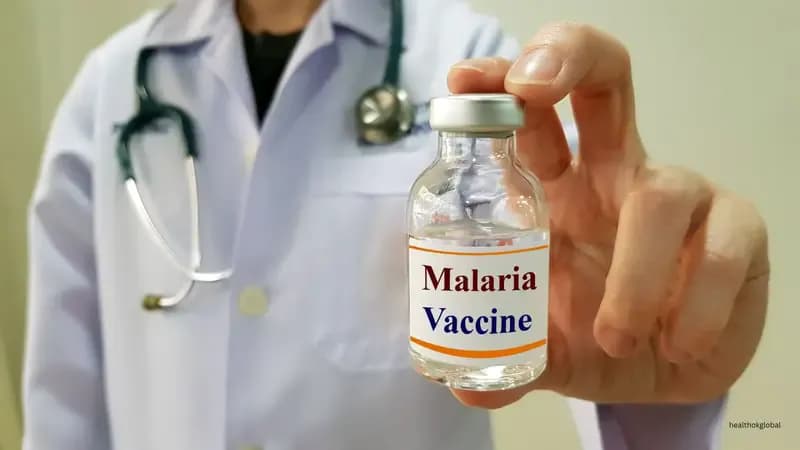
A comprehensive nursing care plan for malaria involves assessing patient needs, providing appropriate interventions, and monitoring progress.
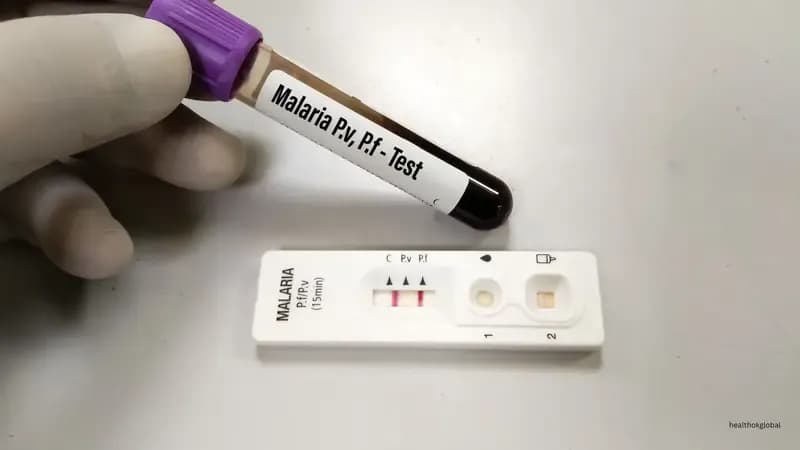
Rapid malaria test kits give a result in 15-20 minutes from a finger prick, work well in field and clinic settings, and cost a fraction of lab microscopy. Here is what an RDT can and cannot detect, and when a negative result still needs a follow-up blood smear.
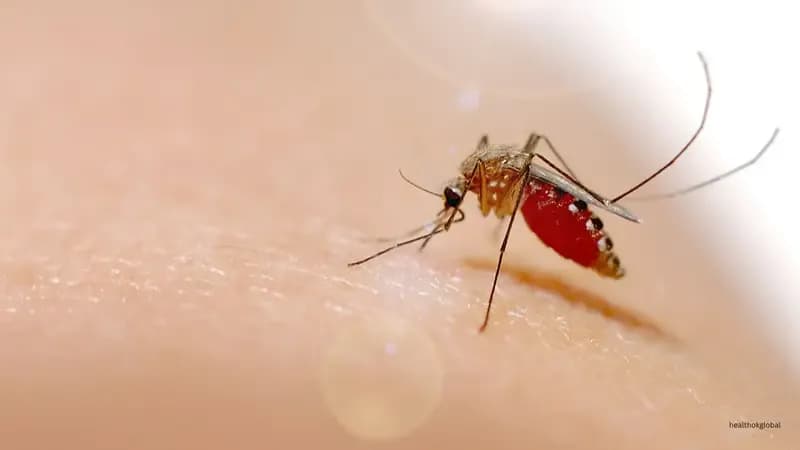
Explore the complex mechanisms of malaria, a disease caused by protozoan parasites. This guide provides essential information on the pathophysiology of malaria, including its stages, effects on the body, and complications.
The Dengue NS1 antigen is a non-structural protein produced by the dengue virus during the early stages of infection.
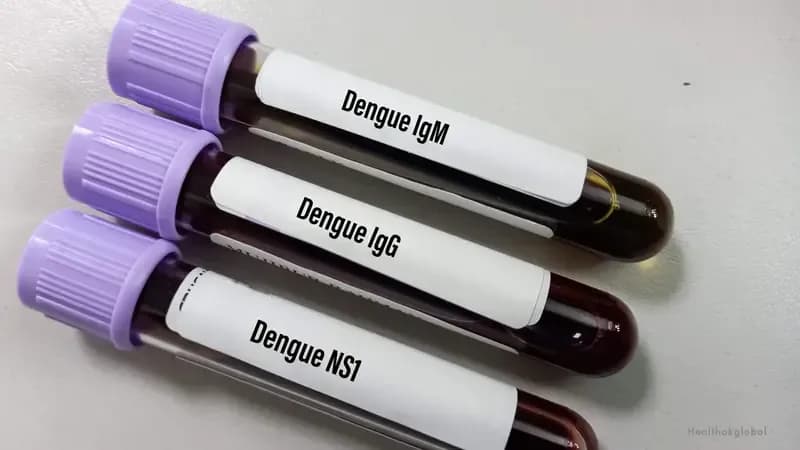
The NS1 antigen test detects a specific dengue-virus protein circulating in blood during the first week of infection, before your body has made detectable antibodies. Here is exactly what NS1 is, how the ELISA and rapid-kit versions differ, and how to interpret results accurately.

A complete NCP for patients presenting with fever and vomiting. NANDA nursing diagnoses (Hyperthermia, Fluid Volume Deficit, Nausea), assessment framework, and evidence-based interventions with expected outcomes.

Fever is a common symptom that can indicate various underlying health conditions, making it essential to develop an effective nursing care plan.

Viral fever is a common illness caused by viral infections, leading to symptoms such as high temperature, body aches, and fatigue.
Expert answers from our medical team
Dengue often causes high fever, severe body and joint pain ('breakbone fever'), headache behind the eyes, and — sometimes — rash. Warning signs of severe dengue: worsening abdominal pain, persistent vomiting, bleeding from gums or nose, extreme tiredness, restlessness. Any of these needs urgent medical care. Only a blood test confirms dengue definitively; NS1 antigen in the first few days, IgM antibody later.
Stay well-hydrated (oral or intravenous fluids if needed), rest, take paracetamol for fever (never aspirin or ibuprofen — they raise bleeding risk in dengue), monitor platelet count as your doctor advises, and watch for warning signs of severe dengue. Most people recover in 1-2 weeks. Hospitalisation is needed for warning signs, bleeding, very low platelets, or dehydration.
Eliminate standing water around the home (flowerpot saucers, coolers, buckets, discarded tyres — dengue mosquitoes breed in tiny water sources). Use mosquito repellent (DEET, picaridin), wear long sleeves at dawn and dusk, use mosquito nets over beds, screens on windows. In malaria-endemic areas, prophylactic medication may be advised before travel. Community-level water management matters as much as individual measures.
Yes, particularly in the north-east states (Odisha, Chhattisgarh, Jharkhand, Meghalaya), tribal areas, and parts of coastal India. Both P. vivax and the more severe P. falciparum occur. Fever with chills that comes in cycles suggests malaria — blood tests confirm the species. Treatment is well-established but drug resistance in P. falciparum makes early diagnosis important. India aims for malaria elimination by 2030.
Chikungunya, also spread by dengue mosquitoes, causes fever and severe joint pain — often more prolonged than dengue (weeks to months of joint pain). It rarely causes the bleeding complications of dengue, but the long-lasting arthritis can be debilitating. Diagnosis is by blood test. Treatment is symptomatic — hydration, rest, paracetamol, physiotherapy for prolonged joint symptoms. No specific antiviral exists.
Questions from our community members
Ask our medical community. Your question may help others with similar concerns.
Verified specialists across India