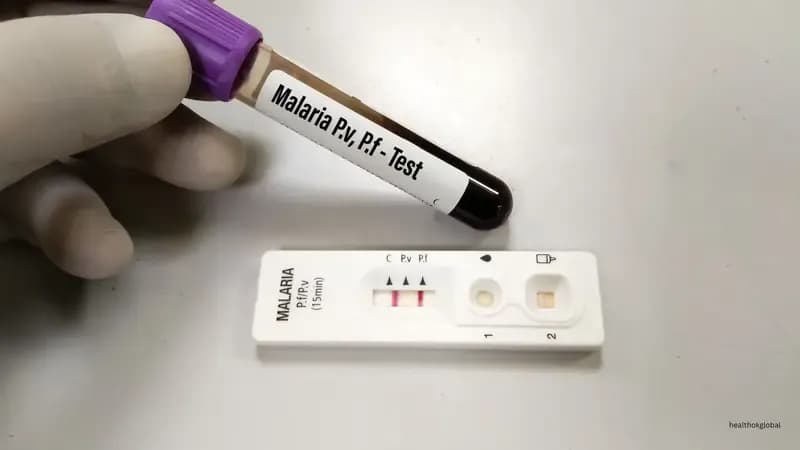
Malaria Test Kits (RDT): What They Detect, How Accurate, and When to Use One

Malaria Test Kits (RDT): What They Detect, How Accurate, and When to Use One

Overview

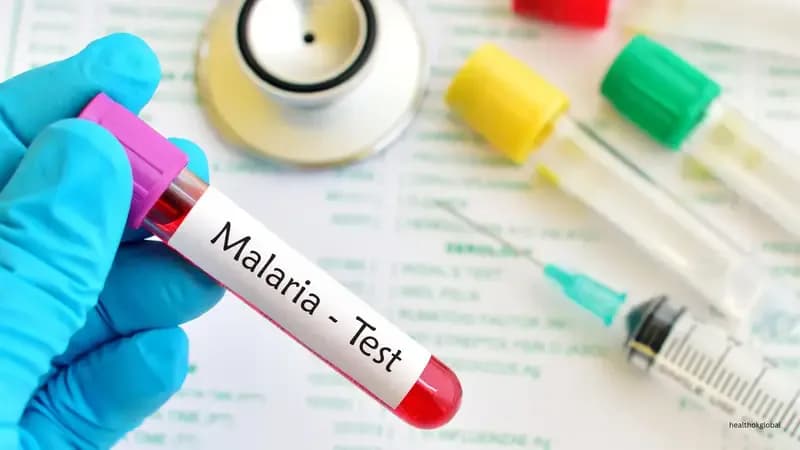
Rapid malaria test kits give a result in 15-20 minutes from a finger prick, work well in field and clinic settings, and cost a fraction of lab microscopy. Here is what an RDT can and cannot detect, and when a...

Introduction

Malaria test kits are essential tools for the rapid diagnosis of malaria, especially in remote and resource-limited settings. These kits are designed to detect the presence of malaria parasites in the blood quickly and accurately, allowing for timely treatment and reducing the risk of complications. This blog explores the importance, usage, and benefits of malaria test kits.

Types of Malaria Test Kits

There are several types of malaria test kits available, each with its own advantages and limitations. The most commonly used kits include rapid diagnostic tests (RDTs) and molecular diagnostic tests.

Rapid Diagnostic Tests (RDTs)

Rapid diagnostic tests (RDTs) are immunochromatographic tests that detect specific antigens produced by malaria parasites. RDTs are easy to use, provide results within 15-20 minutes, and do not require specialized laboratory equipment. They are particularly useful in remote areas with limited access to laboratory facilities.

Molecular Diagnostic Tests

Molecular diagnostic tests, such as polymerase chain reaction (PCR), detect malaria DNA in blood samples. These tests are highly sensitive and specific but require specialized equipment and trained personnel. Molecular tests are valuable for confirming RDT results and detecting low-level infections or mixed-species infections.

Advantages of Malaria Test Kits

Malaria test kits offer several advantages, including:
Test kits provide quick results, allowing for timely diagnosis and treatment.

1. Rapid Results

Most test kits are easy to use and require minimal training, making them accessible to healthcare workers in remote areas.

2. Ease of Use

Test kits are portable and can be used in various settings, including clinics, hospitals, and field conditions.

3. Portability

RDTs are cost-effective compared to laboratory-based diagnostic methods, making them suitable for widespread use in resource-limited settings.

4. Cost-Effective

Limitations of Malaria Test Kits

Despite their advantages, malaria test kits also have some limitations:
The sensitivity of RDTs can vary depending on the Plasmodium species and the level of parasitemia.

1. Variable Sensitivity

RDTs require proper storage conditions to maintain their effectiveness, which can be challenging in tropical climates.

2. Storage Conditions

Positive RDT results should be confirmed with additional diagnostic methods, such as microscopy or PCR, to ensure accuracy.

3. Need for Confirmation

Using Malaria Test Kits

The process of using malaria test kits typically involves the following steps:
A blood sample is collected from the patient, usually through a finger prick.

1. Sample Collection

The collected blood sample is applied to the test kit, along with a reagent or buffer solution.

2. Test Procedure

After a specified incubation period, the test kit displays the results, typically in the form of visible lines or color changes.

3. Result Interpretation

Importance of Malaria Test Kits

Malaria test kits are crucial for several reasons:
Early diagnosis allows for prompt treatment, reducing the risk of complications and transmission.

1. Early Diagnosis

Test kits provide accessible diagnostic options in remote and resource-limited settings, where laboratory facilities may be unavailable.

2. Accessibility

Widespread use of test kits can improve malaria surveillance and help track the prevalence of the disease.

3. Public Health Surveillance

Future Developments

Continued research and development are essential for improving malaria test kits. Future advancements may include more sensitive and specific tests, as well as portable molecular diagnostic tools that can be used in field settings.

Conclusion

Malaria RDT kits are the workhorses of malaria diagnosis in India, quick, portable, cheap, accurate enough for the common falciparum and vivax infections when used correctly and stored within temperature limits. They are not perfect: a negative RDT in the first 24-48 hours of fever or at very low parasitemia levels can miss real infection, which is why a blood smear remains the gold-standard confirmatory test. The practical rule for patients: if you have fever after mosquito exposure and the RDT is negative but symptoms persist past 48 hours, insist on a peripheral blood smear rather than accepting the RDT as a clean bill of health.

About Zocvi

Zocvi connects patients with verified doctors and evidence-based health guidance. Visit zocvi.com or reach us on WhatsApp at +91-92724-57637.


Follow Zocvi

Stay connected with Zocvi for expert health advice. Follow us on Facebook, LinkedIn, and Instagram.

Frequently Asked Questions

How accurate is a malaria RDT compared to a proper blood test?

Modern malaria RDTs have sensitivity of roughly 90-95% for detecting Plasmodium falciparum at typical fever-onset parasite levels, meaning they catch most cases but can miss around 5-10%. Sensitivity for P. vivax is lower, around 80-90%, because the antigens vary more across strains. Sensitivity drops significantly when parasite counts are very low (early in the illness or in asymptomatic carriers). Blood smear microscopy remains the gold standard, with sensitivity approaching 95% in expert hands and the ability to identify species and quantify parasite load. In practice, RDT is the fast first test almost anywhere in India; blood smear confirms the diagnosis and guides treatment intensity. A negative RDT with persistent malaria-suggestive symptoms should always trigger a follow-up smear rather than being taken as definitive.

Can I buy a malaria test kit for home use in India?

Malaria RDT kits are available in India but not typically sold for home use, they are meant for clinical or field-worker settings and are usually sold to hospitals, primary health centres, NGOs, and pharmacies for point-of-care testing rather than direct-to-consumer. Even where available at retail pharmacies, home use is not recommended because: interpreting a faint test line correctly needs practice, a negative result does not rule out early-stage malaria and needs follow-up, and any positive result immediately needs a doctor visit for treatment (antimalarials are prescription-only). Practical alternative: same-day RDT plus blood smear at a diagnostic lab or general practitioner clinic is inexpensive and available in most Indian cities. Do not delay treatment while trying to diagnose at home if you have symptoms consistent with malaria after mosquito exposure.

Why do storage conditions matter so much for malaria RDT accuracy?

RDTs use protein-based antibodies that degrade at high temperatures, accuracy drops meaningfully when kits are stored above 30°C for extended periods, which is a real issue in Indian summers and in rural clinics without air conditioning. Storage above 40°C can produce false negatives even for kits well within their expiry date. Practical implications: kits held in unrefrigerated pharmacy shelves during peak summer months (April-June) may perform worse than the manufacturer's stated sensitivity; kits transported without cold-chain protection in field settings often lose reliability. This is why WHO recommends RDT lot testing before deployment in endemic areas. For patients: if an RDT result seems inconsistent with your clinical picture, ask for a blood smear rather than trusting the RDT alone, the smear does not have storage-related accuracy issues.

If the RDT shows positive, what happens next?

A positive RDT confirms malaria and shifts focus immediately to two things: (a) determining severity, a doctor evaluates whether it is uncomplicated malaria (treatable at home with oral antimalarials) or severe malaria (needs hospitalisation and IV artesunate). Severe malaria indicators include altered consciousness, seizures, jaundice, dark urine, breathing difficulty, or extreme weakness. (b) identifying species, this determines the drug regimen. For P. falciparum in India, artemisinin combination therapy (ACT) is first-line; for P. vivax, chloroquine plus primaquine (primaquine treats the dormant liver stage to prevent relapse). The doctor will also order a follow-up blood smear to quantify parasite load and check response to treatment at day 3. Do not self-treat with over-the-counter antimalarials on a positive RDT, the wrong drug or dose can drive resistance and worsen outcomes.

Questions About This Article

Have a question? Ask the author directly.

Have a question about this article?

Ask Zocvi Editorial directly. Your question may help others with similar concerns.

Q:1 answer
Q:1 answer
Q:1 answer
Q:1 answer

Comments (0)

Found this helpful? Share it!

LinkedInWhatsApp

More from Zocvi Editorial

Other Articles You May Like

Find a Doctor for Vector-Borne Diseases

Verified specialists across India

Dr. Agarwal Dr S S

General Physician

26 yrs

Jaipur

Bhandari Hospital
Ganpati Nagar, Jaipur, Rajasthan, 302003
₹400 consultation

Dr. Gyaneshwar

General Physician

Dehradun

Family Clinic, Rajhans Plaza
Kulhan, Dehradun, Uttarakhand, 248013
Fee on request

Dr. Sushma Jadhav

Book Online

General Physician

22 yrs

Pune

SarvAadi Health and Geriatic Clinic
Laxman Nagar, Baner, Pune, Pune, Maharashtra, 411045
₹500 consultation
EmailWhatsApp

Dr. Sonal Jain

General Physician

16 yrs

Hyderabad

Dr. Sonal's Health Care Centre
Devi Laxmi Bagh, Hyderabad, Telangana, 500029
₹600 consultation