
Introduction
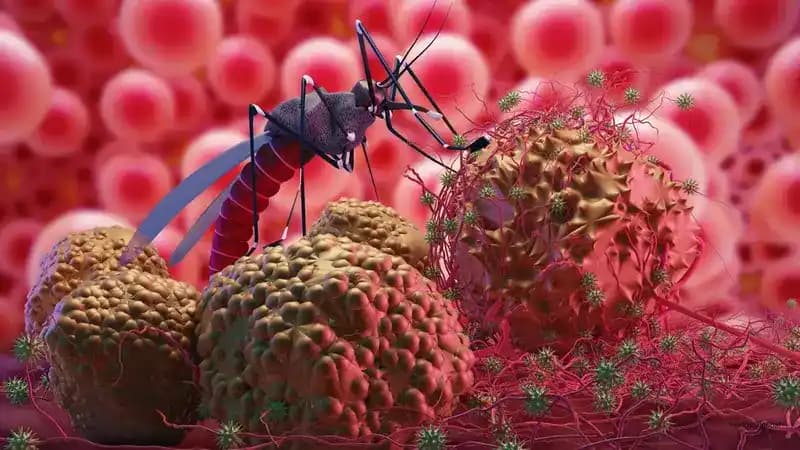
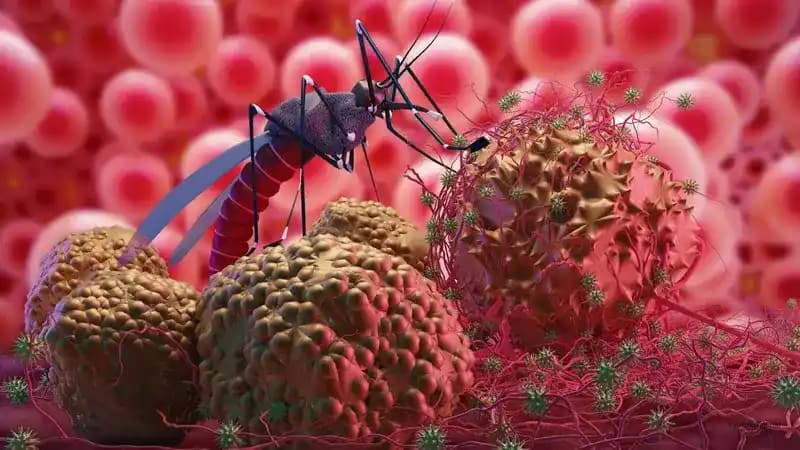
Malaria is a life-threatening disease caused by protozoan parasites of the genus Plasmodium. These parasites are transmitted to humans through the bites of infected female Anopheles mosquitoes. Malaria is a major health concern in many tropical and subtropical regions. This comprehensive guide explores how malaria is caused by protozoa, the life cycle of the parasite, symptoms, and prevention strategies. Understanding malaria's causes and effects can help in the fight against this deadly disease.
Life Cycle of the Malaria Parasite
The malaria parasite has a complex life cycle involving two hosts: humans and Anopheles mosquitoes. The life cycle includes several stages:
When an infected mosquito bites a human, it injects sporozoites into the bloodstream. These sporozoites travel to the liver, where they invade liver cells and mature into schizonts.
1. Sporozoite Stage
In the liver, the schizonts multiply and eventually rupture, releasing thousands of merozoites into the bloodstream. This stage can last from a few days to several weeks, depending on the Plasmodium species.
2. Liver Stage
Merozoites invade red blood cells and undergo asexual reproduction, leading to the formation of trophozoites, schizonts, and new merozoites. This cycle repeats, causing the characteristic symptoms of malaria such as fever and chills.
3. Blood Stage
Some merozoites develop into sexual forms called gametocytes, which circulate in the bloodstream. When a mosquito bites an infected person, it ingests these gametocytes, which then mature into male and female gametes in the mosquito's gut.
4. Gametocyte Stage
In the mosquito's gut, gametes fuse to form zygotes, which develop into ookinetes. Ookinetes penetrate the mosquito's gut wall and form oocysts, where sporozoites develop. These sporozoites migrate to the mosquito's salivary glands, ready to infect a new human host.
5. Mosquito Stage
Symptoms of Malaria
Malaria symptoms typically appear 10 to 15 days after an infected mosquito bite. Common symptoms include:
High fever is a hallmark of malaria and occurs in cycles, corresponding to the release of merozoites into the bloodstream.
1. Fever
Patients often experience intense chills and shivering, followed by sweating as the fever breaks.
2. Chills
Severe headache is a common symptom, often accompanied by muscle aches and general malaise.
3. Headache
Extreme tiredness and weakness are common due to the destruction of red blood cells and the body's effort to fight the infection.
4. Fatigue
Gastrointestinal symptoms such as nausea, vomiting, and abdominal pain can also occur.
5. Nausea and Vomiting
The destruction of red blood cells leads to anemia, which can cause pallor and shortness of breath.
6. Anemia
In severe cases, jaundice (yellowing of the skin and eyes) can occur due to liver involvement.
7. Jaundice
Complications of Malaria
If left untreated, malaria can lead to severe complications, including:
A severe form of the disease that affects the brain, leading to seizures, confusion, and coma.
1. Cerebral Malaria
Severe cases can cause respiratory distress and acute respiratory failure.
2. Respiratory Distress
Malaria can lead to kidney failure, liver failure, and spleen rupture.
3. Organ Failure
Severe destruction of red blood cells can lead to life-threatening anemia.
4. Severe Anemia
Low blood sugar can occur, particularly in pregnant women and children, which can be fatal if not treated promptly.
5. Hypoglycemia
Diagnosis of Malaria
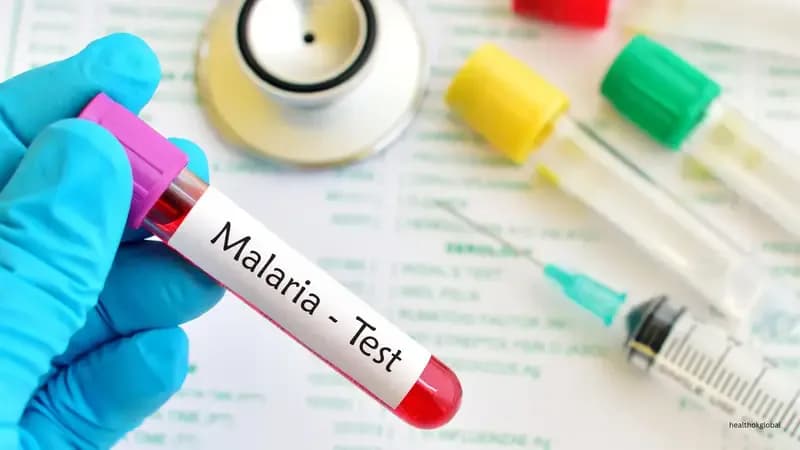
Early diagnosis of malaria is crucial for effective treatment and control. Diagnostic methods include:
Blood smears are examined under a microscope to identify the presence of Plasmodium parasites.
1. Microscopic Examination
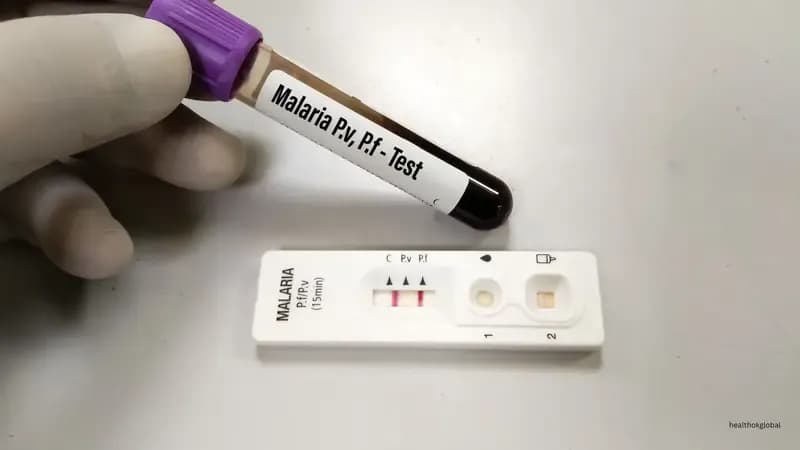
These tests detect specific antigens produced by malaria parasites and provide results within 15-20 minutes.
2. Rapid Diagnostic Tests (RDTs)
Polymerase chain reaction (PCR) tests detect malaria DNA and are highly accurate but require specialized equipment.
3. Molecular Tests
Treatment of Malaria
Malaria treatment depends on the Plasmodium species, the severity of the disease, and the patient's overall health. Common treatments include:
Medications such as chloroquine, artemisinin-based combination therapies (ACTs), and quinine are used to treat malaria. The choice of drug depends on the species and resistance patterns.
1. Antimalarial Medications
Supportive care includes fluids, pain relief, and treating complications such as anemia and hypoglycemia.
2. Supportive Care
Severe cases of malaria may require hospitalization for intensive treatment and monitoring.
3. Hospitalization
Prevention of Malaria
Preventing malaria involves a combination of personal protective measures and community-level interventions:
Measures such as insecticide-treated bed nets (ITNs), indoor residual spraying (IRS), and environmental management to reduce mosquito breeding sites are crucial.
1. Mosquito Control
Using mosquito repellents, wearing long-sleeved clothing, and sleeping under bed nets help reduce the risk of mosquito bites.
2. Personal Protection
Travelers to malaria-endemic areas may be prescribed antimalarial medications to prevent infection.
3. Prophylactic Medications
The RTS,S/AS01 vaccine has been approved for use in children in certain malaria-endemic regions to provide partial protection against malaria.
4. Vaccination
Conclusion
Malaria remains a significant global health challenge, but understanding its cause, symptoms, and prevention can help mitigate its impact. By incorporating preventive measures and seeking prompt treatment, the burden of malaria can be significantly reduced. Embrace the knowledge of how malaria is caused by protozoa and take steps to protect yourself and your community from this life-threatening disease.
About Zocvi
Zocvi connects patients with verified doctors and evidence-based health guidance. Visit zocvi.com or reach us on WhatsApp at +91-92724-57637.




Comments (0)