
Introduction
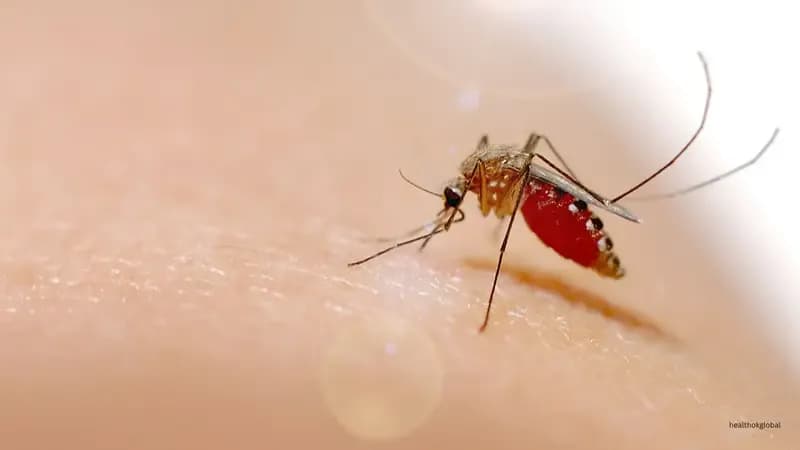
Malaria is a life-threatening disease caused by protozoan parasites of the genus Plasmodium. These parasites are transmitted to humans through the bites of infected female Anopheles mosquitoes. The pathophysiology of malaria involves complex interactions between the parasite and the host, leading to a wide range of clinical manifestations. This comprehensive guide explores the pathophysiology of malaria, detailing the stages of the parasite's life cycle, its effects on the body, and potential complications. Understanding these mechanisms is crucial for effective prevention and treatment strategies.
Life Cycle of the Malaria Parasite
The malaria parasite has a complex life cycle involving two hosts: humans and Anopheles mosquitoes. The life cycle includes several stages:
When an infected mosquito bites a human, it injects sporozoites into the bloodstream. These sporozoites travel to the liver, where they invade hepatocytes (liver cells) and mature into schizonts.
1. Sporozoite Stage
In the liver, the schizonts multiply and eventually rupture, releasing thousands of merozoites into the bloodstream. This stage can last from a few days to several weeks, depending on the Plasmodium species.
2. Liver Stage
Merozoites invade red blood cells (RBCs) and undergo asexual reproduction, leading to the formation of trophozoites, schizonts, and new merozoites. This cycle repeats, causing the characteristic symptoms of malaria such as fever and chills.
3. Blood Stage
Some merozoites develop into sexual forms called gametocytes, which circulate in the bloodstream. When a mosquito bites an infected person, it ingests these gametocytes, which then mature into male and female gametes in the mosquito's gut.
4. Gametocyte Stage
In the mosquito's gut, gametes fuse to form zygotes, which develop into ookinetes. Ookinetes penetrate the mosquito's gut wall and form oocysts, where sporozoites develop. These sporozoites migrate to the mosquito's salivary glands, ready to infect a new human host.
5. Mosquito Stage
Effects of Malaria on the Body
The pathophysiology of malaria involves several key processes that lead to the clinical manifestations of the disease:
The repeated invasion and destruction of RBCs by merozoites lead to hemolysis, anemia, and the release of inflammatory mediators. This contributes to fever, chills, and other systemic symptoms.
1. Invasion and Destruction of Red Blood Cells
Infected RBCs adhere to the endothelial cells lining the blood vessels, particularly in the brain, lungs, and other vital organs. This sequestration impairs blood flow and leads to organ dysfunction.
2. Sequestration of Infected Red Blood Cells
The immune system responds to the presence of the parasite by producing cytokines and other inflammatory mediators. While this response helps control the infection, it also contributes to the symptoms and complications of malaria.
3. Immune Response
Malaria affects the properties of blood, leading to increased viscosity, reduced deformability of RBCs, and impaired oxygen delivery to tissues.
4. Altered Blood Properties
Complications of Malaria
If left untreated, malaria can lead to severe complications, including:
This severe form of malaria affects the brain, leading to seizures, altered mental status, and coma. It is primarily caused by Plasmodium falciparum.
1. Cerebral Malaria
The destruction of RBCs leads to a significant reduction in hemoglobin levels, resulting in severe anemia, which can be life-threatening, especially in young children and pregnant women.
2. Severe Anemia
Severe malaria can cause acute respiratory distress syndrome (ARDS), characterized by difficulty breathing and hypoxia.
3. Respiratory Distress
Malaria can lead to acute kidney injury, also known as blackwater fever, due to the hemolysis of RBCs and the release of hemoglobin into the bloodstream.
4. Kidney Failure
Low blood sugar levels can occur in severe malaria, particularly in pregnant women and children, which can be fatal if not treated promptly.
5. Hypoglycemia
The accumulation of acid in the blood due to impaired oxygen delivery and tissue hypoxia can lead to metabolic acidosis, a potentially fatal complication.
6. Metabolic Acidosis
Diagnosis of Malaria
Early diagnosis of malaria is crucial for effective treatment and control. Diagnostic methods include:
Blood smears are examined under a microscope to identify the presence of Plasmodium parasites.
1. Microscopic Examination
These tests detect specific antigens produced by malaria parasites and provide results within 15-20 minutes.
2. Rapid Diagnostic Tests (RDTs)
Polymerase chain reaction (PCR) tests detect malaria DNA and are highly accurate but require specialized equipment.
3. Molecular Tests
Treatment of Malaria
Malaria treatment depends on the Plasmodium species, the severity of the disease, and the patient's overall health. Common treatments include:
Medications such as chloroquine, artemisinin-based combination therapies (ACTs), and quinine are used to treat malaria. The choice of drug depends on the species and resistance patterns.
1. Antimalarial Medications
Supportive care includes fluids, pain relief, and treating complications such as anemia and hypoglycemia.
2. Supportive Care
Severe cases of malaria may require hospitalization for intensive treatment and monitoring.
3. Hospitalization
Prevention of Malaria
Preventing malaria involves a combination of personal protective measures and community-level interventions:
Measures such as insecticide-treated bed nets (ITNs), indoor residual spraying (IRS), and environmental management to reduce mosquito breeding sites are crucial.
1. Mosquito Control
Using mosquito repellents, wearing long-sleeved clothing, and sleeping under bed nets help reduce the risk of mosquito bites.
2. Personal Protection
Travelers to malaria-endemic areas may be prescribed antimalarial medications to prevent infection.
3. Prophylactic Medications
The RTS,S/AS01 vaccine has been approved for use in children in certain malaria-endemic regions to provide partial protection against malaria.
4. Vaccination
Conclusion
Understanding the pathophysiology of malaria is essential for developing effective prevention and treatment strategies. By understanding the complex interactions between the parasite and the host, healthcare professionals can better manage the disease and reduce its impact. Embrace the knowledge of the pathophysiology of malaria and take steps to protect yourself and your community from this life-threatening disease.
About Zocvi
Zocvi connects patients with verified doctors and evidence-based health guidance. Visit zocvi.com or reach us on WhatsApp at +91-92724-57637.



Comments (0)