
Introduction
The NS1 antigen test is a crucial diagnostic tool for the early detection of dengue fever, a mosquito-borne viral infection. Dengue fever can lead to severe health complications if not diagnosed and treated promptly. This article explores the importance of the NS1 antigen test, its procedure, interpretation of results, and subsequent steps for managing dengue fever.
What is the NS1 Antigen Test?
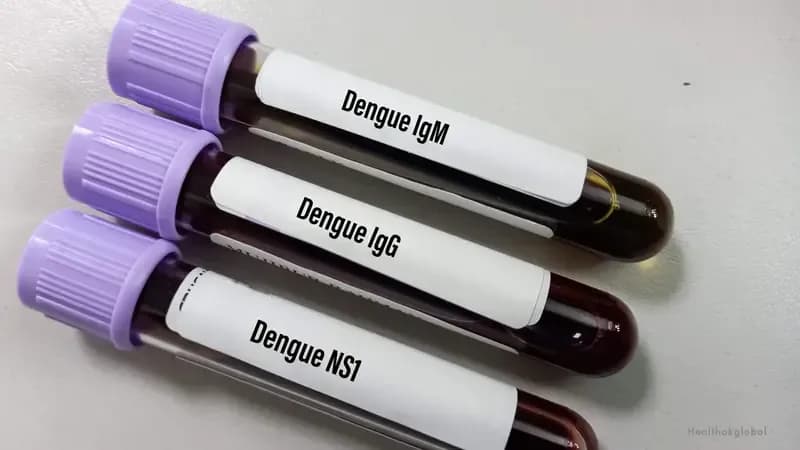
The NS1 antigen test detects the presence of the nonstructural protein 1 (NS1) antigen in the blood, which is produced by the dengue virus. Unlike other tests that detect antibodies, the NS1 antigen test can identify the virus early in the infection, often before symptoms appear.
Importance of Early Detection
Early detection of dengue fever is crucial for effective management and reducing the risk of severe complications. The NS1 antigen test allows healthcare providers to diagnose dengue fever within the first few days of infection, facilitating timely intervention and treatment.
Procedure of the NS1 Antigen Test
The NS1 antigen test involves a simple blood draw, which is then analyzed in a laboratory to detect the presence of the NS1 antigen. Here is a step-by-step overview of the procedure:
The patient is asked to sit or lie down comfortably. A healthcare professional cleans the area where the blood will be drawn, usually the arm.
Preparation
A needle is used to draw a blood sample from a vein in the arm. The sample is collected in a vial or test tube.
Blood Draw
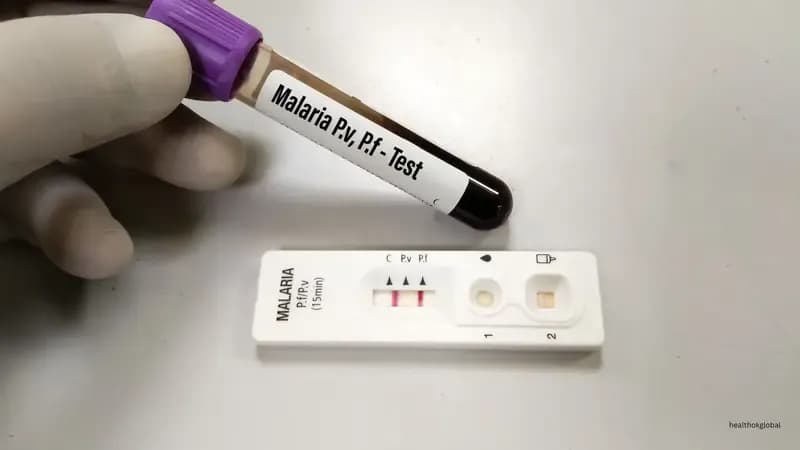
The blood sample is sent to a laboratory, where it is tested for the presence of the NS1 antigen using enzyme-linked immunosorbent assay (ELISA) or rapid test kits.
Laboratory Analysis
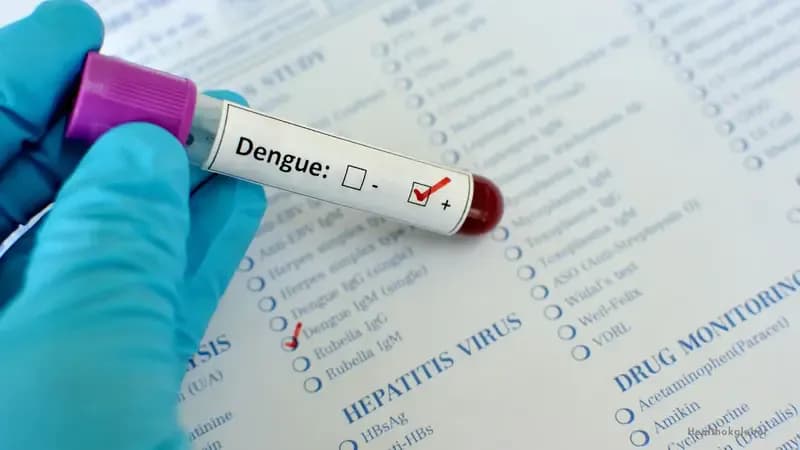
Results are typically available within a few hours to a day. A positive result indicates the presence of the dengue virus, while a negative result suggests the absence of the virus.
Results
Interpreting NS1 Antigen Test Results
Interpreting the results of the NS1 antigen test requires understanding the significance of positive and negative outcomes:
A positive NS1 antigen test result indicates an active dengue infection. Immediate medical attention is required to manage symptoms and prevent complications.
Positive Result
A negative result suggests the absence of the dengue virus. However, it is essential to consider the timing of the test, as testing too early or too late in the infection can yield false-negative results.
Negative Result
Advantages of the NS1 Antigen Test
The NS1 antigen test offers several advantages over other diagnostic methods for dengue fever:
The test can detect the virus early in the infection, often within the first few days of symptom onset.
Early Detection
The NS1 antigen test is highly sensitive and specific, making it a reliable diagnostic tool for dengue fever.
High Sensitivity and Specificity
Results are available quickly, allowing for prompt diagnosis and treatment.
Rapid Results
The test involves a simple blood draw, which is less invasive and more comfortable for patients compared to other diagnostic procedures.
Non-Invasive
Limitations of the NS1 Antigen Test
Despite its advantages, the NS1 antigen test has some limitations:
The test is most effective within the first 5 days of infection. Testing outside this window may yield false-negative results.
Timing of the Test
The test may show cross-reactivity with other flaviviruses, such as Zika virus, leading to false-positive results.
Cross-Reactivity
Next Steps After a Positive NS1 Antigen Test
If the NS1 antigen test is positive, immediate steps should be taken to manage the infection and prevent complications:
Seek immediate medical evaluation to assess the severity of the infection and determine the appropriate treatment plan.
Medical Evaluation
Ensure adequate hydration to prevent dehydration, a common complication of dengue fever.
Hydration
Manage symptoms with fever-reducing medications (avoid aspirin and NSAIDs) and pain relievers as recommended by a healthcare provider.
Symptom Management
Monitor the patient's condition closely, especially during the critical phase of the illness (days 3-7), to detect any signs of severe dengue or complications.
Monitoring
Prevention of Dengue Fever
Preventing dengue fever involves a combination of public health measures and individual actions to reduce mosquito exposure:
Remove standing water where mosquitoes breed, such as in flower pots, old tires, and containers.
Eliminate Breeding Sites
Apply mosquito repellents on exposed skin and clothing to prevent mosquito bites.
Use Mosquito Repellents
Wear long-sleeved shirts and long pants to reduce skin exposure to mosquitoes.
Wear Protective Clothing
Use mosquito nets while sleeping, especially in areas where dengue is common.
Install Mosquito Nets
Participate in community awareness programs to educate people about dengue prevention and control.
Community Awareness
Conclusion
The NS1 antigen test is the workhorse of early dengue diagnosis in India, particularly during the June-November transmission season. Its 1-5 day window is both its strength (catches infection before antibodies develop) and its limit (misses cases tested outside that window). Understanding when to use NS1 versus IgM antibody testing, and knowing that a negative NS1 in a symptomatic patient warrants either repeat testing or IgM addition, matters more than any single reading. If dengue is confirmed, monitoring for the platelet drop during the critical phase (day 4-7 of fever) is the highest-priority step, that is when severe dengue develops, not during the initial fever.
About Zocvi
Zocvi connects patients with verified doctors and evidence-based health guidance. Visit zocvi.com or reach us on WhatsApp at +91-92724-57637.






Comments (0)