
Introduction
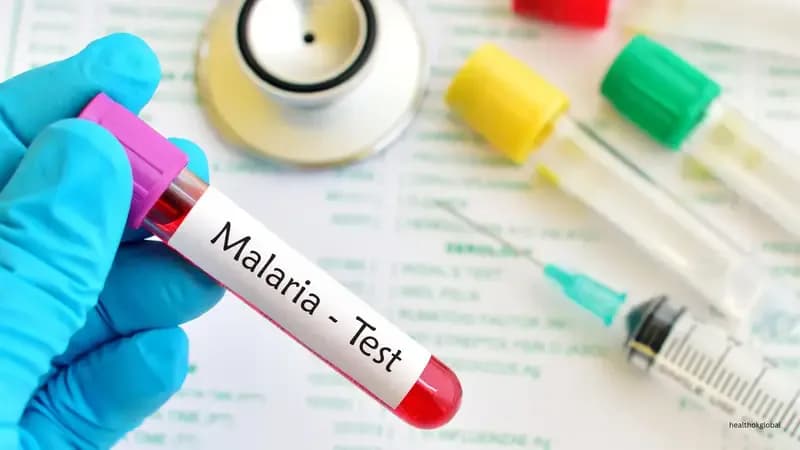
Malaria remains one of the world's most devastating infectious diseases. WHO reports well over 240 million cases and more than 600,000 deaths annually in recent years, with India accounting for the largest share of cases in the South-East Asia region. Early and accurate diagnosis is what separates a straightforward recovery from a severe or fatal case. Malaria is caused by Plasmodium parasites, transmitted through the bite of infected Anopheles mosquitoes. Because early symptoms mimic other Indian monsoon illnesses like dengue, chikungunya, and typhoid, choosing the right diagnostic test at the right stage of fever is not optional, it directly determines the treatment path.
Types of Diagnostic Tests for Malaria
There are multiple diagnostic tools available for malaria detection, each designed to cater to various clinical and infrastructural settings. The most prominent types include:
Microscopic Examination
This is the gold standard for malaria diagnosis. Blood samples are collected and stained (commonly with Giemsa) to prepare thick and thin smears. Thick smears help detect the presence of parasites, while thin smears help identify the specific Plasmodium species. Despite being cost-effective and accurate when performed by experienced technicians, this method requires well-maintained laboratory settings and trained microscopists.
Rapid Diagnostic Tests (RDTs)
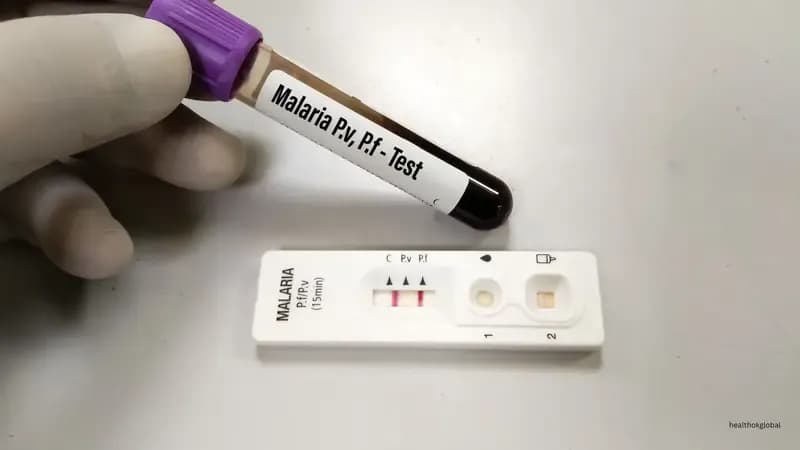
RDTs detect malaria-specific antigens in the blood using immunochromatographic methods. Results are available within 15–20 minutes, making them ideal for remote or resource-limited regions. They are especially useful in fieldwork or during malaria outbreaks. However, RDTs may not detect very low levels of parasitemia and might give false negatives in such cases.
Polymerase Chain Reaction (PCR)
PCR is a molecular diagnostic technique that identifies malaria DNA. It offers superior sensitivity and specificity, making it capable of detecting mixed-species infections and low parasitemia cases. PCR is often used in research settings and complex clinical scenarios. However, its limitations include high cost, the need for advanced equipment, and longer turnaround times.
Serological Tests
These tests detect antibodies against malaria parasites. While not effective for diagnosing active infections due to the persistence of antibodies post-infection, they are valuable for sero-epidemiological surveys and understanding past exposure trends within a population.
Emerging Technologies in Malaria Diagnosis
Newer technologies like Loop-Mediated Isothermal Amplification (LAMP) and mobile health (mHealth) diagnostic tools are gaining traction. These methods aim to offer faster, affordable, and decentralized malaria testing, especially critical in rural and underserved areas. As research advances, such innovations are expected to make accurate malaria detection more accessible globally.
Field Testing in Endemic Indian Regions
In endemic Indian states like Odisha, Chhattisgarh, Jharkhand, and the North-East, community-level field programmes typically combine RDTs with follow-up microscopy on RDT-positive cases. This combined approach meaningfully improves detection accuracy over RDTs alone, particularly for low-parasitemia infections that a rapid test can miss. Timely treatment initiated on the basis of accurate testing reduces the need for hospitalisation and improves recovery. The practical takeaway for anyone with fever in an endemic region: an RDT is a reasonable first test, but a negative RDT does not rule out malaria if fever and symptoms persist, insist on a blood smear.
Comparing Diagnostic Methods: Strengths and Limitations
Understanding the pros and cons of each testing method helps healthcare professionals select the most suitable option based on clinical settings, available resources, and urgency.
Microscopy vs. RDT vs. PCR
Accurate species identification and parasitemia quantification. However, it requires expertise and lab infrastructure.
Microscopy
Simple and quick with no need for lab infrastructure. Limited sensitivity in low-parasite cases.
Rapid Diagnostic Tests (RDTs)
Extremely sensitive and ideal for research or mixed infections. Expensive and less feasible in rural areas.
Polymerase Chain Reaction (PCR)
Why Accurate Malaria Diagnosis Matters
The implications of malaria misdiagnosis are severe. Here's why accurate testing is not optional, but essential:
Correct diagnosis ensures the right antimalarial is administered, improving patient outcomes and reducing complications.
1. Timely and Appropriate Treatment
Avoiding unnecessary use of antimalarials helps slow the rise of drug-resistant strains.
2. Preventing Antimalarial Resistance
Accurate data collection helps government programs track and respond to malaria hotspots effectively.
3. Disease Surveillance and Control
Early detection followed by immediate treatment significantly reduces death rates, especially among children and pregnant women.
4. Reducing Mortality Rates
Conclusion
Malaria testing choice matters more than most patients realise. In India, an RDT is a fast reasonable first step almost anywhere; a blood smear confirms species and parasite load; PCR settles unclear cases. The single most useful patient rule: if you have fever and symptoms consistent with malaria after being anywhere with mosquitoes, ask for a blood smear alongside any RDT, a negative rapid test is not the end of the workup.
About Zocvi
Zocvi connects patients with verified doctors and evidence-based health guidance. Visit zocvi.com or reach us on WhatsApp at +91-92724-57637.







Comments (0)