
Introduction
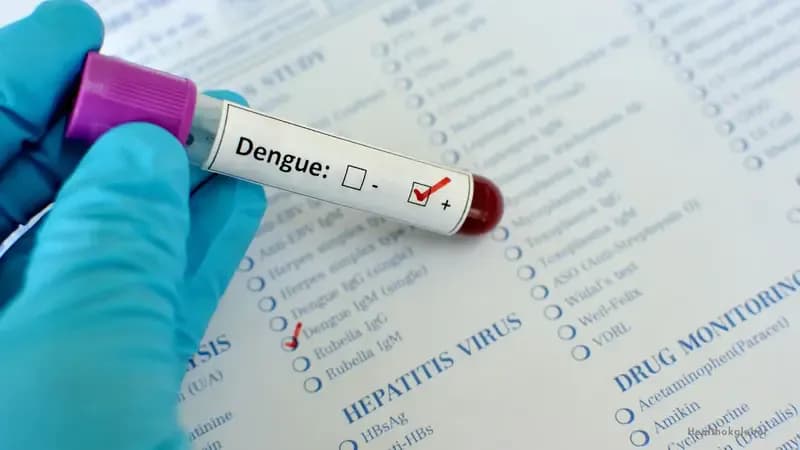
The Dengue NS1 test is a vital diagnostic tool used to detect the presence of the dengue virus early in the course of the disease. Dengue fever, caused by the dengue virus, is a mosquito-borne illness that can lead to severe complications if not diagnosed and treated promptly. The NS1 test helps in the early detection of dengue, allowing for timely medical intervention. This article explores the importance of the Dengue NS1 test, the procedure, and how to interpret the results.
What is the Dengue NS1 Test?
The Dengue NS1 test is designed to detect the non-structural protein 1 (NS1) antigen produced by the dengue virus. This protein is present in the blood during the early stages of the infection, making it a valuable marker for early diagnosis. The NS1 test can be performed within the first few days of symptom onset, often before antibodies are detectable. This early detection is crucial for effective management and treatment of dengue fever.
Importance of Early Detection
Early detection of dengue fever is critical for several reasons:
Identifying the dengue virus early allows for prompt medical treatment, reducing the risk of severe complications such as dengue hemorrhagic fever (DHF) and dengue shock syndrome (DSS).
Timely Medical Intervention
Early diagnosis helps in isolating the patient and taking preventive measures to control the spread of the virus, especially in areas with high mosquito populations.
Preventing Spread
Early treatment can alleviate symptoms more effectively and improve overall patient outcomes, reducing the likelihood of hospitalization and severe disease progression.
Improved Patient Outcomes
Procedure of the Dengue NS1 Test
The Dengue NS1 test is a simple blood test that can be performed in a clinical setting. Here is an overview of the procedure:
A blood sample is collected from the patient, typically through venipuncture (drawing blood from a vein).
Sample Collection
The blood sample is then tested for the presence of the NS1 antigen using an enzyme-linked immunosorbent assay (ELISA) or rapid test kits. These tests are designed to detect the NS1 protein with high specificity and sensitivity.
Testing Method
Results are usually available within a few hours to a day. A positive result indicates the presence of the dengue virus, while a negative result may require further testing, especially if symptoms persist.
Result Interpretation
Interpreting the Results
Interpreting the results of the Dengue NS1 test requires understanding the context of the patient's symptoms and the timing of the test:
A positive NS1 test indicates an active dengue infection. Immediate medical attention is required to manage symptoms and prevent complications.
Positive Result
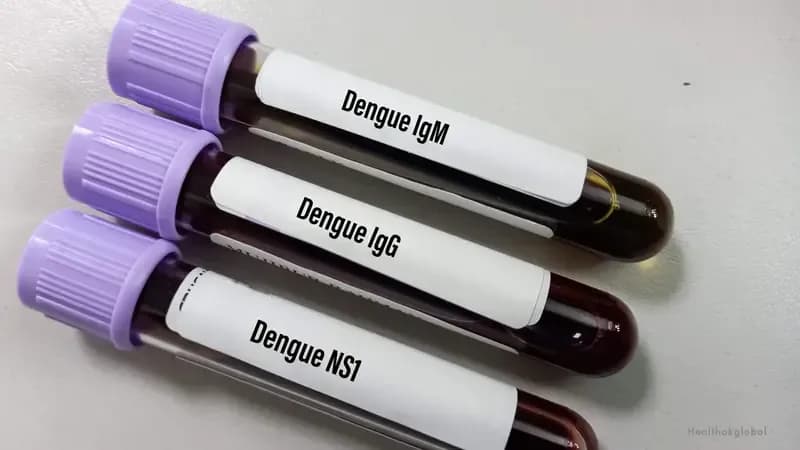
A negative NS1 test does not rule out dengue completely, especially if the test was performed after the first few days of symptoms. Additional tests, such as IgM and IgG antibody tests, may be necessary to confirm the diagnosis.
Negative Result
False positives and negatives can occur, although they are rare. Factors such as the quality of the test kit and the timing of the test can influence accuracy. Clinicians often use a combination of tests and clinical evaluation to diagnose dengue accurately.
False Positives and Negatives
Treatment and Management
While there is no specific antiviral treatment for dengue, early diagnosis through the NS1 test allows for effective symptomatic management:
Maintaining proper hydration is crucial to prevent dehydration and manage symptoms.
Fluid Management
Pain relievers such as acetaminophen can help manage fever and pain. Avoid NSAIDs like ibuprofen and aspirin, as they can increase the risk of bleeding.
Pain and Fever Relief
Regular monitoring of blood pressure, platelet counts, and overall health is essential. Severe cases may require hospitalization for supportive care, including intravenous fluids and blood transfusions.
Monitoring and Supportive Care
Prevention of Dengue
Preventing dengue involves measures to reduce mosquito populations and protect individuals from mosquito bites:
Eliminating standing water where mosquitoes breed, using insecticides, and introducing natural predators can help control mosquito populations.
Mosquito Control
Using mosquito repellents, wearing protective clothing, and using mosquito nets can reduce the risk of bites.
Personal Protection
Educating communities about dengue prevention and encouraging participation in mosquito control programs are vital for reducing the incidence of dengue.
Community Awareness
Conclusion
The dengue NS1 test is the fastest way to catch dengue early, within the first five days of fever, before your body has produced detectable antibodies. If you have fever during monsoon season anywhere in India, ask your doctor about NS1 testing without waiting for symptoms to worsen. A positive result triggers proper monitoring; a negative result on day 1-3 is not a clean bill of health if fever persists, repeat testing or IgM antibody testing is often the next step.
About Zocvi
Zocvi connects patients with verified doctors and evidence-based health guidance. Visit zocvi.com or reach us on WhatsApp at +91-92724-57637.






Comments (0)