

Introduction
The Dengue NS1 antigen is a non-structural protein produced by the dengue virus during the early stages of infection. It plays a crucial role in the pathogenesis of dengue fever, a mosquito-borne viral disease prevalent in tropical and subtropical regions. The presence of the NS1 antigen in the blood can be detected as early as one day after the onset of symptoms, making it a valuable marker for early diagnosis. The NS1 antigen test is particularly useful because it allows for the detection of the dengue virus before the body has produced a detectable level of antibodies. This early detection is critical for timely medical intervention and effective management of the disease.
The Importance of Early Diagnosis in Dengue Fever
Early diagnosis of dengue fever is essential for several reasons. It enables healthcare providers to initiate appropriate treatment promptly, reducing the risk of complications such as dengue hemorrhagic fever and dengue shock syndrome. Additionally, early diagnosis helps in implementing public health measures to control the spread of the virus.
Early detection through the NS1 antigen test allows for timely medical intervention, which can significantly reduce the severity of the disease and prevent complications.
Timely Treatment:
Identifying and isolating dengue cases early helps in controlling the spread of the virus, especially in densely populated areas.
Preventing Outbreaks:
Early diagnosis allows for continuous monitoring of the patient, ensuring that any signs of deterioration are addressed promptly.
Monitoring Disease Progression:
How the Dengue NS1 Antigen Test Works
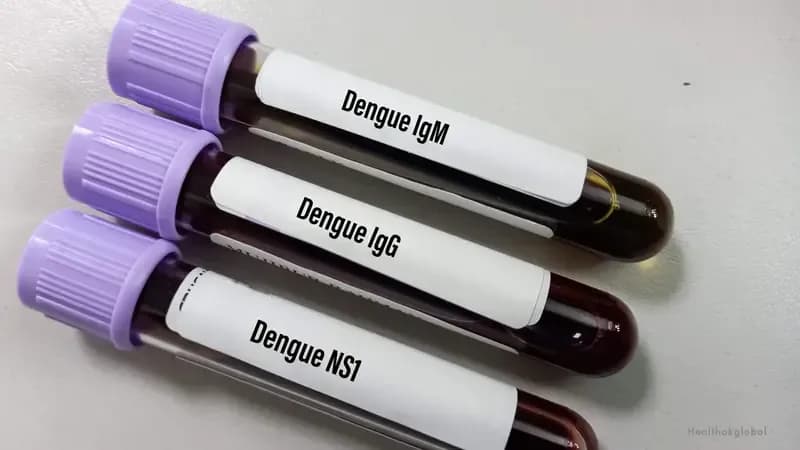
The Dengue NS1 antigen test is a simple blood test that detects the presence of the NS1 protein in the patient's blood. The test can be performed using various methods, including enzyme-linked immunosorbent assay (ELISA), rapid diagnostic tests (RDTs), and immunochromatographic tests.
A blood sample is collected from the patient, usually through a vein in the arm.
Sample Collection:
The blood sample is analyzed in a laboratory to detect the presence of the NS1 antigen. This can be done using ELISA, which provides quantitative results, or RDTs, which offer qualitative results.
Laboratory Analysis:
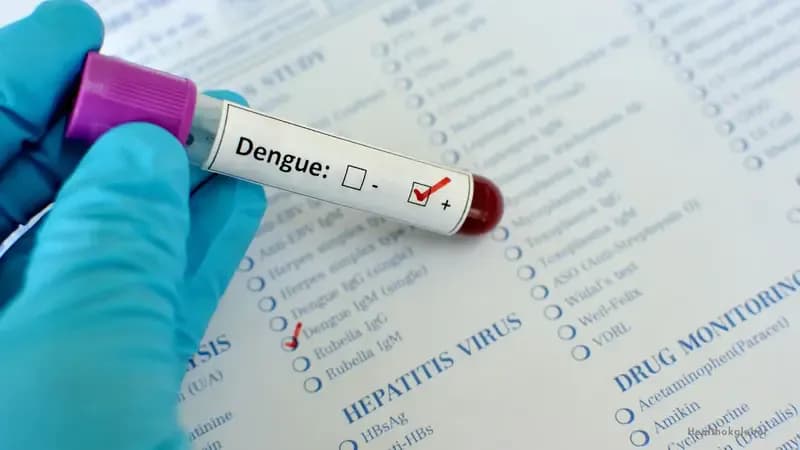
Positive results indicate the presence of the dengue virus, confirming an active infection. Negative results may require further testing, especially if symptoms persist.
Result Interpretation:
Advantages of the Dengue NS1 Antigen Test
The NS1 antigen test offers several advantages over traditional antibody tests, particularly in the early stages of dengue infection.
The NS1 antigen can be detected as early as one day after the onset of symptoms, providing a crucial head start in the management of dengue fever.
Early Detection:
The test is highly sensitive and specific, reducing the likelihood of false positives and negatives.
High Sensitivity and Specificity:
Many rapid diagnostic tests can provide results within a few hours, allowing for quick decision-making and treatment.
Rapid Results:
Clinical Implications of the Dengue NS1 Antigen Test
The detection of the NS1 antigen has significant clinical implications for patient care and disease management. It aids in confirming the diagnosis, differentiating dengue from other febrile illnesses, and guiding treatment decisions.
The NS1 antigen test is a reliable method for confirming dengue fever, especially in the early stages when other tests may not be conclusive.
Confirming Diagnosis:
Dengue fever shares symptoms with other tropical diseases such as malaria and chikungunya. The NS1 antigen test helps in differentiating these conditions, ensuring appropriate treatment.
Differentiating Febrile Illnesses:
Early diagnosis allows healthcare providers to initiate supportive care and monitor patients closely for signs of severe dengue, improving outcomes.
Guiding Treatment:
Limitations and Challenges of the Dengue NS1 Antigen Test
While the NS1 antigen test is a valuable tool for early diagnosis, it has certain limitations and challenges that need to be considered.
The NS1 antigen is most detectable during the early stages of infection, typically within the first five days. After this period, antibody tests may be required to confirm the diagnosis.
Limited Detection Window:
The performance of the NS1 antigen test can vary depending on the method used and the quality of the test kits. Ensuring the use of validated and reliable tests is crucial.
Variability in Test Performance:
In some cases, the NS1 antigen test may show cross-reactivity with other flaviviruses, potentially leading to false-positive results. Confirmatory testing with other methods may be necessary.
Cross-Reactivity:
When to Get Tested for the Dengue NS1 Antigen
Patients presenting with symptoms of dengue fever should consider getting tested for the NS1 antigen, especially if they are in or have recently traveled to an area where dengue is endemic.
Fever, headache, muscle and joint pain, rash, and nausea are early symptoms of dengue fever. Testing for the NS1 antigen can confirm the diagnosis.
Early Symptoms:
Individuals living in or traveling to regions with ongoing dengue outbreaks should be vigilant and get tested if symptoms appear.
High-Risk Areas:
In many tropical and subtropical regions, dengue cases peak during the rainy season. Increased vigilance and testing during this period can help in early detection and control.
During Dengue Season:
Conclusion
The Dengue NS1 antigen test is a vital tool for the early diagnosis of dengue fever, offering significant advantages in timely treatment and disease management. Understanding the importance, procedure, and clinical implications of this test can aid in better management of dengue fever and reduce the burden of this disease on public health. Early diagnosis through the NS1 antigen test can save lives and prevent severe complications, making it an indispensable part of dengue fever management.







Comments (0)