
Introduction
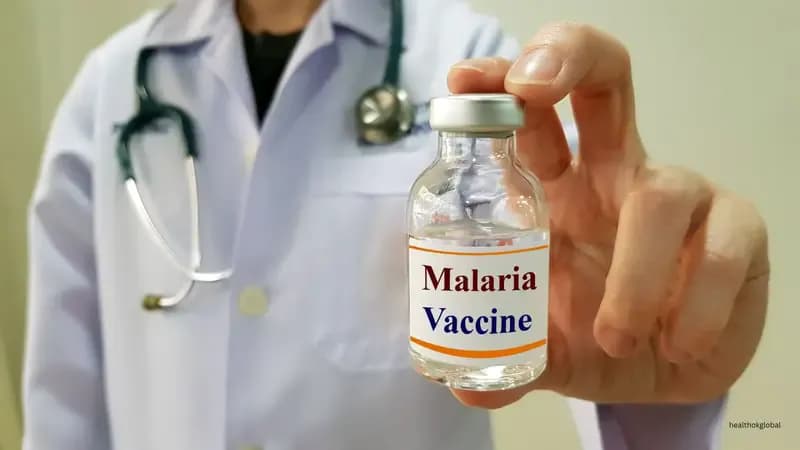
A comprehensive nursing care plan for malaria involves assessing patient needs, providing appropriate interventions, and monitoring progress. Malaria is a life-threatening disease caused by Plasmodium parasites transmitted through the bites of infected Anopheles mosquitoes. Effective nursing care is crucial in managing malaria and preventing complications.
Assessment of Patient Needs
The first step in developing a nursing care plan for malaria is a thorough assessment of the patient's condition. This includes gathering information about symptoms, medical history, travel history, and any previous episodes of malaria. Key aspects of the assessment include evaluating vital signs, identifying signs of dehydration, and assessing the level of consciousness.
Nursing Diagnoses for Malaria
Based on the assessment findings, several nursing diagnoses may be relevant for patients with malaria, including:
Related to the fever caused by the malaria infection.
1. Hyperthermia
Related to dehydration from fever, sweating, and decreased fluid intake.
2. Fluid Volume Deficit
Related to the destruction of red blood cells by the malaria parasites.
3. Impaired Tissue Perfusion
Related to low platelet count and impaired clotting.
4. Risk for Bleeding
Related to muscle and joint pain caused by malaria.
5. Acute Pain
Nursing Interventions for Malaria
Effective nursing interventions are crucial for managing malaria and promoting recovery. Key interventions include:
Administer antipyretics as prescribed and use cooling measures to manage fever.
1. Temperature Management
Encourage fluid intake and administer intravenous fluids as needed to prevent dehydration.
2. Hydration
Administer antimalarial drugs as prescribed and monitor for side effects.
3. Medication Administration
Provide pain relief measures such as analgesics and comfort measures.
4. Pain Management
Regularly monitor vital signs, fluid balance, and laboratory results. Document all assessments and interventions.
5. Monitoring and Documentation
Patient Education
Educating patients and their families about malaria, its symptoms, treatment, and prevention is an important aspect of nursing care. Key points to cover include the importance of completing the full course of antimalarial treatment, recognizing signs of complications, and preventive measures to avoid mosquito bites.
Rehabilitation and Follow-Up
After the acute phase of malaria, patients may require rehabilitation and follow-up care to ensure complete recovery. This can include nutritional support, physical therapy, and regular medical check-ups to monitor for any potential relapse or complications.
Conclusion
A comprehensive nursing care plan for malaria involves a thorough assessment of the patient's condition and the development of a tailored care plan. By identifying the key symptoms, risk factors, and appropriate interventions, healthcare professionals can effectively manage malaria and promote patient recovery. Continued education and research are essential for improving the diagnosis and management of malaria, ultimately reducing its impact on patients and healthcare systems.
About Zocvi
Zocvi connects patients with verified doctors and evidence-based health guidance. Visit zocvi.com or reach us on WhatsApp at +91-92724-57637.



Comments (0)