
Introduction
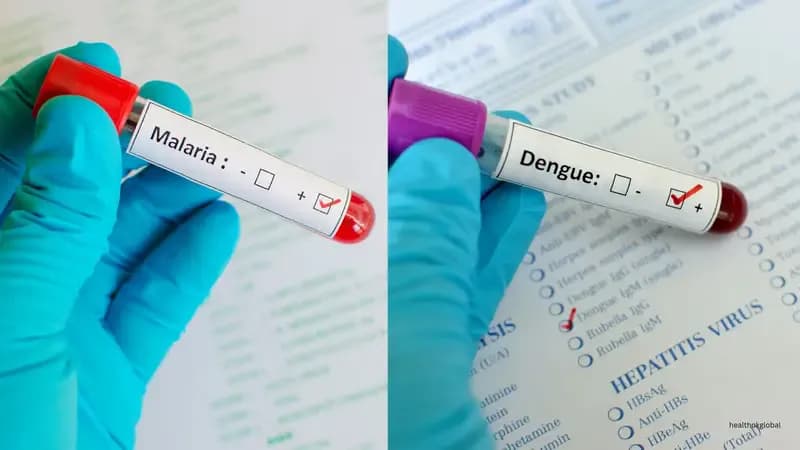
Malaria and dengue are two significant vector-borne diseases that affect millions of people globally. Both diseases are transmitted through mosquito bites but differ in their causative agents, symptoms, and treatment strategies. Understanding the differences and similarities in their symptoms is crucial for prompt diagnosis and effective treatment. This comprehensive guide explores the symptoms of malaria and dengue, highlighting their key features and aiding in their differentiation.
Overview of Malaria and Dengue
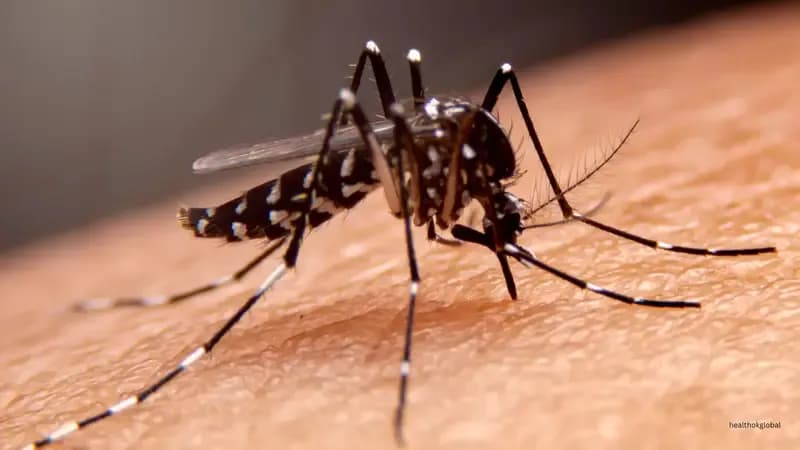
Malaria is caused by Plasmodium parasites, with Plasmodium falciparum being the most dangerous species. It is transmitted by the bite of infected female Anopheles mosquitoes. Dengue, on the other hand, is caused by the dengue virus, which has four serotypes (DENV-1 to DENV-4), and is transmitted by Aedes mosquitoes, primarily Aedes aegypti.
Symptoms of Malaria
The symptoms of malaria can vary depending on the species of Plasmodium and the individual's immunity. Common symptoms include:
One of the hallmark symptoms of malaria is fever, which can be intermittent or continuous. The fever often follows a pattern with chills and sweats.
1. Fever
Patients typically experience severe chills followed by sweating as the fever resolves. This cycle can repeat every 48 to 72 hours, depending on the Plasmodium species.
2. Chills and Sweats
Severe headaches are common in malaria and can be debilitating.
3. Headache
Muscle and joint pain are frequent symptoms, contributing to the overall discomfort and fatigue.
4. Muscle and Joint Pain
Nausea and vomiting are often present, especially in severe cases.
5. Nausea and Vomiting
The destruction of red blood cells by the parasite leads to anemia, which can cause pallor, weakness, and shortness of breath.
6. Anemia
In severe cases, jaundice can occur due to the breakdown of red blood cells and liver dysfunction.
7. Jaundice
Symptoms of Dengue
Dengue presents with a wide range of symptoms, often categorized into dengue fever, dengue hemorrhagic fever (DHF), and dengue shock syndrome (DSS). Common symptoms include:
Dengue fever typically begins with a sudden high fever that can reach up to 104°F (40°C).
1. High Fever
A severe headache, especially behind the eyes, is a characteristic symptom of dengue.
2. Severe Headache
Pain behind the eyes (retro-orbital pain) is a distinctive feature of dengue.
3. Pain Behind the Eyes
Severe muscle and joint pains, often referred to as 'breakbone fever,' are common in dengue.
4. Muscle and Joint Pain
Similar to malaria, nausea and vomiting can occur in dengue.
5. Nausea and Vomiting
A skin rash may appear 2-5 days after the fever starts. It can be itchy and typically starts on the face before spreading to other parts of the body.
6. Skin Rash
Mild bleeding symptoms, such as nosebleeds, gum bleeding, or easy bruising, can occur in dengue fever. These symptoms are more pronounced in DHF.
7. Mild Bleeding
In severe cases, dengue can progress to DHF and DSS, which include severe abdominal pain, persistent vomiting, rapid breathing, bleeding, and shock. These conditions require immediate medical attention.
8. Severe Symptoms (DHF and DSS)
Comparing the Symptoms of Malaria and Dengue
While both malaria and dengue share some overlapping symptoms, such as fever, headache, and muscle pain, there are distinct differences that can help in differentiation:
Malaria often has a cyclical fever pattern with chills and sweats, whereas dengue fever is typically continuous and high without a specific pattern.
1. Fever Pattern
While both diseases cause headaches and muscle pain, dengue is more likely to cause pain behind the eyes and severe joint pains.
2. Pain Location
A skin rash is more commonly associated with dengue than malaria.
3. Skin Rash
Bleeding symptoms, such as nosebleeds and gum bleeding, are more characteristic of dengue, especially in severe cases.
4. Bleeding Symptoms
Anemia and jaundice are more commonly associated with malaria due to the destruction of red blood cells.
5. Anemia and Jaundice
Diagnosis of Malaria and Dengue
Accurate diagnosis is essential for appropriate treatment. Diagnostic methods include:
Microscopic examination of blood smears, rapid diagnostic tests (RDTs), and polymerase chain reaction (PCR) tests are used to diagnose malaria.
1. Malaria Diagnosis
Dengue is diagnosed through blood tests that detect the virus, its components, or antibodies against the virus. Tests include the NS1 antigen test, PCR, and serological tests for IgM and IgG antibodies.
2. Dengue Diagnosis
Treatment of Malaria and Dengue
The treatment approaches for malaria and dengue differ significantly:
Antimalarial medications, such as chloroquine, artemisinin-based combination therapies (ACTs), and quinine, are used to treat malaria. The choice of drug depends on the Plasmodium species and resistance patterns.
1. Malaria Treatment
There are no specific antiviral medications for dengue. Treatment is primarily supportive, including fluids, pain relief, and management of complications such as bleeding and shock.
2. Dengue Treatment
Prevention of Malaria and Dengue
Preventing malaria and dengue involves mosquito control and personal protective measures:
Measures such as insecticide-treated bed nets (ITNs), indoor residual spraying (IRS), and environmental management to reduce mosquito breeding sites are crucial for both diseases.
1. Mosquito Control
Using mosquito repellents, wearing long-sleeved clothing, and sleeping under bed nets help reduce the risk of mosquito bites.
2. Personal Protection
Travelers to malaria-endemic areas may be prescribed antimalarial medications to prevent infection.
3. Prophylactic Medications (Malaria)
The dengue vaccine (Dengvaxia) is available in some countries for individuals who have had a previous dengue infection and live in endemic areas.
4. Vaccination (Dengue)
Conclusion
Understanding the symptoms of malaria and dengue is essential for timely diagnosis and treatment. While both diseases share some similarities, their differences in symptom patterns and severity can aid in differentiation. Awareness and prevention strategies are key to reducing the impact of these vector-borne diseases. Stay informed and take proactive measures to protect yourself and your community from malaria and dengue.
About Zocvi
Zocvi connects patients with verified doctors and evidence-based health guidance. Visit zocvi.com or reach us on WhatsApp at +91-92724-57637.




Comments (0)