Understanding Dengue Test: Importance, Types, and Procedures

Understanding Dengue Test: Importance, Types, and Procedures

Overview

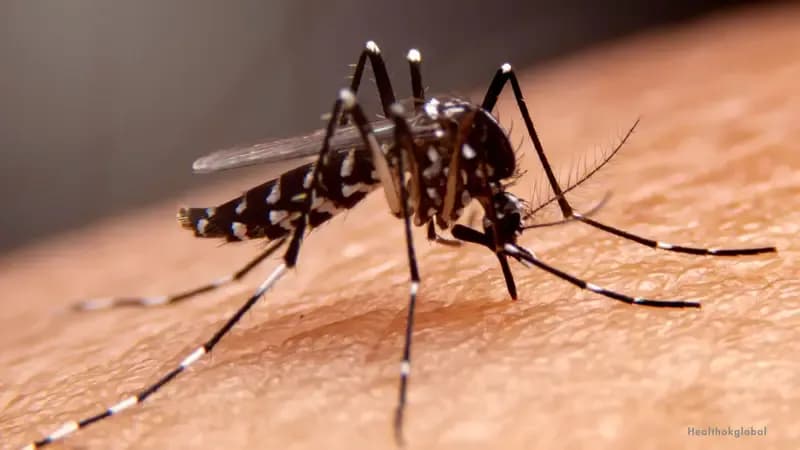
Dengue fever is a mosquito-borne viral infection causing severe flu-like symptoms.

Introduction

Dengue fever is a mosquito-borne viral infection causing severe flu-like symptoms. Prompt and accurate diagnosis through dengue testing is crucial for effective management and recovery. This article delves into the importance, types, and procedures of dengue tests, providing a comprehensive understanding for better health management.

Importance of Dengue Test

Dengue fever can lead to severe complications if not diagnosed early. The importance of dengue testing lies in its ability to:
Dengue tests are essential for confirming the presence of the virus in the bloodstream. Early diagnosis helps in initiating timely treatment, reducing the risk of complications.

Confirm the Presence of Infection:

Monitoring the levels of dengue-specific antibodies or antigens in the blood helps healthcare providers assess the progression of the disease. This is vital for adjusting treatment plans and ensuring effective management.

Monitor Disease Progression:

Dengue fever shares symptoms with several other infections, such as malaria and typhoid. Specific dengue tests help differentiate dengue from these illnesses, ensuring accurate diagnosis and appropriate treatment.

Differentiate from Other Illnesses:

Accurate dengue testing contributes to public health surveillance efforts. Tracking the incidence and spread of dengue helps authorities implement control measures to prevent outbreaks.

Public Health Surveillance:

Types of Dengue Tests

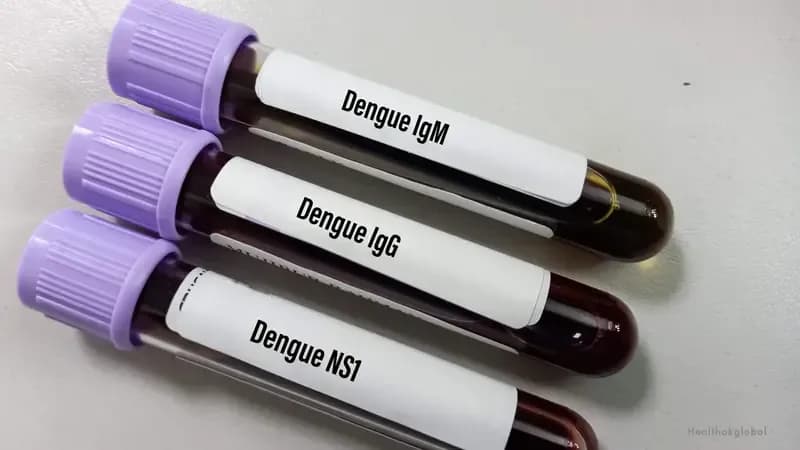
Several types of tests are available to diagnose dengue fever, each with its unique method and purpose. The primary types of dengue tests include:
Procedure: A blood sample is taken from the patient and analyzed for the presence of the NS1 antigen. The test can be performed using rapid diagnostic test kits or laboratory-based enzyme-linked immunosorbent assays (ELISA). Advantages: The NS1 antigen test is quick and can provide results within a few hours. It is highly specific and sensitive during the acute phase of dengue infection. Limitations: The test may not detect the virus in later stages of infection when the NS1 antigen levels decline.

NS1 Antigen Test:

Procedure: A blood sample is collected and subjected to PCR analysis in a laboratory. The test amplifies viral RNA, making it detectable even in low concentrations. Advantages: PCR tests are highly accurate and can confirm dengue infection within the first few days of symptom onset. They can also identify the specific dengue serotype, aiding in epidemiological studies. Limitations: PCR tests require specialized laboratory equipment and trained personnel, making them less accessible in resource-limited settings. Results may take longer compared to rapid tests.

PCR Test:

Procedure: A blood sample is taken and analyzed using ELISA kits. The test identifies the presence of IgM antibodies, which appear early in infection, and IgG antibodies, which appear later and persist for months. Advantages: ELISA tests are widely available and can differentiate between primary and secondary dengue infections based on antibody levels. Limitations: The test may not detect the virus in the very early stages of infection before antibodies are produced. False positives can occur due to cross-reactivity with other flaviviruses.

ELISA Test:

Dengue Test Procedure

Understanding the dengue test procedure can help alleviate patient anxiety and ensure proper sample collection and handling.
1. Fasting: Generally, fasting is not required for dengue tests. However, patients should follow specific instructions provided by their healthcare provider. 2. Hydration: Staying hydrated can make blood collection easier.

Preparation:

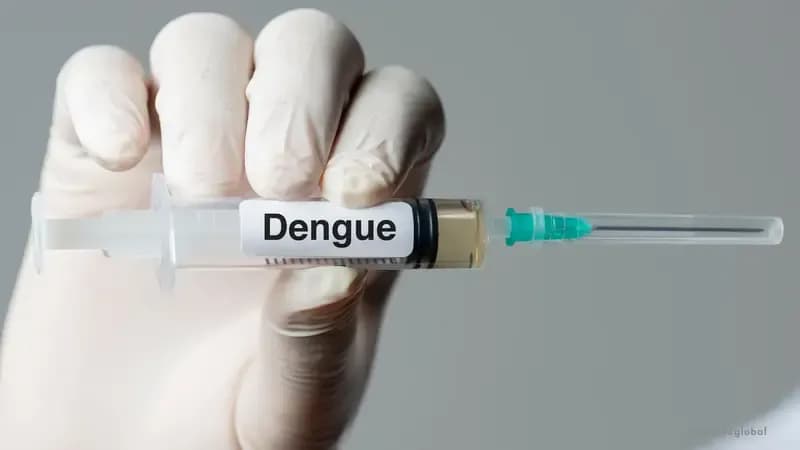
1. Blood Sample: A healthcare professional will draw a blood sample from a vein, usually in the arm. The process involves cleaning the area with an antiseptic, inserting a needle, and collecting the blood into a vial or syringe. 2. Handling: The blood sample is labeled and sent to the laboratory for analysis.

Sample Collection:

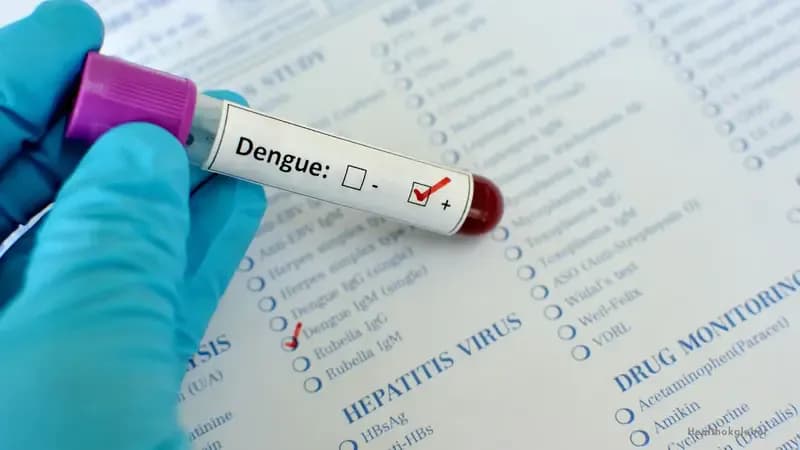
1. Laboratory Analysis: Depending on the type of test, the laboratory will analyze the sample for dengue antigens, viral RNA, or antibodies. 2. Result Interpretation: Test results are interpreted by a healthcare provider. Positive results indicate a dengue infection, while negative results may require further testing if symptoms persist.

Analysis and Results:

Conclusion

Dengue tests are critical for the timely diagnosis and effective management of dengue fever. Understanding the different types of dengue tests, their procedures, and their importance can empower patients and healthcare providers to take appropriate actions. Early diagnosis through NS1 antigen, PCR, and ELISA tests can significantly reduce the risk of complications and improve patient outcomes. If you experience symptoms of dengue fever, consult a healthcare provider promptly and undergo the necessary tests for accurate diagnosis and treatment. Regular monitoring and consultation with healthcare providers are essential for early detection and management of dengue-related conditions. Ensuring health through proper testing and timely medical intervention can lead to better overall health and well-being.


Frequently Asked Questions

Which dengue test should I get and when — NS1, IgM, IgG, or PCR?

Test selection depends on timing of illness: (1) DAY 1-5 of fever (early illness) — NS1 ANTIGEN test is BEST; detects dengue viral protein in blood before antibodies form; sensitivity 70-90% days 1-3, drops after day 5; sample = single blood draw; (2) DAY 5+ of fever — IgM antibody test becomes positive; detects immune response; specific for recent infection; (3) IgG antibody — high in secondary dengue (previous dengue + new infection) — indicates increased severity risk; useful in outbreak epidemiology; (4) RT-PCR (viral RNA) — most accurate early (day 1-5) but expensive; typically reserved for confirmed severe cases, atypical presentations, research; not routine; (5) NS1 + IgM combination panel — covers both early and later phases; commonly ordered when timing unclear. ADDITIONAL essential tests during dengue: (1) CBC with platelet count — repeat every 12-24 hours; watch for drop below 100,000 (warning), below 20,000 (bleeding risk); (2) Hematocrit — rising Hct indicates plasma leakage (severe dengue warning); (3) LFT — elevated in most dengue; hepatitis component; (4) Coagulation profile if bleeding suspected. Modern dengue management is guided by daily monitoring, not just diagnostic test at admission.

What are dengue warning signs to watch for during illness?

Dengue phases and warning signs: FEBRILE PHASE (Days 1-3): sudden high fever 39-40°C, severe body ache, headache, retro-orbital pain, joint pain (‘breakbone fever’), nausea, vomiting, rash. Most patients recover from here. CRITICAL PHASE (Days 3-6): as fever DECREASES (defervescence), 5-10% develop severe complications — PLASMA LEAKAGE. Warning signs of severe dengue: (1) Persistent vomiting (>3 episodes in hour); (2) Severe abdominal pain (constant, not just cramping); (3) Bleeding — nose, gums, bruising, blood in vomit/stool/urine, menstrual excess; (4) Restlessness or lethargy; (5) Cold clammy extremities; (6) Rapid weak pulse, drop in BP; (7) Difficulty breathing; (8) Marked drop in platelet count (<50,000); (9) Rising hematocrit >20%; (10) Reduced urine output. RECOVERY PHASE (Days 6-10): fluid reabsorbs, rash may recur, gradual improvement. When to seek emergency care immediately: any of the warning signs above; especially if fever suddenly drops but patient appears WORSE (not better) — critical phase warning; sudden severe abdominal pain; bleeding from any site; altered mental state; dizziness on standing. India-specific: dengue outbreaks worst in monsoon (July-October); Bangalore, Delhi, Kolkata, Chennai, Ahmedabad among high-burden cities; mosquito breeding in stored water containers (bucket, cooler, flower pot, tyre); Aedes mosquito bites during daytime especially early morning + late afternoon; use repellent (DEET 20-30% or picaridin), full-sleeve clothing, mosquito nets.

How is dengue treated — do platelets need transfusion?

Dengue treatment is supportive — NO specific antiviral: (1) FLUIDS are the cornerstone — oral in mild cases (WHO ORS, coconut water, dal ka pani, buttermilk, fresh fruit juice), IV in severe cases (crystalloids like Ringer’s lactate); careful fluid balance critical — under-hydration + shock danger, over-hydration + pulmonary oedema danger; (2) PARACETAMOL for fever (500-1000mg every 4-6 hours, max 4g/day); AVOID aspirin, ibuprofen, other NSAIDs (increase bleeding risk); AVOID intramuscular injections (haematoma risk); (3) MONITORING — daily CBC (platelet + hematocrit), symptom assessment, fluid intake/output balance, vital signs; frequency depends on severity; (4) HOSPITALISATION indicated for: any warning sign, high-risk patients (pregnancy, elderly, comorbidities), inability to maintain oral hydration, platelet count <50,000. PLATELET TRANSFUSION — commonly over-used; guidelines: (1) Platelet transfusion NOT indicated for count alone (up to 20,000-30,000 without bleeding — no transfusion needed); (2) Indicated for: active bleeding + thrombocytopenia; platelet count <10,000 with high-risk factors; before invasive procedures; (3) Random donor platelets are less expensive but need multiple units to raise count meaningfully; single donor platelets (SDP) are more expensive; (4) Papaya leaf extract — no strong evidence but widely used; likely safe; do NOT replace medical care. FLUID MANAGEMENT: crystalloids first-line; colloids if inadequate response; blood transfusion if bleeding-related anaemia. RECOVERY: most uncomplicated cases recover 7-10 days; fatigue can persist weeks. Post-dengue: rare complications include prolonged fatigue, joint pain, hair loss; secondary dengue increases severity risk — dengue vaccination (Dengvaxia, QDenga) only for previously infected individuals in specific contexts.

Questions About This Article

Have a question? Ask the author directly.

Have a question about this article?

Ask Zocvi Editorial directly. Your question may help others with similar concerns.

Q:1 answer
Q:1 answer
Q:1 answer

Comments (0)

Found this helpful? Share it!

LinkedInWhatsApp

More from Zocvi Editorial

Other Articles You May Like

Find a Doctor for Vector-Borne Diseases

Verified specialists across India

Dr. Gyaneshwar

General Physician

Dehradun

Family Clinic, Rajhans Plaza
Kulhan, Dehradun, Uttarakhand, 248013
Fee on request

Dr. Sushma Jadhav

Book Online

General Physician

22 yrs

Pune

SarvAadi Health and Geriatic Clinic
Laxman Nagar, Baner, Pune, Pune, Maharashtra, 411045
₹500 consultation
EmailWhatsApp

Dr. Sonal Jain

General Physician

16 yrs

Hyderabad

Dr. Sonal's Health Care Centre
Devi Laxmi Bagh, Hyderabad, Telangana, 500029
₹600 consultation

Dr. Arvind Agarwal

General Physician

41 yrs

Bareilly

Tiwari Market, Opposite Ram Janki Mandir, Janakpuri
Janakpuri, Bareilly, Uttar Pradesh, 243122
₹600 consultation