
Introduction
Dengue and malaria are two of the most common mosquito-borne diseases affecting millions of people worldwide. Despite sharing some similarities, they are caused by different pathogens and have distinct symptoms, complications, and treatments. This blog aims to provide a comprehensive comparison between dengue and malaria, helping you understand their differences and their impact on health.
Causes
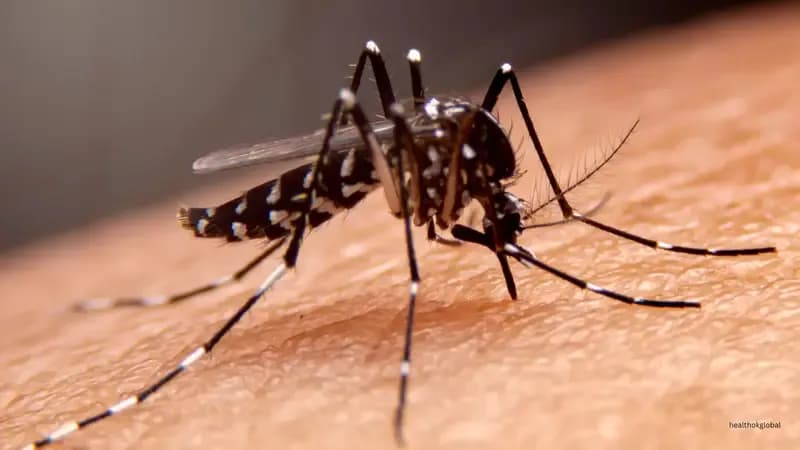
Dengue is caused by the dengue virus, which is transmitted by Aedes mosquitoes. There are four serotypes of the dengue virus: DEN-1, DEN-2, DEN-3, and DEN-4. Malaria, on the other hand, is caused by Plasmodium parasites, which are transmitted by Anopheles mosquitoes. The four species of Plasmodium that cause malaria in humans are P. falciparum, P. vivax, P. ovale, and P. malariae.
Symptoms
While both diseases share some common symptoms such as fever, headache, and body aches, there are notable differences. Dengue symptoms include severe joint and muscle pain, rash, and mild bleeding. In severe cases, it can lead to dengue hemorrhagic fever (DHF) or dengue shock syndrome (DSS). Malaria symptoms include high fever, chills, sweating, nausea, vomiting, and anemia. Severe malaria can lead to complications such as cerebral malaria, acute respiratory distress syndrome (ARDS), and organ failure.
Diagnosis
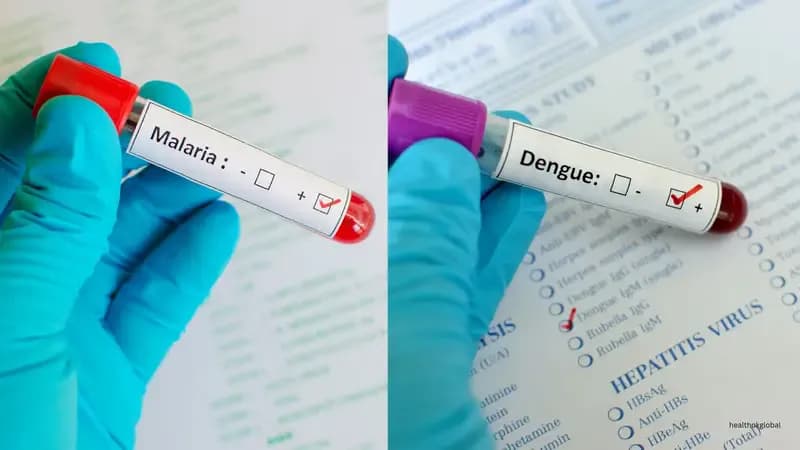
Diagnosis of dengue is typically confirmed through blood tests that detect the virus or antibodies. These tests include the NS1 antigen test, IgM and IgG antibody tests, and PCR tests. Malaria diagnosis involves blood tests to detect the presence of Plasmodium parasites. These tests include thick and thin blood smears, rapid diagnostic tests (RDTs), and PCR tests.
Treatment
There is no specific antiviral treatment for dengue. Management focuses on relieving symptoms through pain relievers, fluid intake, and rest. In severe cases, hospitalization and supportive care are necessary. Malaria treatment depends on the Plasmodium species and the severity of the infection. Common antimalarial drugs include chloroquine, artemisinin-based combination therapies (ACTs), and quinine.
Prevention
Preventing mosquito bites is crucial for both diseases. Measures include using insect repellent, wearing long-sleeved clothing, using bed nets, and eliminating mosquito breeding sites. Additionally, there are vaccines available for dengue, such as Dengvaxia, and ongoing research for malaria vaccines, with RTS,S/AS01 being the most advanced.
Impact on Health
Both diseases have significant impacts on health, particularly in tropical and subtropical regions. Dengue outbreaks can overwhelm healthcare systems, while malaria remains a leading cause of morbidity and mortality in many countries. Understanding the differences between these diseases is essential for effective prevention and management.
Economic Impact
The economic impact of dengue and malaria is substantial. Both diseases can lead to significant healthcare costs, lost productivity, and long-term disability. In endemic regions, governments and organizations spend considerable resources on prevention, treatment, and control measures. The economic burden is particularly high in low- and middle-income countries, where healthcare infrastructure may be limited.
Global Efforts and Research
Global efforts to combat dengue and malaria involve a combination of vector control, public health initiatives, and research. Organizations such as the World Health Organization (WHO), Centers for Disease Control and Prevention (CDC), and various non-governmental organizations (NGOs) are actively involved in these efforts. Research is ongoing to develop more effective vaccines, treatments, and diagnostic tools for both diseases.
Conclusion
Dengue and malaria are both serious mosquito-borne diseases with distinct causes, symptoms, and treatments. Awareness of their differences is crucial for effective prevention, diagnosis, and management. By taking preventive measures and seeking timely medical care, individuals can protect themselves and their communities from these potentially life-threatening diseases.
About Zocvi
Zocvi connects patients with verified doctors and evidence-based health guidance. Visit zocvi.com or reach us on WhatsApp at +91-92724-57637.




Comments (0)