Amnesia and Dementia
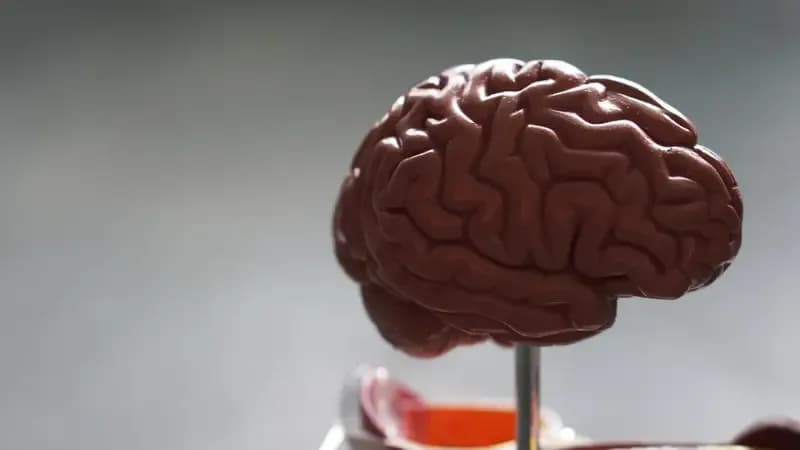
Amnesia and dementia are both related to cognitive health but differ significantly. Amnesia primarily affects the memory, characterized by difficulty in recalling past events or forming new memories.

Memory & Cognitive Health covers age-related cognitive changes, mild cognitive impairment, dementia, and Alzheimer's disease. Our doctors and editorial team explain how to distinguish normal aging from disease, what early signs warrant evaluation, what current treatments can and cannot do, and how families can support a loved one through cognitive decline.
Last reviewed: 11 August 2026
Amnesia and dementia are both related to cognitive health but differ significantly. Amnesia primarily affects the memory, characterized by difficulty in recalling past events or forming new memories.
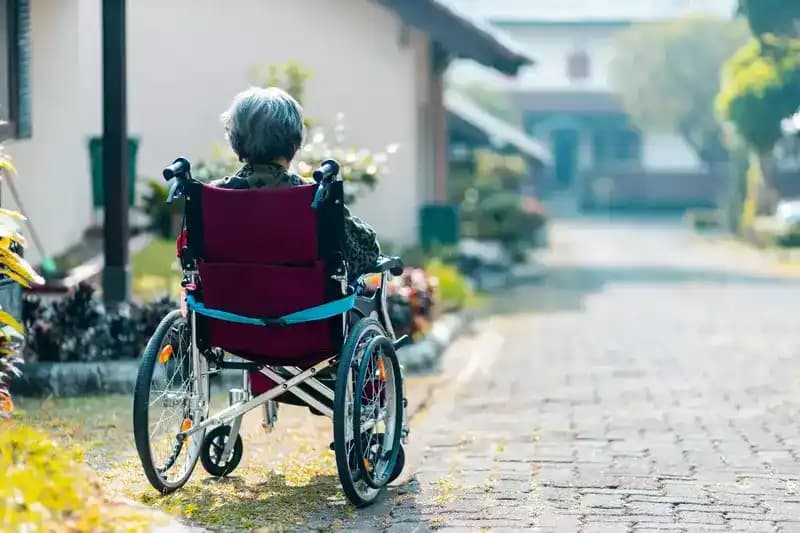
Dementia is a progressive condition that affects cognitive abilities, memory, and behavior.
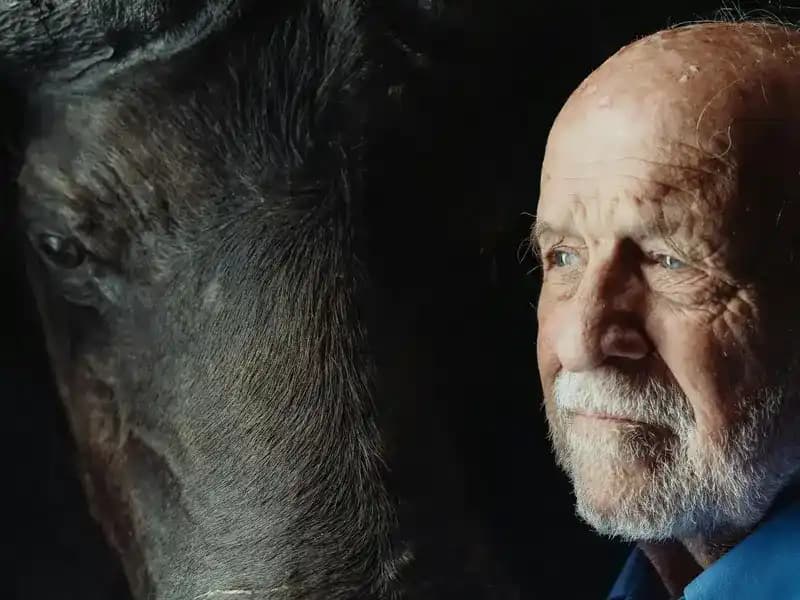
Dementia is a collective term for conditions affecting cognitive functions such as memory, thinking, and reasoning to a degree that interferes with daily life.

As we age, keeping our minds sharp and agile becomes increasingly important.
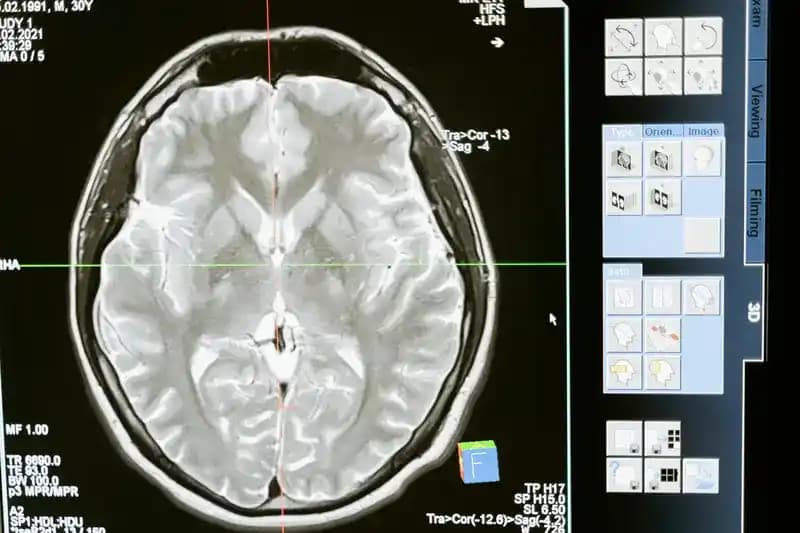
Explore the complexities of neurological disorders in elders, from symptoms to treatments. Learn how to enhance their quality of life with evidence-based strategies and supportive care.
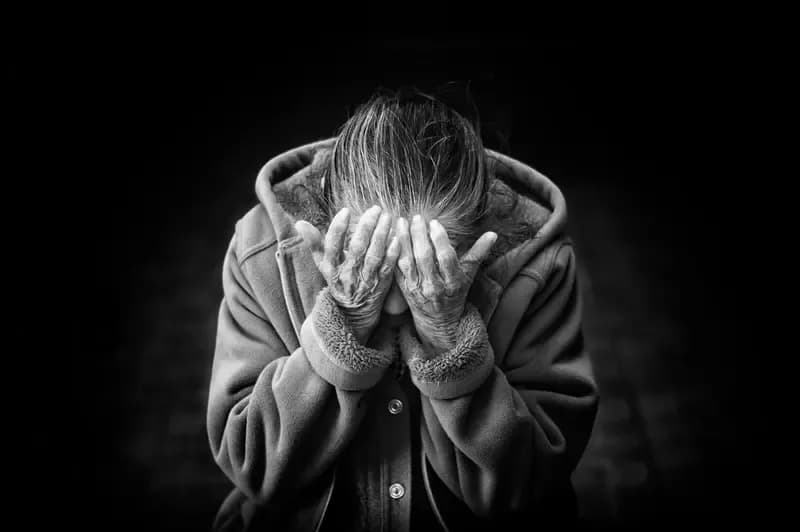
Dementia, a debilitating condition affecting cognitive functions, sparks concern about its hereditary nature.
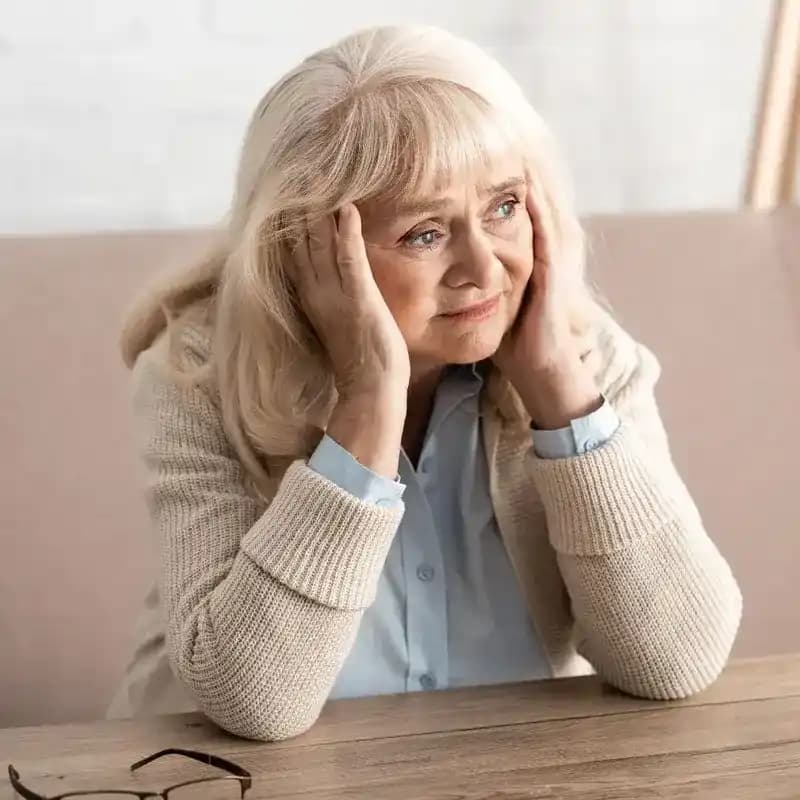
Delirium and dementia are two distinct conditions affecting cognitive function, yet they often overlap in their symptoms. Understanding their key differences is vital for accurate diagnosis and effective management.
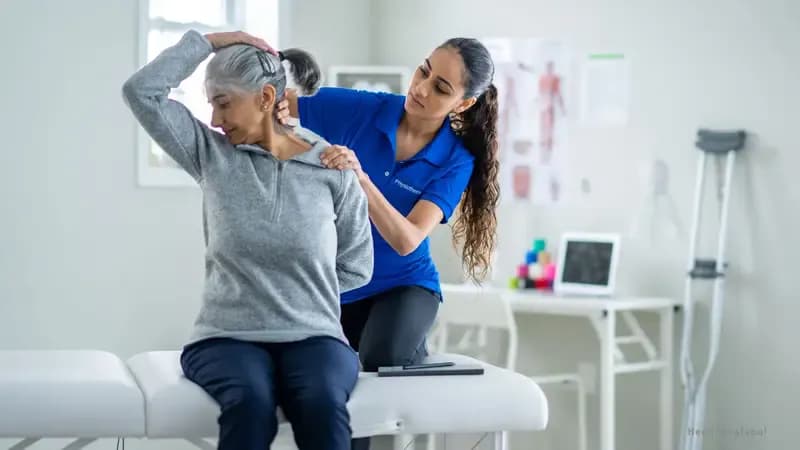
Neuro physiotherapy uses targeted techniques. CIMT and task-specific training for stroke, spasticity management for MS, gait retraining for Parkinson's, to rebuild movement after neurological injury. Here is what a course of treatment looks like in India.
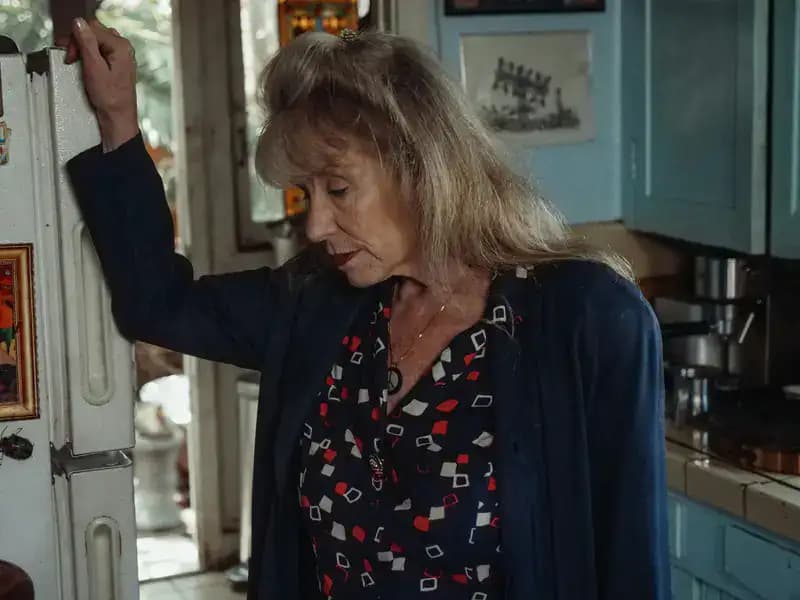
Dementia is a complex and multifaceted condition that affects millions of individuals and their families worldwide.
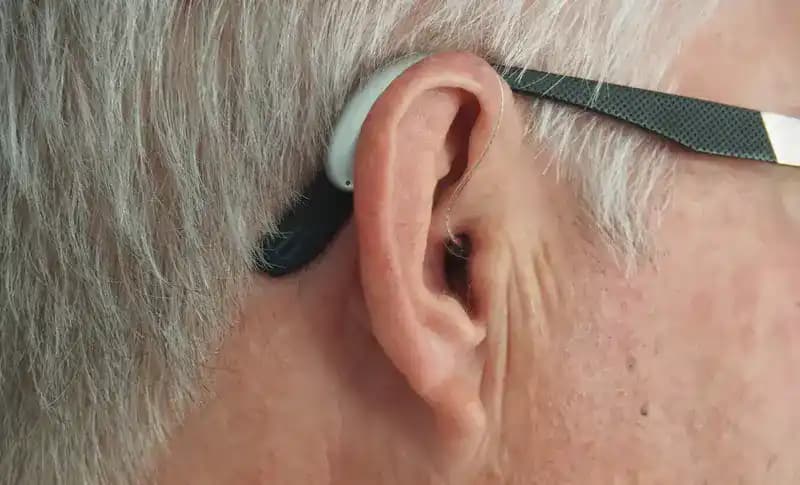
Explore the connection between ear infections and hearing loss. Learn about symptoms, treatments, and effective prevention strategies to protect your hearing health.
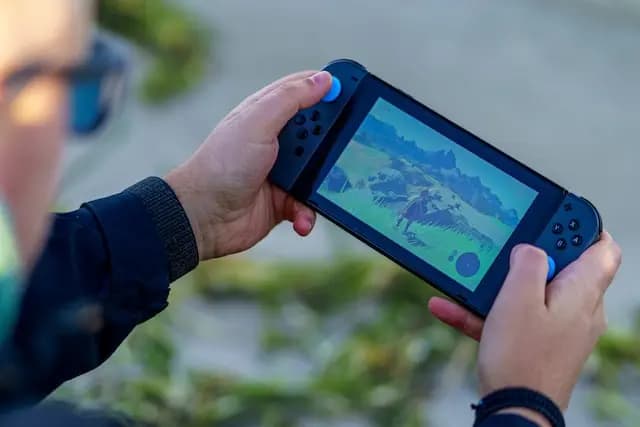
Video gaming for seniors offers numerous benefits, including cognitive skill enhancement and opportunities for social connection.
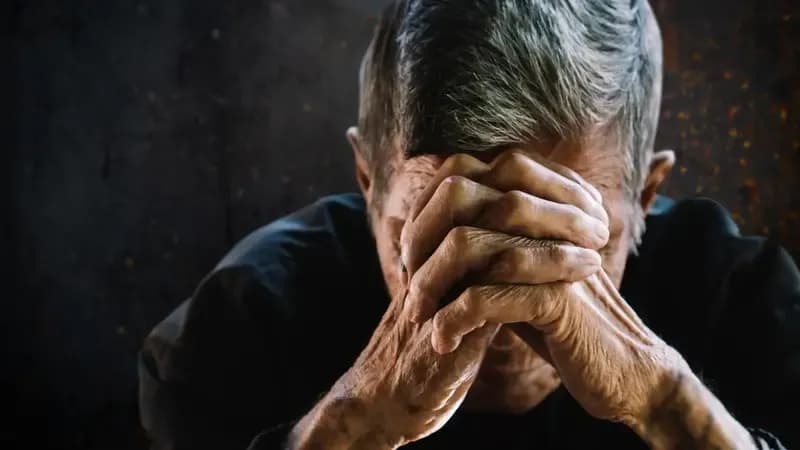
Senior abuse is a silent epidemic that affects countless elderly individuals globally. Learn to recognize the signs and take action to protect our elders.
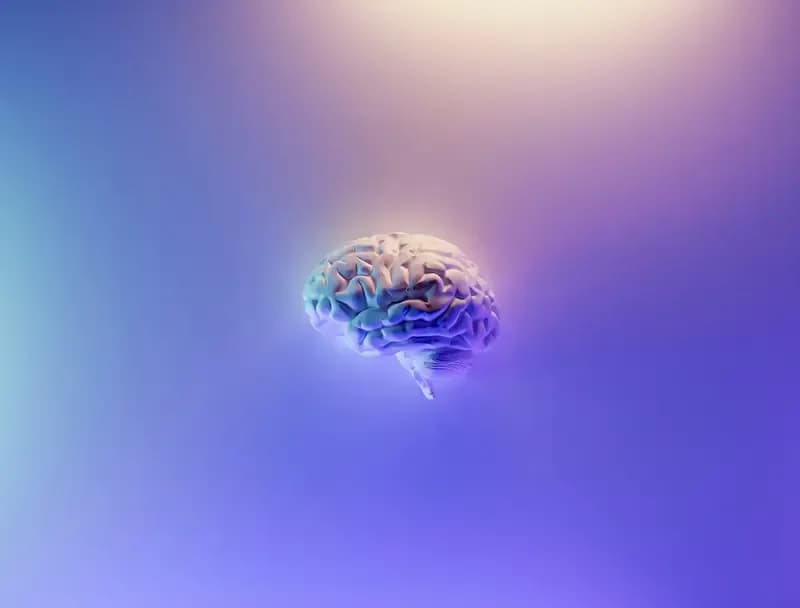
Neurological disorders encompass a wide range of conditions that affect the brain, spinal cord, and nerves throughout the body.
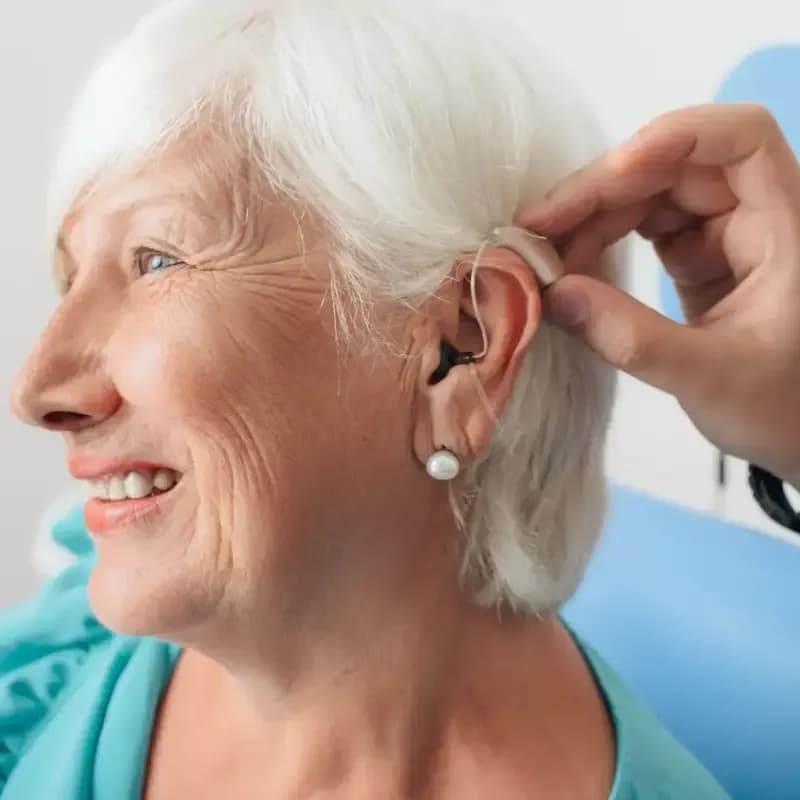
Explore the transformative power of digital hearing aids, their advanced features, benefits, and how they revolutionize hearing loss treatment. Learn to find the perfect device for your needs.
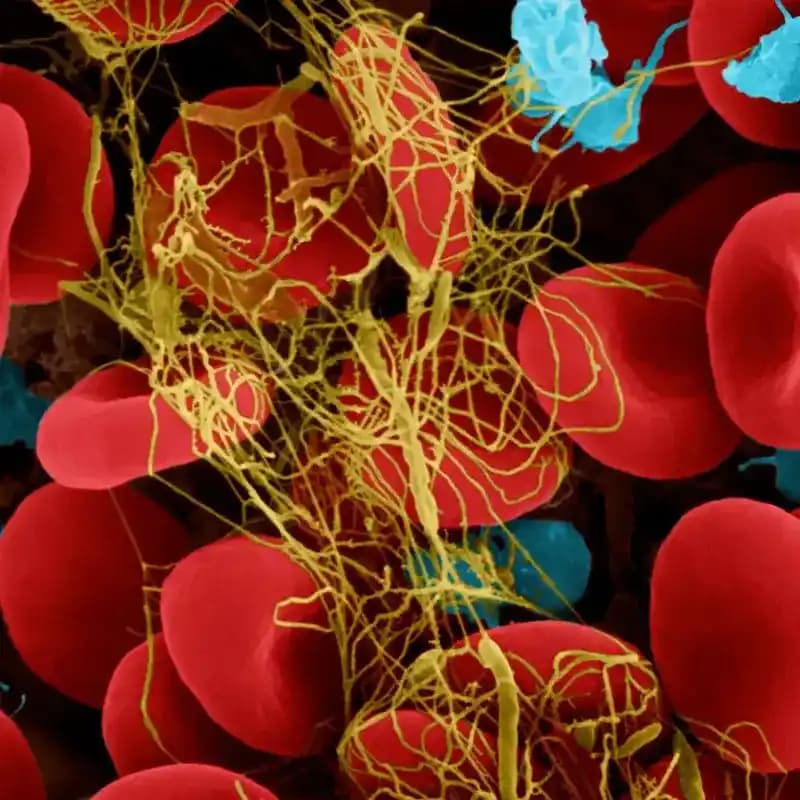
Brain clots are life-threatening conditions requiring immediate attention. Learn to recognize symptoms, understand causes, and explore treatments like clot-busting therapies and advanced rehabilitation techniques.
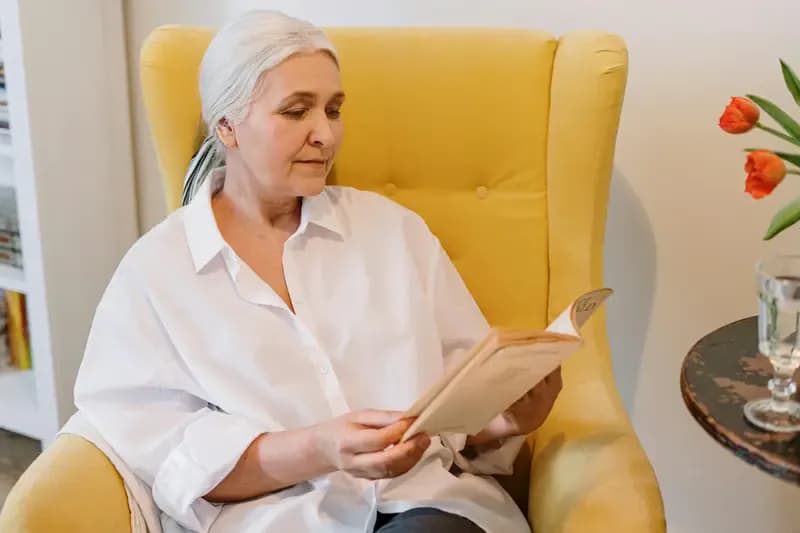
Explore effective mental health solutions tailored for seniors, highlighting professional strategies, preventive measures, and supportive environments to improve elderly well-being.
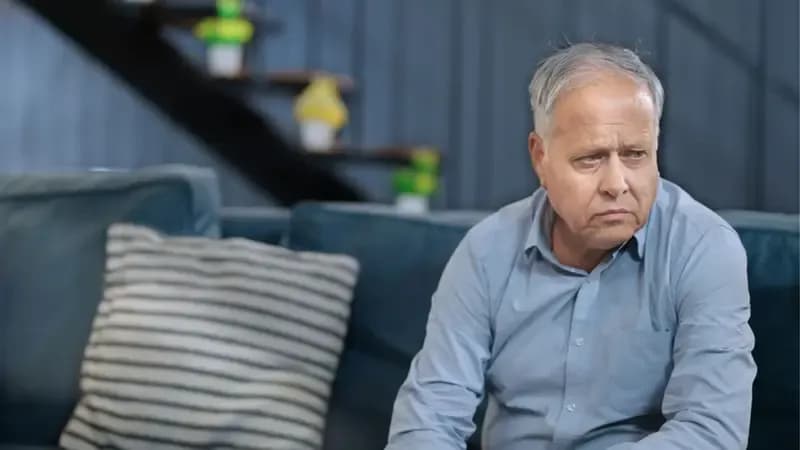
The importance of mental health care for the elderly cannot be overstated.
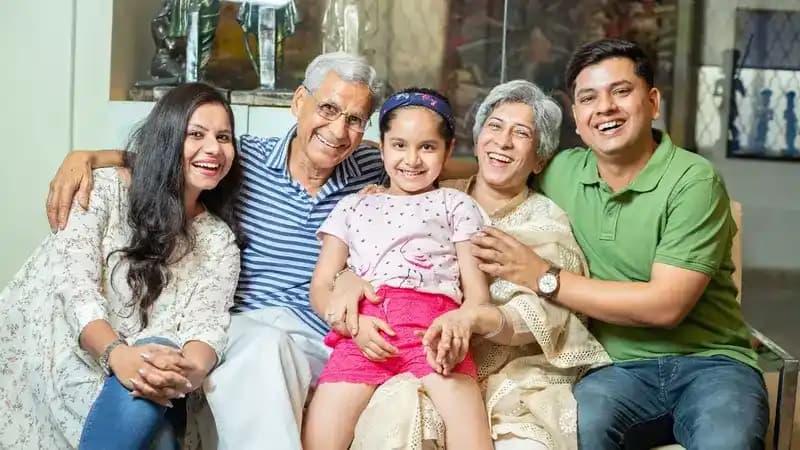
India's elderly population is growing fast, but the healthcare and support infrastructure has not kept pace. Here is what practical senior care looks like, accessible healthcare, home safety, mental wellbeing, technology, and the caregiver network that holds it together.
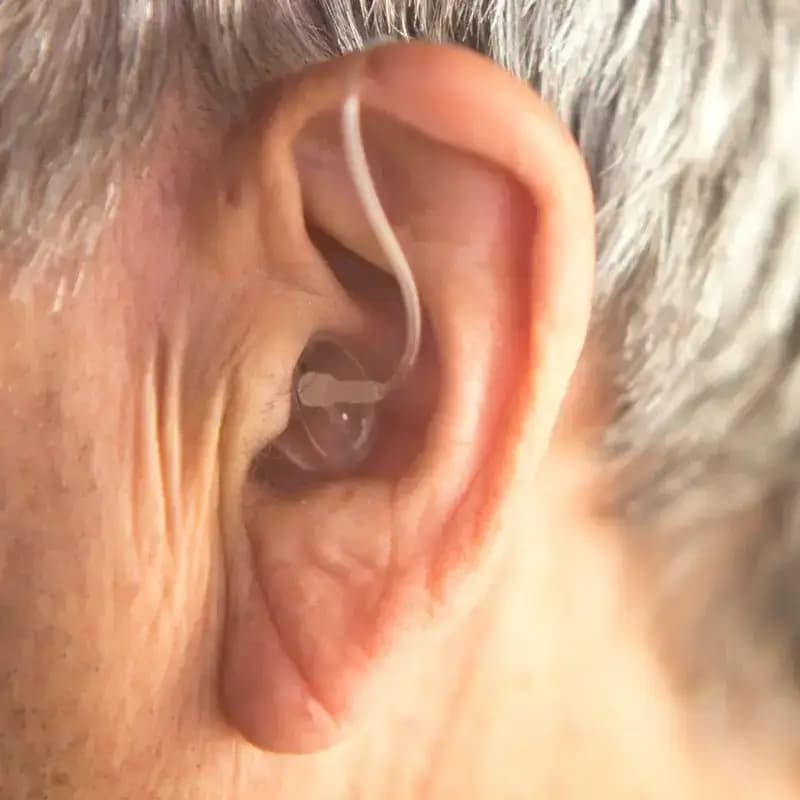
Learn about the different levels of hearing loss, how to identify the need for a hearing aid, and the role of audiologists in managing hearing impairment effectively.
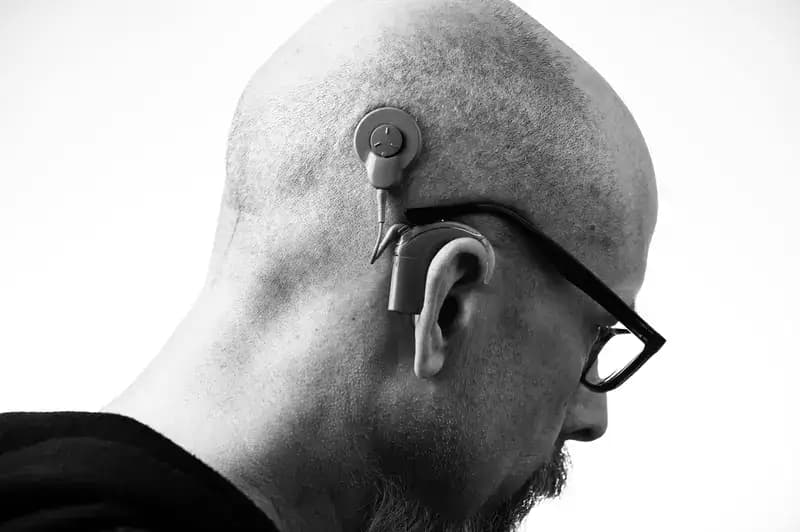
Hearing loss is a widespread condition that affects millions globally, impacting their communication and quality of life. This guide explores its causes, types, solutions, and real-life cases.
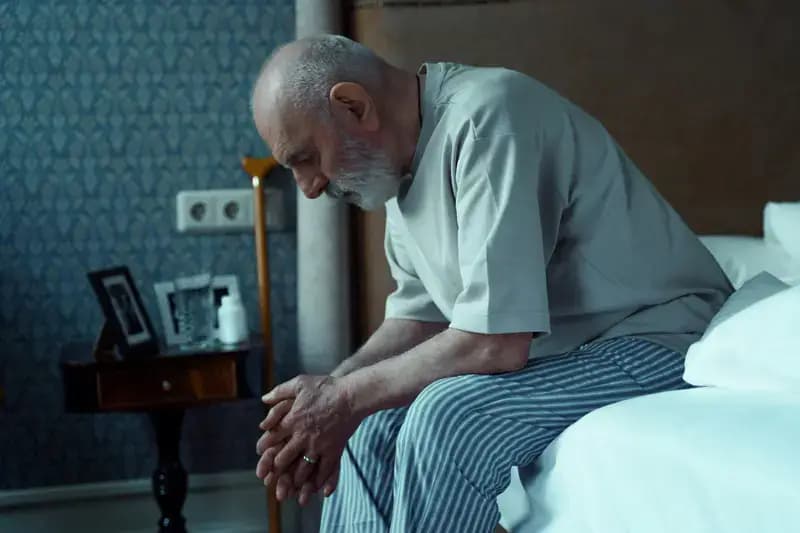
Aging is a natural process that brings about various changes in the body, leading to several old age problems.
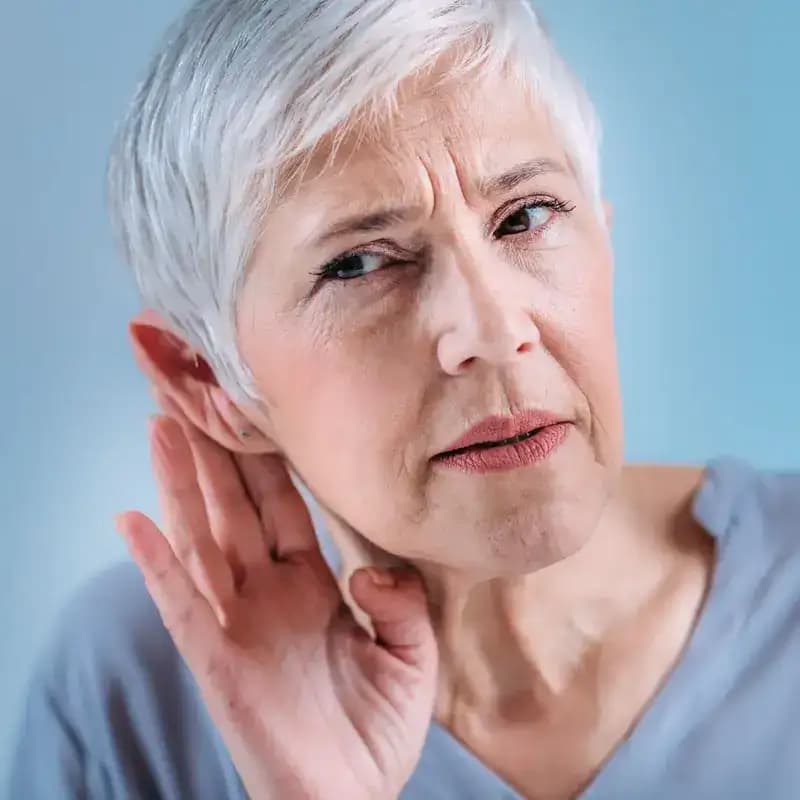
Conductive hearing loss is a type of hearing impairment that occurs when sound waves are unable to pass freely through the outer or middle ear.

Hearing loss affects millions worldwide, impacting their ability to communicate, work, and engage in daily activities.

As we age, staying active becomes increasingly important for our physical, mental, and emotional health.
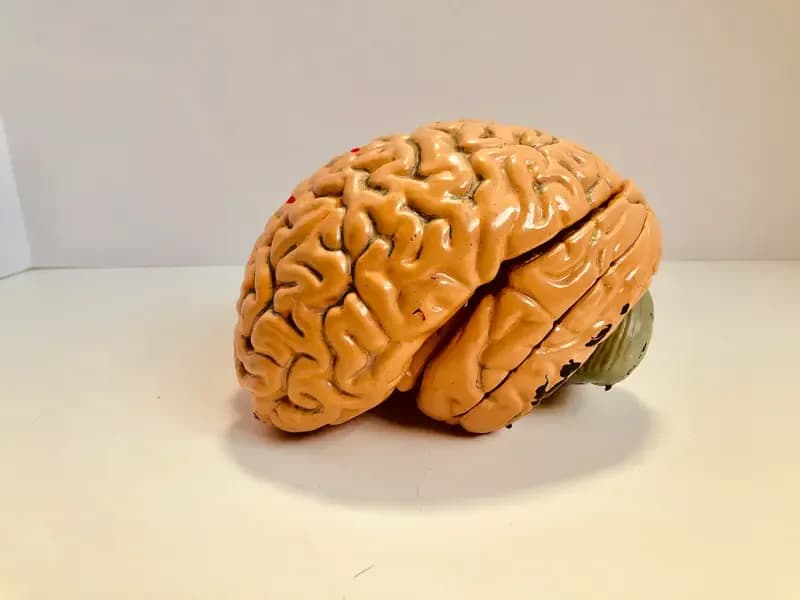
A blood clot in the brain, also known as cerebral thrombosis or intracranial blood clot, can have severe consequences if not promptly addressed.
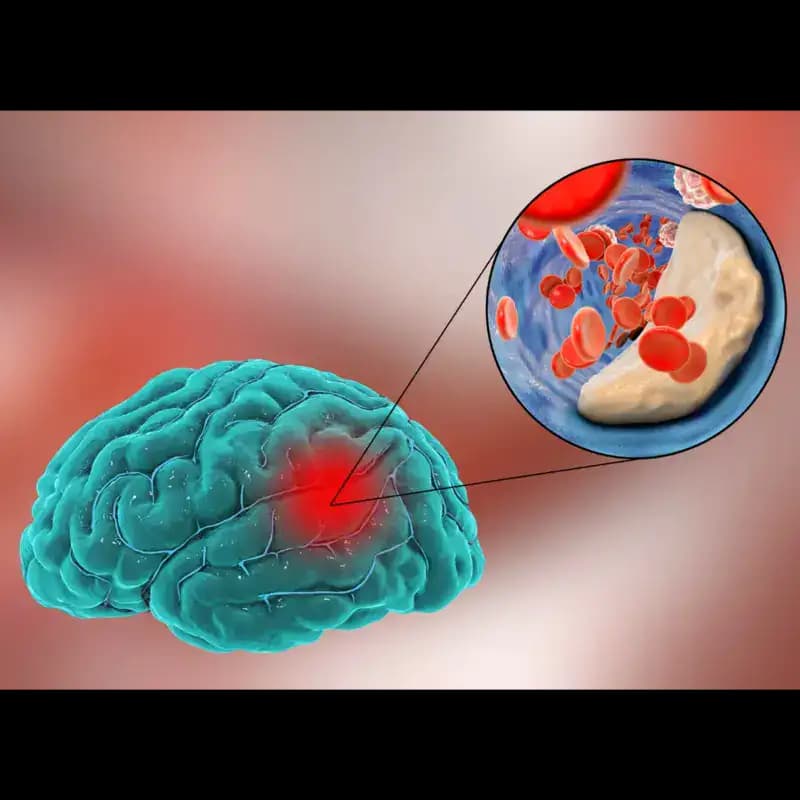
Explore proven brain clot treatments with real case studies and recovery strategies. Learn how effective therapies and lifestyle changes can promote optimal recovery.

A paralysis attack can have a profound impact on an individual's mobility and quality of life, necessitating a comprehensive nursing care plan.
Expert answers from our medical team
Normal ageing: occasionally forgetting names but remembering later, misplacing items but retracing steps, taking longer to learn new things. Dementia: forgetting recent important events, getting lost in familiar places, difficulty managing money or medications, personality changes, poor judgment, difficulty with familiar tasks, repeatedly asking the same questions. Both can happen — dementia has patterns worth recognising early.
No guarantees, but the modifiable risk factors are: managing cardiovascular risk (BP, cholesterol, diabetes, weight), regular physical activity, mental engagement (learning, reading, puzzles, social activity), good sleep, treating hearing loss (surprisingly important), avoiding excessive alcohol, and not smoking. What's good for the heart is good for the brain. Some risk is genetic and unmodifiable.
See a geriatric physician, neurologist, or memory clinic. Basic workup includes cognitive testing, blood tests (thyroid, B12, other reversible causes), and — often — brain imaging. Rule out treatable mimics (depression, medication effects, thyroid, vitamin deficiencies). Early diagnosis matters — some treatments work best in early stages, and time to plan (legal, financial, care) is valuable.
Regular novel mental activity (learning something new, social engagement, complex hobbies) has better evidence than commercial 'brain training' apps for slowing cognitive decline. Physical activity has strong evidence. Supplements marketed for brain health (ginkgo, various proprietary blends) have weak or no evidence. Save your money for exercise and social activities instead.
Practical: create a safe environment, establish routines (predictability helps), simplify communication, address behaviours through environment changes not confrontation. Emotional: grief for the person changing while still alive is real and legitimate. Support: join dementia support groups (ARDSI is India's Alzheimer's association), consider respite care to prevent caregiver burnout. This is a marathon, not a sprint — sustainable pacing matters.
Questions from our community members
Ask our medical community. Your question may help others with similar concerns.
Verified specialists across India