
Introduction
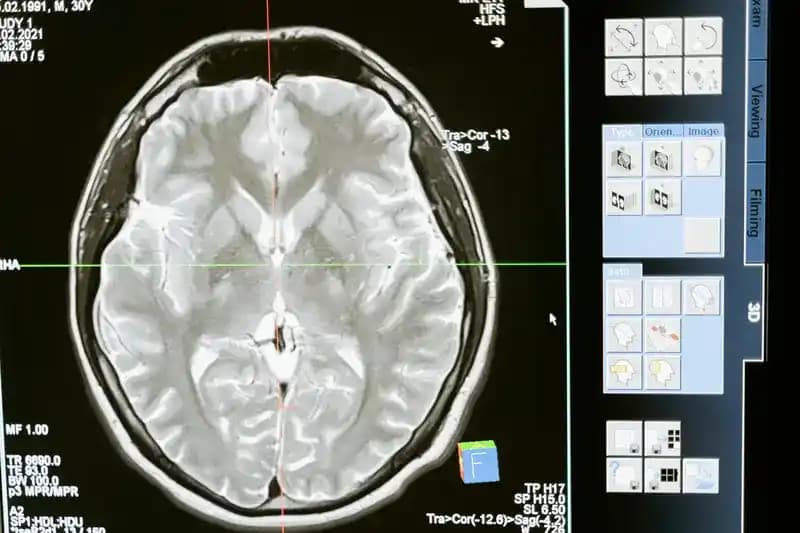
Aging comes with a higher risk of neurological disorders, which affect the brain, spinal cord, and nerves. These conditions often lead to cognitive and physical challenges, impacting the quality of life of elders. This guide dives deep into neurological disorders in elders, covering symptoms, treatments, and supportive care approaches.
Common Neurological Disorders in the Elderly
Neurological disorders like Alzheimer's disease, Parkinson's disease, and strokes are prevalent among elders. According to the World Health Organization (WHO), nearly 50 million people live with dementia worldwide, with Alzheimer's being the most common type. Early intervention and proper management can significantly improve outcomes.
Identifying Symptoms of Neurological Disorders
Symptoms vary widely but may include memory loss, confusion, difficulty walking, or muscle weakness. Early diagnosis is key. For example, a study in *The Lancet Neurology* found that early intervention in Alzheimer's disease can slow cognitive decline by up to 30%.
Exploring Rare and Less Common Disorders
Conditions such as Multiple System Atrophy and Progressive Supranuclear Palsy, though rare, present unique challenges. These disorders often mimic more common conditions, making diagnosis difficult. Case Study: Mr. A, aged 70, diagnosed with Progressive Supranuclear Palsy, showed improved mobility after six months of targeted physical therapy and medication adjustments.
Mobility and Neurological Walking Disorders
Walking disorders like ataxia or neuropathies can increase fall risks. Statistics reveal that falls account for nearly 80% of traumatic brain injuries in elders. Interventions like gait training and assistive devices such as walkers can significantly reduce these risks and enhance independence.
Treatment and Management of Neurological Disorders
Treatments vary depending on the condition. Functional neurological disorders often require a combination of physical therapy, psychotherapy, and medications. A 2023 study published in *Neurology Journal* found that structured physical therapy improved motor symptoms in 60% of patients with functional disorders.
Enhancing Quality of Life with Supportive Care
Supportive care, including counseling, support groups, and caregiver training, plays a crucial role. Case Study: Mrs. B, diagnosed with advanced Parkinson's, reported a 40% improvement in her quality of life after joining a caregiver-assisted exercise program tailored for neurological conditions.
Navigating the Future of Neurological Care for Elders
Medical advances, like AI-powered diagnostic tools and neuroprotective drugs, promise better outcomes for neurological disorders. Statistics show that the global market for neurodegenerative disease treatments is expected to grow by 7.2% annually, reflecting advancements in the field.
Conclusion
Neurological disorders in elders require a comprehensive approach to care, from early detection to tailored treatments. Families and caregivers play a critical role in improving outcomes and quality of life. With advancements in medicine and supportive care, managing these conditions is becoming more effective, providing hope for those affected.
Dedicated Elderly Support by Zocvi
Zocvi offers comprehensive elderly care services to ensure the dignity and safety of seniors. Our expert caregivers provide personalized support, from routine health checks to emotional well-being assistance. Contact our FREE 24 x 7 Healthcare Helpline at +91-92724-57637 for immediate support and assistance.





Comments (0)