
Introduction
Aging is a natural process that brings about various changes in the body, leading to several old age problems. As people grow older, they may face physical, emotional, and cognitive challenges that can impact their quality of life. Understanding these common old age problems and finding effective solutions is crucial for promoting health and well-being among seniors.
Common Physical Health Issues in Old Age
As individuals age, they often experience a range of physical health issues. Common old age problems include arthritis, cardiovascular diseases, diabetes, and osteoporosis. These conditions can cause pain, limit mobility, and affect daily activities. Regular medical check-ups, a balanced diet, and appropriate physical activity can help manage these health issues and improve the quality of life for seniors.
Cognitive Decline and Memory Loss
Cognitive decline and memory loss are significant old age problems that can impact an individual's ability to perform daily tasks and maintain independence. Conditions such as Alzheimer's disease and dementia are prevalent among the elderly. Engaging in mentally stimulating activities, maintaining a healthy lifestyle, and seeking early medical intervention can help slow down cognitive decline and manage its symptoms effectively.
Emotional and Mental Health Challenges
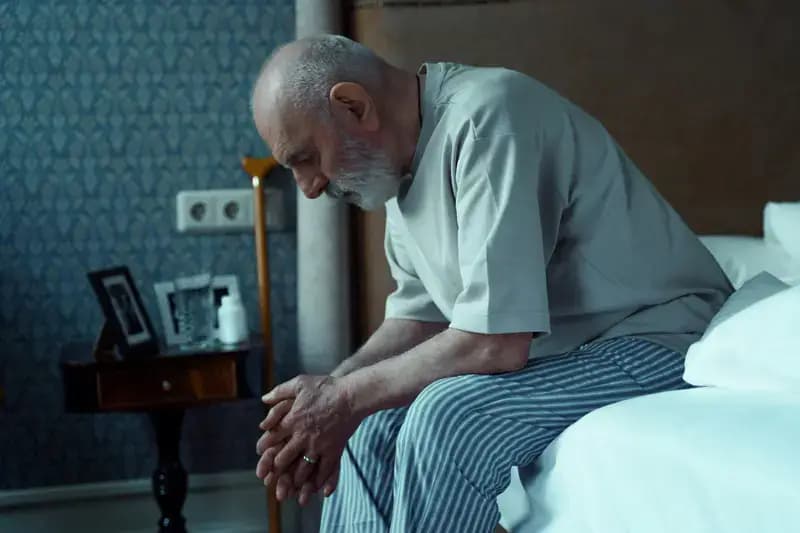
Emotional and mental health challenges are common old age problems that many seniors face. Feelings of loneliness, depression, and anxiety can arise due to the loss of loved ones, social isolation, and health issues. Providing emotional support, encouraging social interactions, and seeking professional mental health services can significantly improve the mental well-being of the elderly.
Mobility and Balance Issues
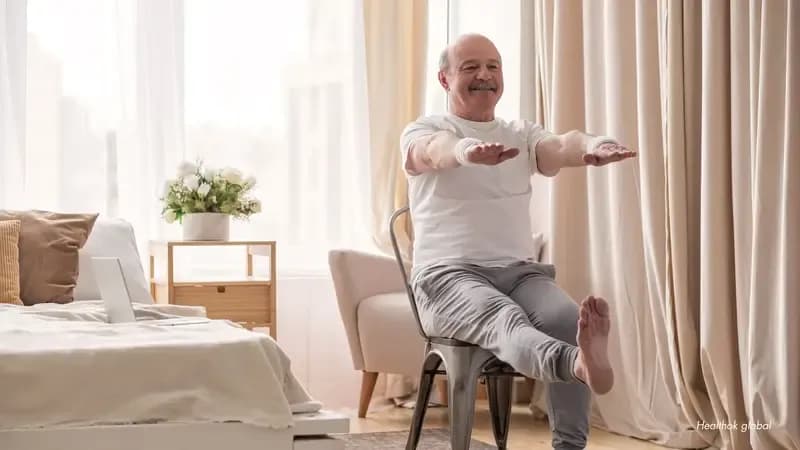
Mobility and balance issues are prevalent among older adults, leading to an increased risk of falls and injuries. These old age problems can result from muscle weakness, joint stiffness, and neurological conditions. Regular exercise, physical therapy, and using assistive devices like walkers and canes can enhance mobility and prevent falls, allowing seniors to maintain their independence.
Sensory Impairments in Old Age
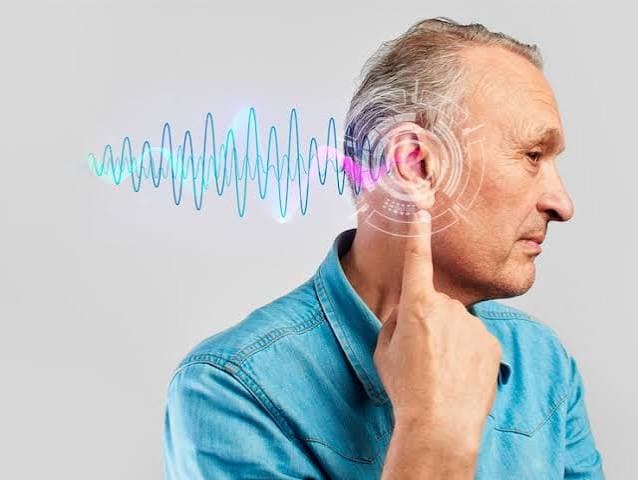
Sensory impairments, such as vision and hearing loss, are common old age problems that can affect communication and daily functioning. Regular eye exams, using hearing aids, and creating a safe home environment can help manage these impairments. Providing support and adaptive tools can improve the quality of life for seniors with sensory issues.
Managing Chronic Pain
Chronic pain is a prevalent issue among the elderly, often resulting from conditions like arthritis, back problems, and neuropathy. This old age problem can significantly impact a senior's ability to engage in activities and enjoy life. Effective pain management strategies include medications, physical therapy, acupuncture, and lifestyle modifications. Consulting healthcare professionals for personalized pain management plans is essential.
Nutritional Challenges and Diet
Nutritional challenges are common old age problems that can affect health and vitality. Seniors may face difficulties in maintaining a balanced diet due to changes in appetite, dental issues, or digestive problems. Ensuring a nutrient-rich diet, staying hydrated, and possibly using supplements under medical supervision can help address these challenges and support overall health.
Social Isolation and Loneliness
Social isolation and loneliness are significant old age problems that can negatively impact mental and physical health. Seniors who lack social interactions may experience depression, anxiety, and a decline in cognitive function. Encouraging community engagement, fostering relationships with family and friends, and participating in social activities can combat loneliness and promote a sense of belonging.
Conclusion: Effective Strategies for Healthy Aging
Addressing old age problems requires a holistic approach that encompasses physical, emotional, and social well-being. Adopting a healthy lifestyle, including regular exercise, a balanced diet, mental stimulation, and social engagement, is crucial for healthy aging. Regular health screenings, managing chronic conditions, and seeking support from healthcare professionals can help seniors lead fulfilling and independent lives.





Comments (0)