
Introduction
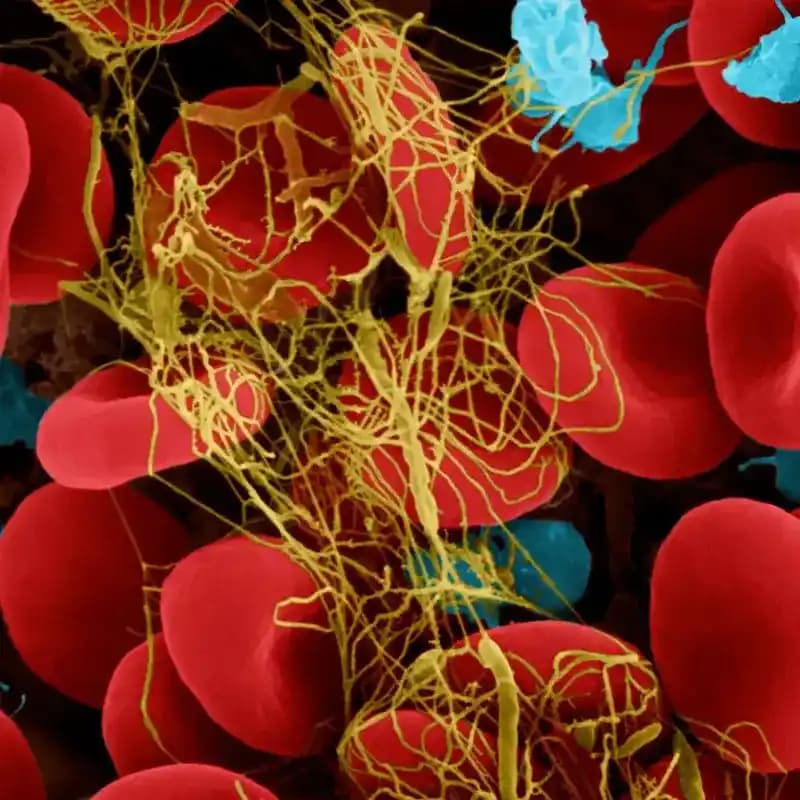
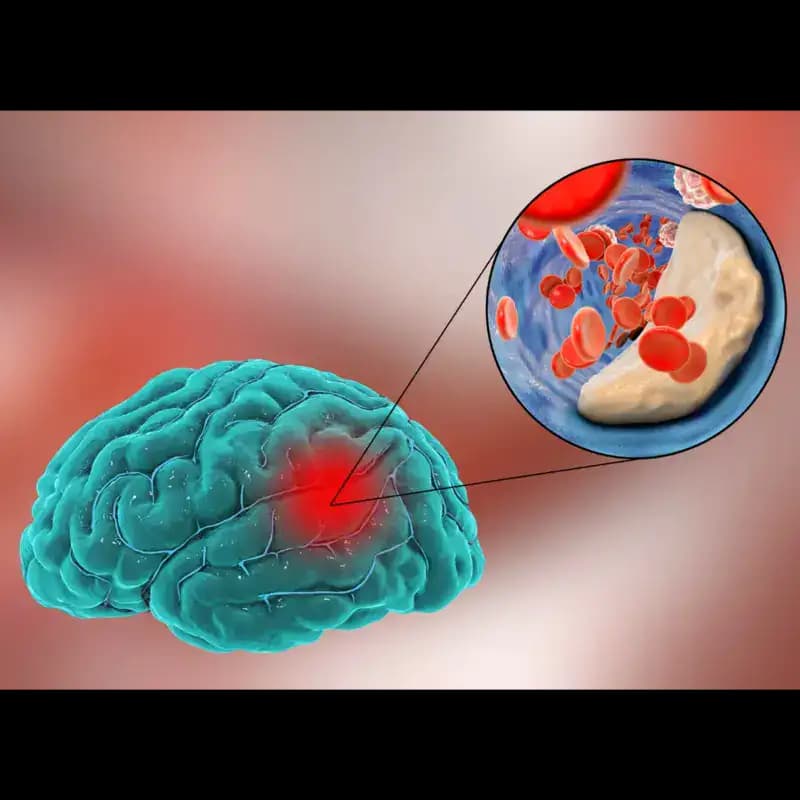
Brain clots, also known as cerebral embolisms or ischemic strokes, are serious medical conditions where blood flow to the brain is obstructed by a clot, leading to tissue damage and potential disability. Recognizing symptoms promptly can be lifesaving, as timely treatment significantly improves outcomes. This guide explores the signs, causes, and latest treatment options for brain clots.
Understanding Brain Clots
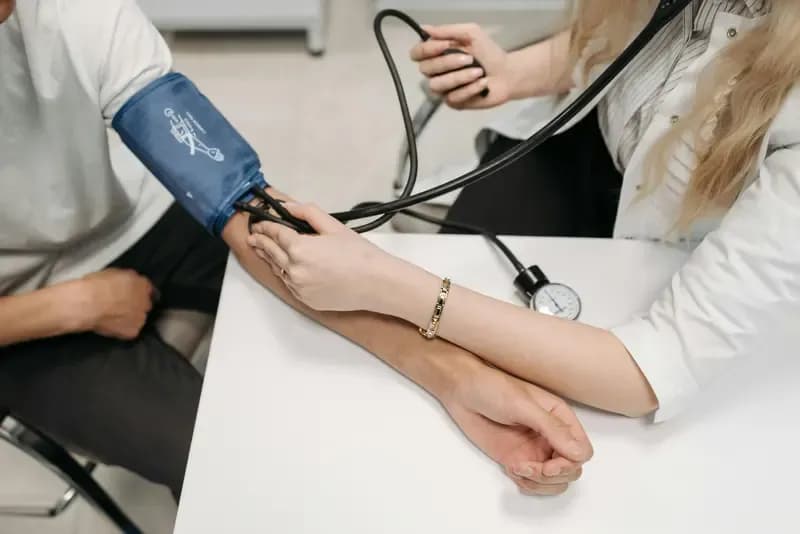
Brain clots are commonly caused by cardiovascular issues, including high blood pressure, atrial fibrillation, or atherosclerosis. Factors such as smoking, diabetes, obesity, and sedentary lifestyles increase the risk. Studies show that individuals with atrial fibrillation are 5 times more likely to develop a brain clot.
Causes and Risk Factors:
Brain clots manifest as thrombotic strokes (clot formation in brain arteries), embolic strokes (clots traveling from other body areas), or transient ischemic attacks (TIAs), often precursors to major strokes. According to the CDC, 87% of strokes are ischemic strokes caused by brain clots.
Types of Brain Clots:
Common Symptoms of Brain Clots
Approximately 70% of stroke patients report sudden weakness or numbness, often localized to one side of the body, affecting facial muscles, arms, or legs.
Sudden Weakness or Numbness:
Speech difficulties, such as slurred speech or trouble understanding others, are common in 40% of cases. These symptoms often arise abruptly.
Trouble Speaking or Understanding:
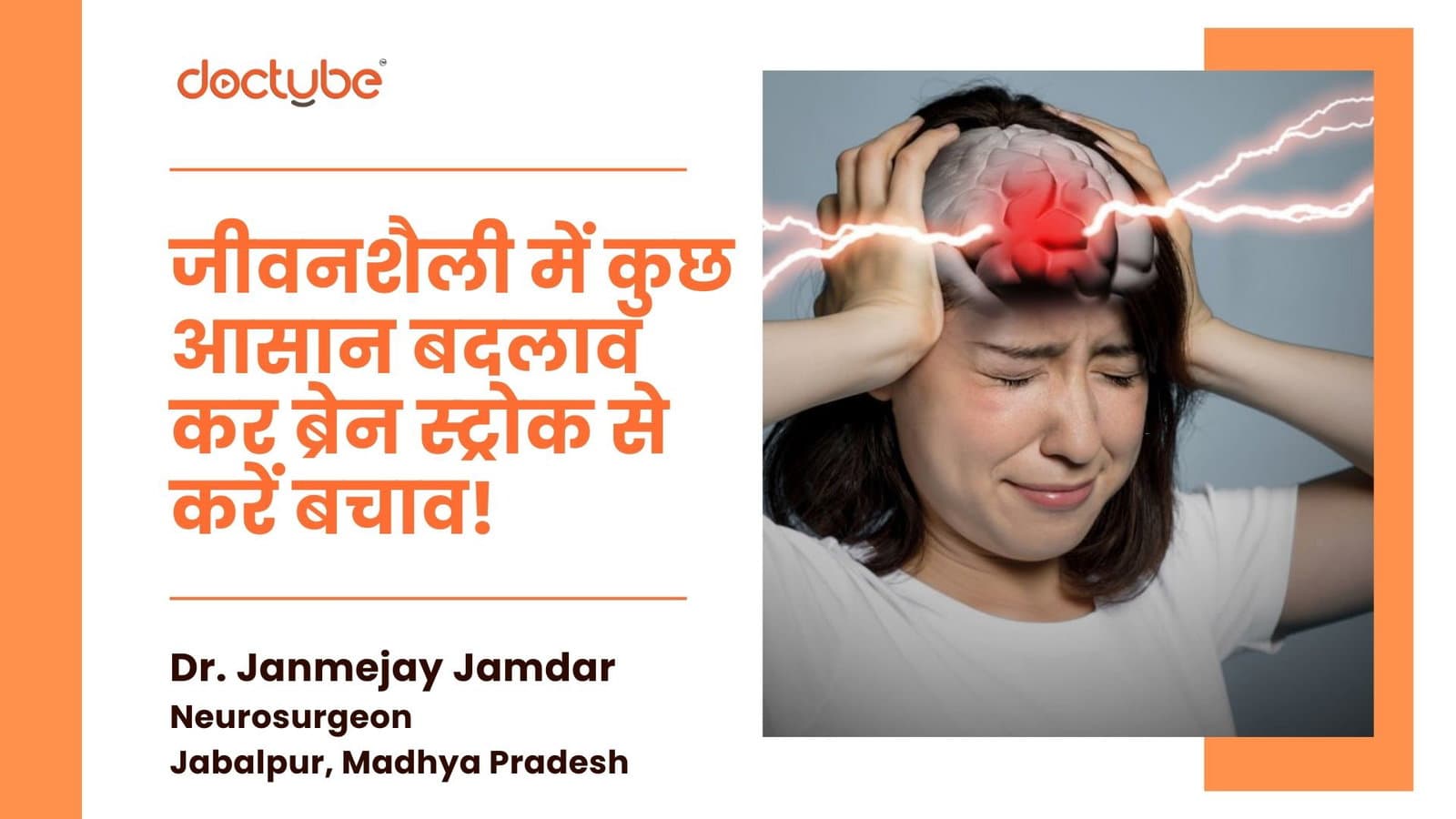
A sudden, intense headache—described as 'the worst headache ever'—often signals brain clots. Around 30% of patients with brain clots report this symptom, accompanied by nausea or sensitivity to light.
Severe Headache:
Blurred or double vision, or sudden vision loss in one eye, can occur. Vision changes are noted in 20% of stroke patients and require immediate attention.
Vision Changes:
Seeking Medical Attention
Immediate medical care within the 'golden hour' can save lives and limit permanent damage. Studies reveal that starting thrombolytic treatment within 3 hours improves outcomes by 30%.
Importance of Prompt Treatment:
If symptoms arise, call emergency services immediately. Recognizing the FAST (Face drooping, Arm weakness, Speech difficulty, Time to call emergency) signs can expedite treatment.
Emergency Response:
Treatment Options for Brain Clots
Thrombolytics, like tPA (tissue plasminogen activator), dissolve clots and restore blood flow. Research indicates that patients receiving tPA within 3 hours are 50% more likely to recover without significant disability.
Clot-Busting Medications:
This procedure uses catheters to physically remove clots. Effective for large artery blockages, thrombectomy has a success rate of over 85% when performed within 6 hours of symptom onset.
Mechanical Thrombectomy:
Medications like warfarin or DOACs (direct oral anticoagulants) prevent clot formation and lower stroke recurrence risk. Long-term use reduces clot-related complications by 70%.
Anticoagulant Therapy:
Rehabilitation and Recovery
Rehabilitation services, including physical therapy and speech therapy, enhance recovery. Over 65% of stroke survivors benefit from tailored rehabilitation programs.
Stroke Rehabilitation:
Adopting a heart-healthy diet, engaging in moderate exercise, and avoiding smoking reduce recurrence rates by 40%. Managing underlying conditions like hypertension further supports recovery.
Lifestyle Modifications:
Conclusion
Recognizing and addressing brain clot symptoms promptly is vital for effective treatment and improved outcomes. Advanced medical interventions, combined with lifestyle changes and rehabilitation, empower individuals to recover and reduce future risks. If you or a loved one experience symptoms, act quickly—early intervention can save lives.
Dedicated Elderly Support by Zocvi
Zocvi offers comprehensive elderly care services to ensure the dignity and safety of seniors. Our expert caregivers provide personalized support, from routine health checks to emotional well-being assistance. Contact our FREE 24 x 7 Healthcare Helpline at +91-92724-57637 for immediate support and assistance.





Comments (0)