

Introduction to Neurological Disorders
Neurological disorders encompass a wide range of conditions that affect the brain, spinal cord, and nerves throughout the body. These disorders can have a profound impact on an individual's ability to perform daily activities, affecting their quality of life. Understanding neurological disorders is the first step towards managing these conditions effectively and supporting those who live with them.
Types of Neurological Disorders
Neurological disorders are varied and can be categorized into several types, including:
- Neurodegenerative diseases: Conditions like Alzheimer's disease and Parkinson's disease, characterized by the progressive loss of neurons.
- Acute brain injuries: Including stroke and traumatic brain injuries, which can have immediate and lasting effects on brain function.
- Chronic conditions: Such as epilepsy and multiple sclerosis, which affect individuals throughout their lives.
Categories of Neurological Disorders
Causes and Risk Factors
The causes of neurological disorders are multifaceted, including genetic predisposition, environmental factors, lifestyle choices, and infections. Understanding the risk factors is crucial for prevention and early intervention. For instance, family history of neurodegenerative diseases increases one's risk, while head injuries are a known risk factor for conditions like epilepsy and chronic traumatic encephalopathy.
Symptoms and Diagnosis
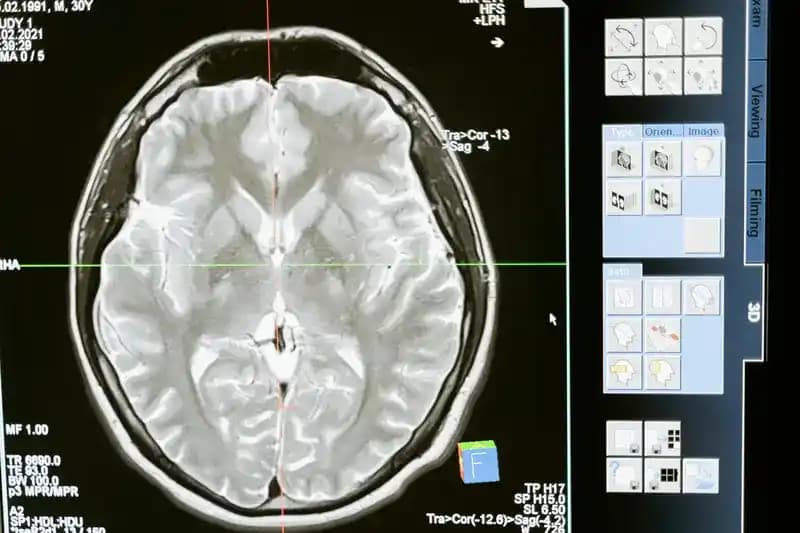
Symptoms of neurological disorders can vary widely but often include cognitive decline, motor function impairment, seizures, and mood changes. Diagnosing these conditions involves a comprehensive neurological exam, imaging tests such as MRI and CT scans, and laboratory tests. Early diagnosis can significantly impact the management and progression of these disorders.
Treatment and Management
While there is no cure for many neurological disorders, treatment options focus on managing symptoms and improving quality of life. Medications, surgical interventions, and rehabilitation therapies play a crucial role. Additionally, innovative treatments like gene therapy are on the horizon, offering hope for more effective management of these conditions.
Living with a Neurological Disorder
Living with a neurological disorder requires adjustments to daily life and the adoption of supportive therapies. Adaptive technologies and support networks can significantly improve the life of someone dealing with such a condition. It's also important for caregivers to have access to resources and tips to provide the best care possible.
Advances in Neurological Research
The field of neurology is rapidly evolving, with research breakthroughs offering new insights into the causes, diagnosis, and treatment of neurological disorders. Clinical trials are essential for developing new treatments and understanding the long-term impacts of these conditions.
How to Support Someone with a Neurological Disorder
Supporting someone with a neurological disorder involves understanding their needs, providing emotional and practical support, and advocating for their care. Friends and family play a vital role in the support network, helping to navigate the challenges that come with these conditions.
Resources and Support Services
Numerous resources and support services are available for individuals and families affected by neurological disorders. Patient advocacy groups, online forums, and health service providers offer valuable information and support, helping to navigate the journey with a neurological disorder.
Conclusion
Understanding neurological disorders is essential for managing these conditions effectively and providing support to those affected. With ongoing research and a growing support network, there is hope for advancements in treatment and improvements in the quality of life for individuals with neurological disorders.
About Zocvi
Zocvi connects patients with verified doctors and evidence-based health guidance. Visit zocvi.com or reach us on WhatsApp at +91-92724-57637.








Comments (0)