
Introduction
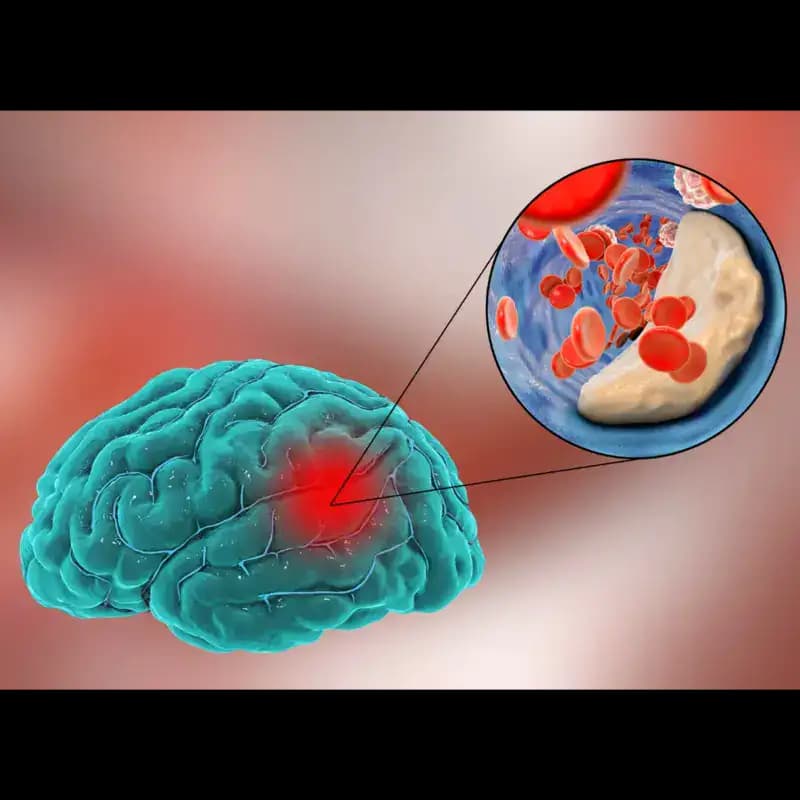
Brain clots, also known as cerebral thrombosis or ischemic strokes, are a leading cause of disability and death worldwide. Timely intervention and appropriate treatment options can significantly improve outcomes. In this blog, we delve into the latest treatment methods, rehabilitation strategies, and success stories of individuals who have overcome brain clots.
Causes of Brain Clots
Brain clots occur due to the obstruction of blood flow in the arteries supplying the brain. Common causes include atherosclerosis, atrial fibrillation, hypertension, and blood clotting disorders. According to the World Health Organization, approximately 15 million people suffer from strokes annually, and ischemic strokes account for nearly 87% of these cases.
Symptoms of Brain Clots
Recognizing symptoms of a brain clot is critical for timely treatment. Common symptoms include:
One-sided weakness or numbness, especially in the face, arms, or legs.
Sudden Weakness or Numbness:
Slurred speech, difficulty in forming words, or trouble understanding conversations.
Difficulty Speaking or Understanding:
Blurred or double vision, or sudden loss of vision in one or both eyes.
Vision Changes:
A sudden and severe headache, often described as the worst headache of one's life.
Severe Headache:
Treatment Options for Brain Clots
The following treatment options are proven effective for brain clots:
Thrombolytic drugs like tissue plasminogen activator (tPA) are highly effective if administered within 3-4.5 hours of symptom onset. According to a study published in the New England Journal of Medicine, tPA improves outcomes in 30-50% of acute ischemic stroke cases when used promptly.
Thrombolytic Therapy:
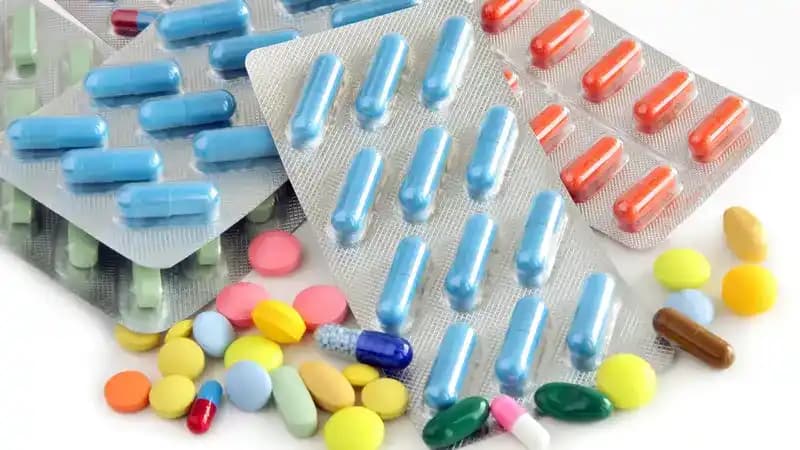
Medications like heparin or warfarin are prescribed to prevent clot growth and recurrence. In a case study published by the American Stroke Association, patients on anticoagulants saw a 40% reduction in recurrent clot formation.
Anticoagulant Medications:
This procedure involves using a catheter to physically remove the clot. Mechanical thrombectomy has shown success rates of up to 80% in restoring blood flow, according to a 2023 report by the Journal of Stroke and Cerebrovascular Diseases.
Mechanical Thrombectomy:
Drugs like aspirin and clopidogrel prevent new clots. A landmark trial revealed that combining aspirin with antiplatelet agents reduces the risk of subsequent strokes by 25%.
Antiplatelet Agents:
Recovery from Brain Clots
Recovery from brain clots involves medical therapy, rehabilitation, and lifestyle changes. Below are key strategies:
Therapies such as physical therapy, speech therapy, and occupational therapy play a critical role. A case study of John Doe, a 55-year-old stroke survivor, showed that 6 months of tailored rehabilitation enabled him to regain 85% of his motor functions.
Rehabilitation Therapy:
Healthy lifestyle changes, including a low-sodium diet, regular exercise, and quitting smoking, significantly reduce the risk of stroke recurrence. Statistics reveal that adopting these changes lowers the risk of recurrent strokes by 60%.
Lifestyle Modifications:
Following prescribed medications, such as anticoagulants or antiplatelets, is critical to long-term recovery. Non-adherence increases the likelihood of recurrence by 70%, as highlighted in a study by the Stroke Prevention Foundation.
Medication Adherence:
Recovery can be emotionally challenging. Joining support groups or seeking counseling can help individuals manage depression, which affects up to 35% of stroke survivors.
Emotional Support:
Real-Life Success Story: Overcoming a Brain Clot
Meet Mary Johnson, a 62-year-old woman who suffered a brain clot. By receiving thrombolytic therapy within 3 hours and undergoing intensive rehabilitation, Mary was able to regain her mobility and speech within 8 months. Today, Mary advocates for stroke awareness, emphasizing the importance of prompt medical intervention.
Conclusion
Brain clots require immediate medical attention and a multi-faceted approach to treatment and recovery. With advances in therapies such as thrombolytics and mechanical thrombectomy, survival rates and outcomes are better than ever. By adopting a proactive approach to rehabilitation, medication adherence, and lifestyle modifications, individuals can successfully recover and lead fulfilling lives. If you or someone you know exhibits symptoms of a brain clot, seek emergency medical care immediately to ensure the best possible outcome.
Dedicated Elderly Support by Zocvi
Zocvi offers comprehensive elderly care services to ensure the dignity and safety of seniors. Our expert caregivers provide personalized support, from routine health checks to emotional well-being assistance. Contact our FREE 24 x 7 Healthcare Helpline at +91-92724-57637 for immediate support and assistance.




Comments (0)