

Introduction
Hearing loss affects millions worldwide, impacting their ability to communicate, work, and engage in daily activities. This condition raises important questions about classification, support, and rights. Specifically, Is hearing loss a disability? This blog delves into the nuances of hearing loss, exploring its recognition as a disability and what that means for individuals living with this condition.
Defining Disability: Where Does Hearing Loss Fit In?
To understand whether hearing loss is considered a disability, it's crucial to first define what constitutes a disability. Generally, a disability is any condition that significantly restricts one or more major life activities. By this definition, severe hearing loss and deafness do qualify as disabilities because they affect the crucial life activity of communication.
The Spectrum of Hearing Loss
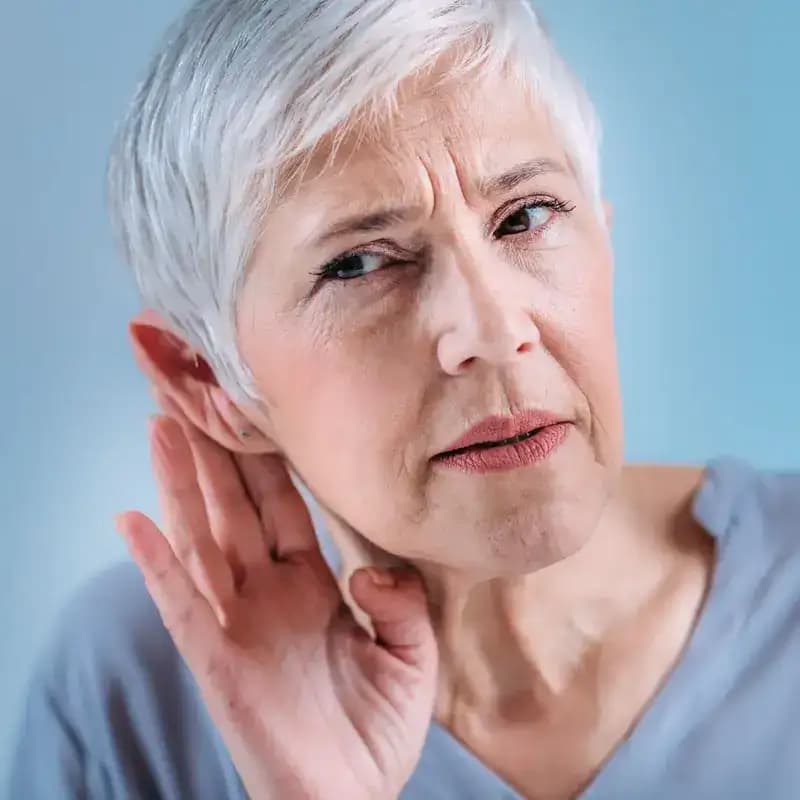
Hearing loss ranges from mild to profound, affecting individuals differently. While not all cases of hearing loss may be classified as a disability, moderate to profound hearing loss that significantly impairs communication is widely recognized under the disability umbrella.
Legal Recognition and Rights
In many regions, hearing loss is legally recognized as a disability. This recognition is crucial as it opens up avenues for support and protection under disability rights laws.
Workplace Accommodations
Individuals with hearing loss are entitled to reasonable accommodations in the workplace, ensuring they have the same opportunities as their hearing counterparts. This can include the provision of assistive devices, captioning services, or modifications in communication methods.
Educational Support
Children and adults with hearing loss have the right to accessible education. This includes the use of sign language interpreters, assistive technology, and specialized educational programs designed to meet their unique learning needs.
Navigating Daily Life with Hearing Loss
Living with hearing loss presents challenges, but understanding and leveraging the classification of hearing loss as a disability can provide significant benefits.
Access to Assistive Technologies
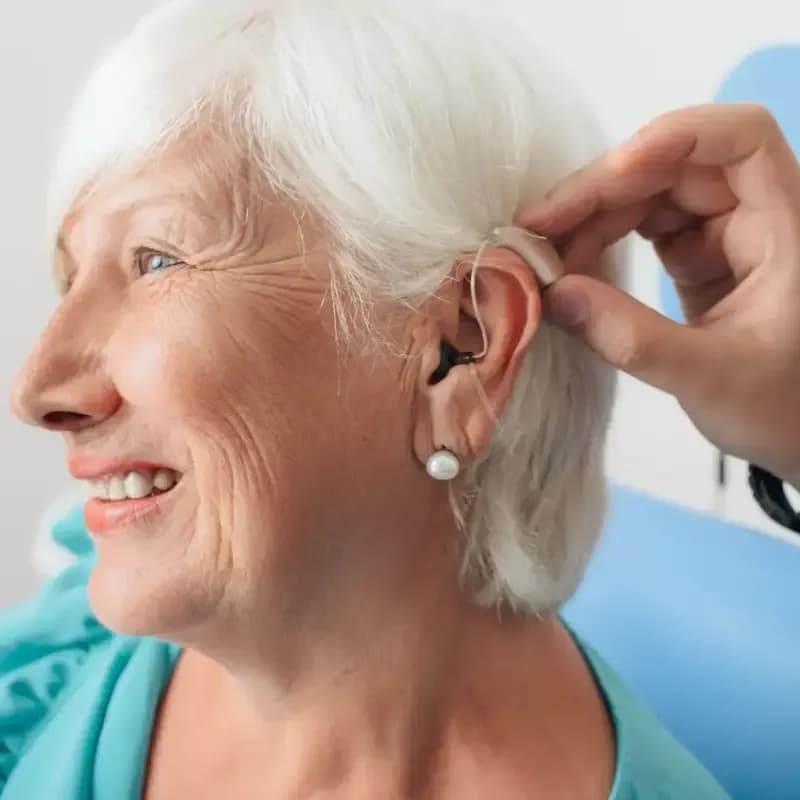
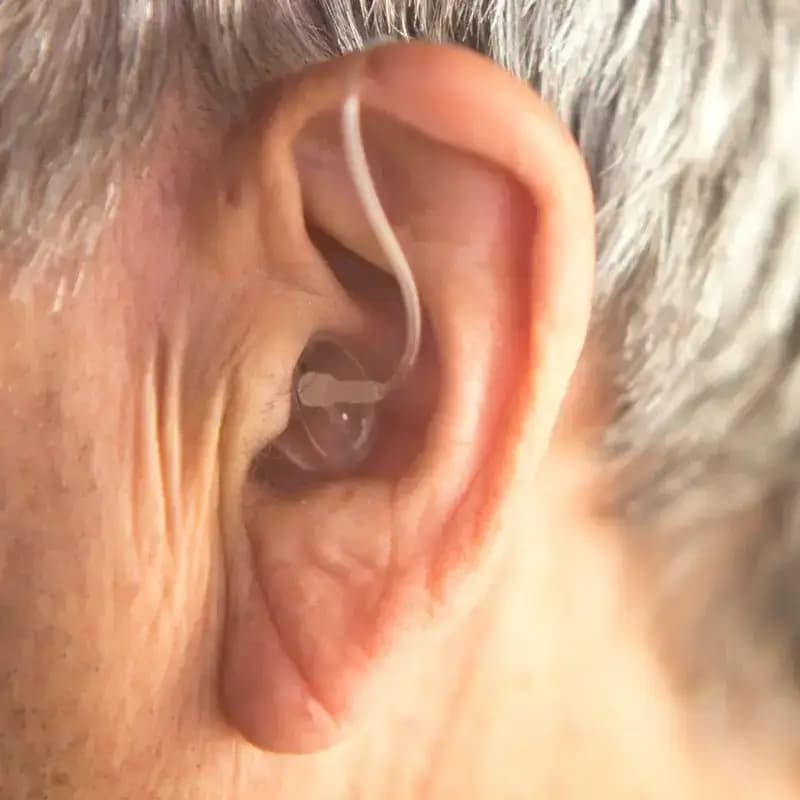
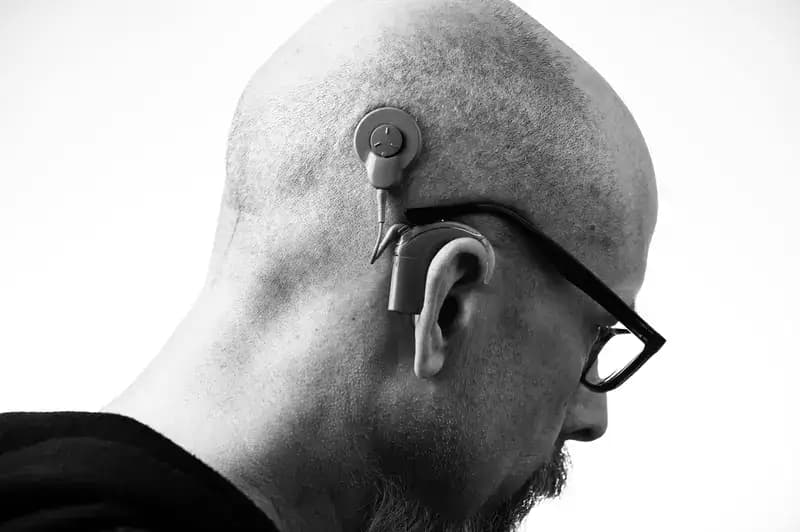
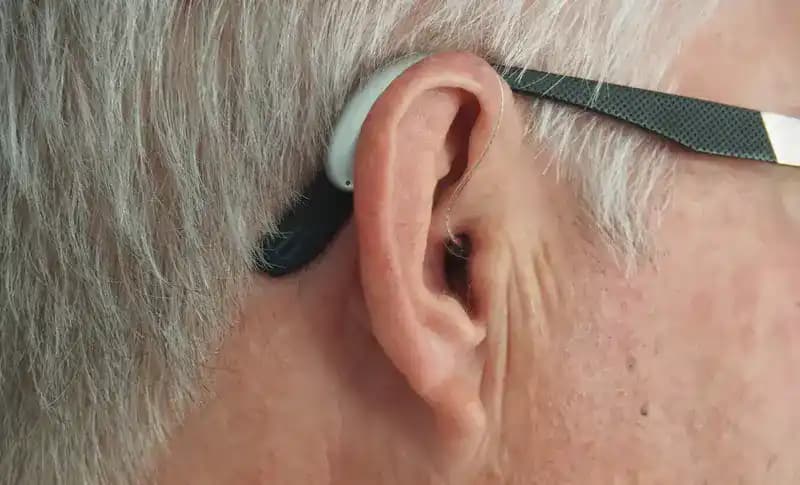
Recognizing hearing loss as a disability facilitates access to various assistive technologies, including hearing aids, cochlear implants, and captioning devices, which can dramatically improve quality of life.
Advocacy and Community Support
Numerous organizations advocate for the rights of individuals with hearing loss, providing resources, support, and community connections. Engaging with these communities can offer invaluable information, support, and a sense of belonging.
Conclusion: Empowerment Through Recognition
Answering Is hearing loss a disability? affirms that individuals with significant hearing loss are entitled to the same rights and opportunities as everyone else. This recognition empowers them to seek support, advocate for their needs, and live full, productive lives. As society continues to evolve in its understanding and accommodation of disabilities, the inclusion of those with hearing loss becomes increasingly important, ensuring that everyone, regardless of their hearing ability, has access to the same opportunities for success and fulfillment.



Comments (0)