
Introduction
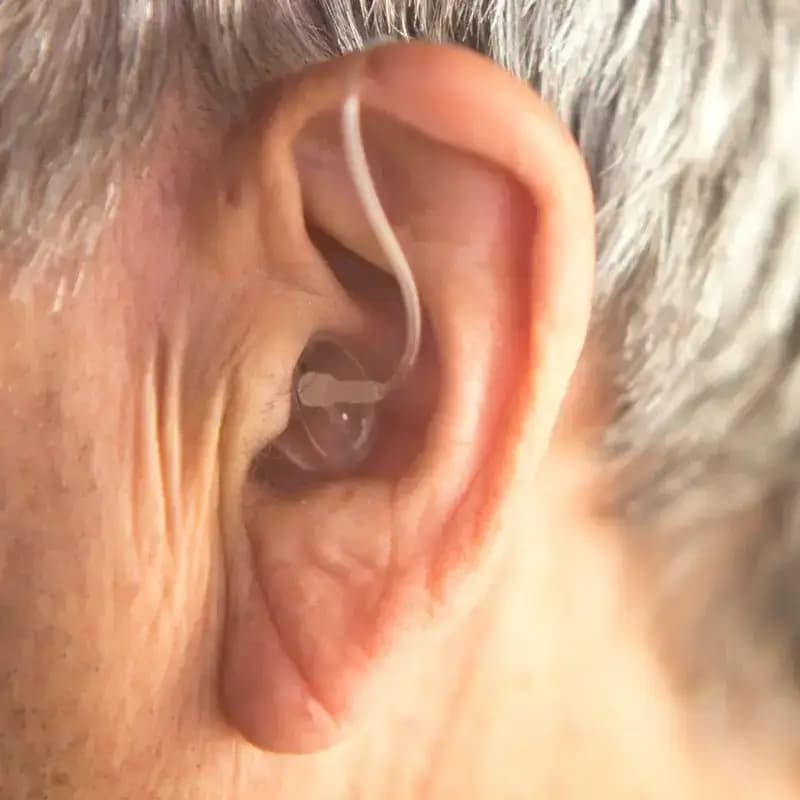
Hearing loss can vary in severity, from mild to profound, and deciding to use a hearing aid depends on multiple factors. These include the degree of hearing loss, its impact on daily life, and individual communication needs. In this guide, we’ll explore the different levels of hearing loss, when hearing aids become necessary, and how they can transform quality of life.
Factors Influencing the Need for a Hearing Aid
Determining the need for a hearing aid involves assessing several key factors: communication challenges, daily life impact, safety concerns, and quality of life improvements. For example, individuals with mild to moderate hearing loss might find communication in noisy environments difficult, while severe loss could affect personal safety by making it harder to hear alarms or traffic. Addressing these challenges with hearing aids can significantly enhance well-being.
Understanding Hearing Loss Levels
Hearing loss is categorized based on its severity. The levels include:
Difficulty hearing soft or distant sounds. Speech in quiet environments is usually comprehensible.
Mild Hearing Loss:
Trouble understanding speech during normal conversations, especially in noisy settings.
Moderate Hearing Loss:
Struggles to hear most sounds without amplification; speech comprehension becomes heavily reliant on hearing aids.
Severe Hearing Loss:
Extreme difficulty hearing speech or environmental sounds, necessitating hearing aids or other assistive devices.
Profound Hearing Loss:
Case Study: Transforming Lives with Hearing Aids
John, a 45-year-old teacher, experienced moderate hearing loss that impacted his classroom interactions. After using hearing aids tailored to his needs, he regained confidence and improved his ability to connect with students. Research from the *National Institute on Deafness and Other Communication Disorders* highlights that 95% of people with moderate to severe hearing loss benefit significantly from hearing aids.
Signs That You Need a Hearing Aid
Recognizing early signs of hearing loss is essential for timely intervention:
Particularly in group settings or noisy environments.
Difficulty Understanding Speech:
Asking others to repeat themselves during conversations.
Frequent Repetition Requests:
Increasing volume levels on devices like TVs or radios to hear clearly.
Volume Dependence:
Avoiding gatherings due to difficulty following conversations.
Social Withdrawal:
Persistent ringing or buzzing sounds in the ears, often associated with hearing loss.
Tinnitus:
Role of Audiologists in Hearing Care
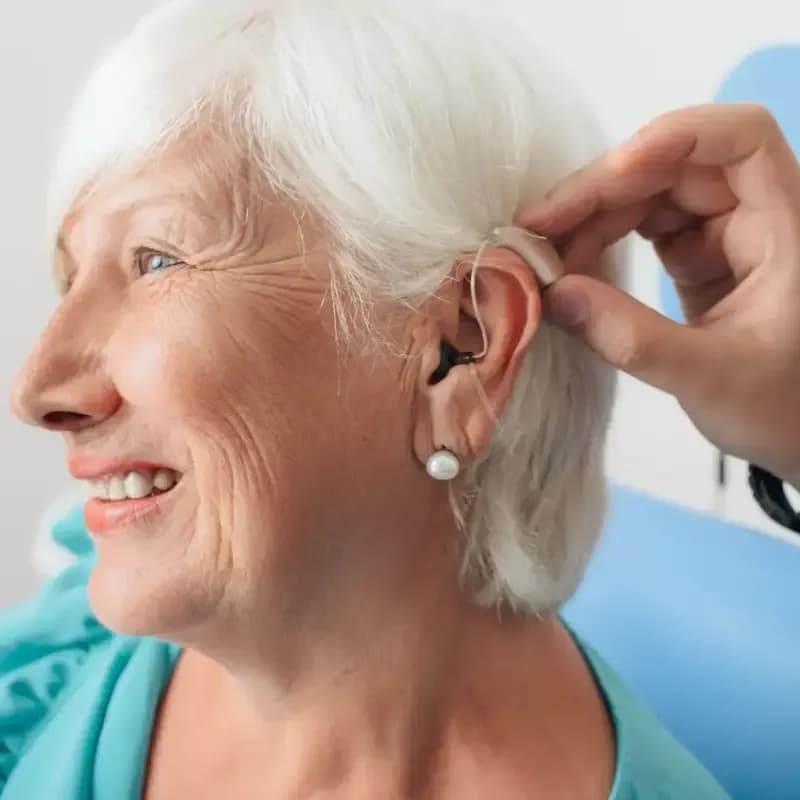
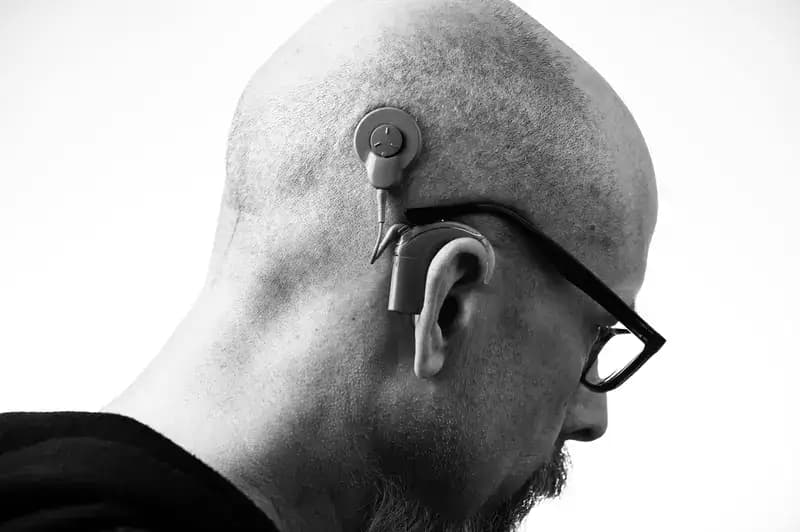
Consulting an audiologist is a crucial step in managing hearing loss. Audiologists conduct comprehensive hearing evaluations, diagnose the severity of impairment, and recommend personalized solutions, including hearing aids or cochlear implants.
Statistics on Hearing Aid Adoption
According to the *Hearing Loss Association of America*, approximately 48 million Americans have hearing loss, yet only about 30% of individuals who could benefit from hearing aids actually use them. Studies indicate that early adoption of hearing aids can improve communication, reduce cognitive decline risks by 40%, and enhance overall life satisfaction.
Conclusion
Hearing aids are invaluable tools for managing hearing loss. By addressing the unique challenges posed by different levels of impairment, they enable individuals to reclaim their independence and confidence. If you’re experiencing signs of hearing loss, consult with an audiologist to determine the best path forward. With early intervention, you can improve communication, safety, and quality of life.
Dedicated Elderly Support by Zocvi
Zocvi offers comprehensive elderly care services to ensure the dignity and safety of seniors. Our expert caregivers provide personalized support, from routine health checks to emotional well-being assistance. Contact our FREE 24 x 7 Healthcare Helpline at +91-92724-57637 for immediate support and assistance.





Comments (0)