

Introduction
Dementia is a collective term for conditions affecting cognitive functions such as memory, thinking, and reasoning to a degree that interferes with daily life. It's a concern for many, especially as we age or watch loved ones grow older. Understanding how to prevent dementia, how to diagnose it early, and comprehending its nature is crucial for anyone looking to support themselves or their loved ones. This comprehensive guide dives into these aspects, offering insights and strategies to navigate the complexities of dementia.
How to Prevent Dementia: Strategies for a Healthier Brain
Preventing dementia involves adopting various lifestyle and health strategies aimed at enhancing cognitive reserve and reducing risk factors associated with dementia.
Exercise is not just good for the body but also for the brain. Regular physical activity increases blood flow to the brain, which can help reduce dementia risk factors, such as high blood pressure and obesity.
Engaging in Regular Physical Exercise:
A balanced diet rich in fruits, vegetables, whole grains, and omega-3 fatty acids, often referred to as the Mediterranean diet, has been linked to a lower risk of cognitive decline and dementia.
Healthy Eating Habits:
Challenging the brain through puzzles, reading, learning a new skill, or engaging in activities that require critical thinking and creativity can help strengthen cognitive reserves.
Mental Stimulation:
Maintaining strong social connections and engaging in regular social activities can protect against dementia by providing emotional support and cognitive stimulation.
Social Engagement:
How to Avoid Dementia: Understanding Risk Factors
While some risk factors like age and genetics cannot be changed, understanding controllable risk factors is key in learning how to avoid dementia. These include managing cardiovascular health, avoiding excessive alcohol consumption, not smoking, and controlling blood sugar levels.
How to Diagnose Dementia: The Early Signs and Medical Evaluation
Early diagnosis of dementia can significantly impact management and quality of life. Recognizing the early signs is the first step.
Recognizing the early signs of dementia is critical for timely diagnosis and management. These signs often manifest as memory loss significant enough to disrupt daily activities, challenges in planning or solving problems, difficulties with tasks that were once familiar, confusion about time or place, and trouble understanding visual information and spatial relationships. Being aware of these indicators can prompt individuals to seek medical evaluation early, allowing for better management of the condition.
Recognizing Early Signs:
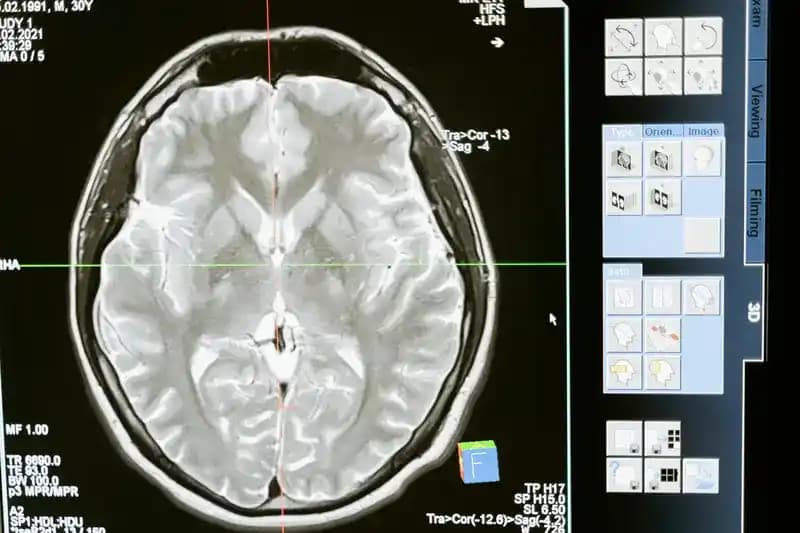
A comprehensive assessment including medical history, physical examinations, laboratory tests, and often brain imaging studies are used to diagnose dementia. Cognitive and neuropsychological tests evaluate cognitive functions and help distinguish between different types of dementia.
The Diagnostic Process:
Is Dementia a Mental Illness?
Understanding dementia's nature clarifies many misconceptions. Dementia primarily affects cognitive functions and is classified under neurocognitive disorders. It's caused by damage to brain cells, affecting their ability to communicate, which can influence thinking, behavior, and feelings. While not classified as a mental illness like depression or schizophrenia, the cognitive decline in dementia can significantly impact mental health, warranting a compassionate and nuanced approach to care.
Conclusion: Empowering Through Knowledge and Action
Understanding how to prevent dementia, recognizing early signs, and knowing how to diagnose dementia are crucial steps in managing this condition. While dementia presents significant challenges, adopting healthy lifestyle changes, staying informed, and seeking timely medical advice can make a difference. Supporting loved ones with dementia requires patience, understanding, and knowledge—empowering you to provide the care and support needed during this journey.








Comments (0)