
Introduction
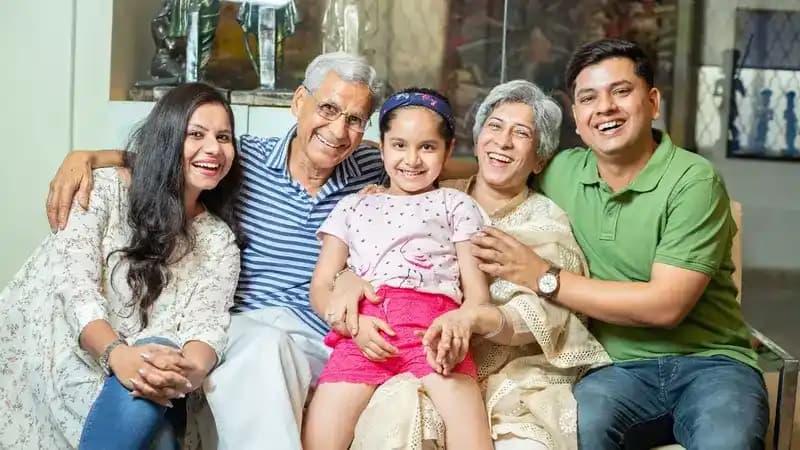
Senior citizen care in India is a growing concern as the population ages. With the increase in life expectancy, the need for comprehensive elder care services that cater to the health, emotional, and social needs of seniors has become more important than ever. This blog post explores the various facets of elder care, offering insights into creating a supportive environment for our seniors.
Understanding the Demographics of Aging in India
India senior population is rapidly growing, with projections suggesting significant increases in the coming decades. Understanding these demographic shifts is crucial for planning and implementing effective elder care services that can handle this increase responsibly and compassionately.
The Importance of Accessible Healthcare Services
Accessible healthcare is a cornerstone of effective senior citizen care. This includes preventive health screenings, regular medical check-ups, and specialized care for chronic conditions. Healthcare services that are readily accessible can greatly enhance the quality of life for seniors, helping them maintain their independence longer.
Social Engagement and Mental Health
Maintaining social connections is vital for the mental health of senior citizens. Community centers, social clubs, and regular group activities help prevent feelings of loneliness and isolation, which are common in old age and can significantly affect overall health and well-being.
Financial Stress and Its Health Impact
Financial insecurity in old age is not just a money problem, it is a documented driver of anxiety, depression, poor medication adherence (skipping doses because of cost), and delayed medical consultations. Adult children caring for elderly parents should treat financial planning as part of the health-care plan: ensure regular income sources (pension, PMVVY, senior citizen savings scheme), health insurance coverage before 60 (very hard to get after 65), and clarity on who pays for what across siblings. Government schemes like Ayushman Bharat provide free tertiary care for eligible senior citizens; PMJAY hospital lists include many private hospitals. Elderly parents skipping their BP or diabetes medications because they cannot afford it is common and dangerous, an early conversation about cost avoids it.
The Role of Technology in Elder Care
Technology can play a transformative role in improving senior citizen care. From health-monitoring devices to apps that facilitate communication with family and healthcare providers, technology solutions can help seniors live more comfortably and safely.
Home Adaptation and Safety
Making homes safe and comfortable for the elderly is crucial. Adaptations might include installing grab bars, anti-slip flooring, and other modifications that help prevent falls and accidents, which are common concerns for seniors.
Elder Abuse and Protection
Elder abuse, physical, emotional, financial, or through neglect, is more common in Indian households than most families realise. Warning signs to watch: unexplained bruises or weight loss, sudden depression or fearfulness around a specific person, missing medications, unexplained financial withdrawals, hygiene deterioration. Legal protection under the Maintenance and Welfare of Parents and Senior Citizens Act (2007) allows any parent over 60 to seek maintenance from adult children through a Maintenance Tribunal. The Elderline national helpline 14567 provides free confidential counselling, information on rights, and connects callers with local support. Recognising abuse early, particularly in cases where an elderly person lives alone or with a specific caregiver, is a preventive health measure.
Nutrition and Diet for Seniors
Proper nutrition is critical for senior health. Tailoring diets to meet the nutritional needs of the elderly, considering their medical conditions and general mobility, can significantly impact their health and quality of life.
Training and Support for Caregivers
Caregivers play a crucial role in the ecosystem of senior citizen care. Providing them with adequate training and support ensures they can offer the best care possible, addressing both the physical and emotional needs of seniors.
Conclusion
Senior care in India works best when families plan proactively rather than reactively, establishing a general physician who knows your parent's history, mapping the nearest tertiary hospitals, adapting the home for mobility limitations before the first fall, keeping mental wellbeing on the check-list alongside blood pressure, and identifying the informal or formal caregivers who will be needed. Government schemes like Ayushman Bharat, Elderline 14567, and the Senior Citizens Act exist but are widely underused. The most practical single step for adult children of elderly parents in India: schedule an annual comprehensive geriatric assessment (available at most major hospitals in tier-1 cities), which flags issues across all the dimensions above before they escalate.
About Zocvi
Zocvi connects patients with verified doctors and evidence-based health guidance. Visit zocvi.com or reach us on WhatsApp at +91-92724-57637.







Comments (0)