
Introduction
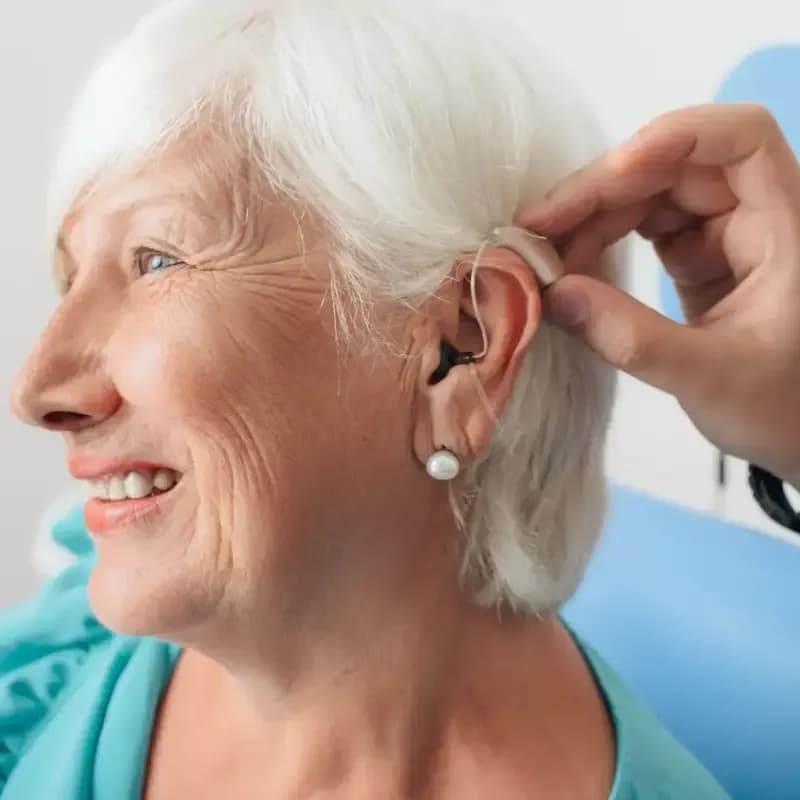
Digital hearing aids have revolutionized the way individuals with hearing loss connect with the world around them. Using advanced digital technology, these devices offer precise sound amplification, superior clarity, and customizable features to suit individual needs. This blog explores how digital hearing aids work, their benefits, and how they compare to traditional hearing aids, providing you with a complete understanding of these transformative devices.
Benefits of Digital Hearing Aids
Digital hearing aids offer cutting-edge features designed to enhance hearing and quality of life. Key benefits include:
Advanced digital signal processing ensures clearer, more natural sound compared to analog hearing aids.
Improved Sound Quality:
Digital hearing aids can filter out background noise, making it easier to focus on conversations.
Noise Reduction:
Features like automatic adjustments to different environments provide a seamless listening experience.
Customizable Settings:
Many digital hearing aids offer Bluetooth connectivity, allowing users to connect to smartphones, TVs, and other devices.
Connectivity Options:
Rechargeable models eliminate the need for frequent battery replacements, adding convenience.
Rechargeable Batteries:
How Digital Hearing Aids Work
Digital hearing aids use cutting-edge technology to process and amplify sound. The process involves:
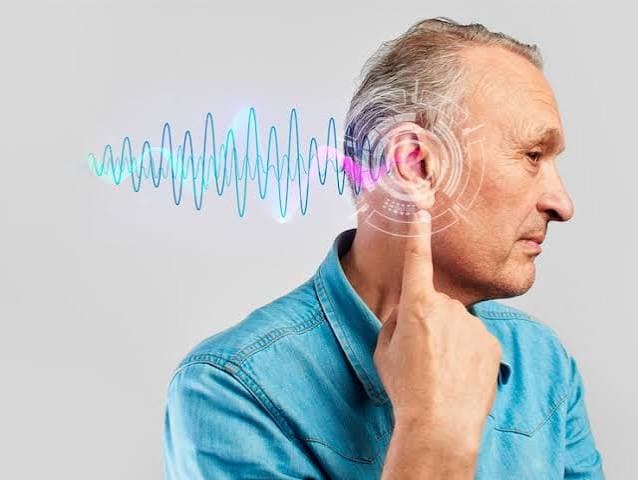
Microphones capture sound waves from the environment.
Sound Collection:
A digital signal processor (DSP) converts sound waves into digital signals for precise manipulation.
Digital Processing:
The processor tailors amplification based on the user's hearing profile.
Customization:
Processed sound is amplified and sent to the ear through the receiver, providing clearer hearing.
Amplification:
Choosing the Right Digital Hearing Aid
Finding the right hearing aid involves assessing your needs and preferences. Consider these factors:
Choose a device suited to your hearing loss level, as advised by a hearing care professional.
Severity of Hearing Loss:
Select features like Bluetooth connectivity or noise cancellation based on your daily activities.
Lifestyle Needs:
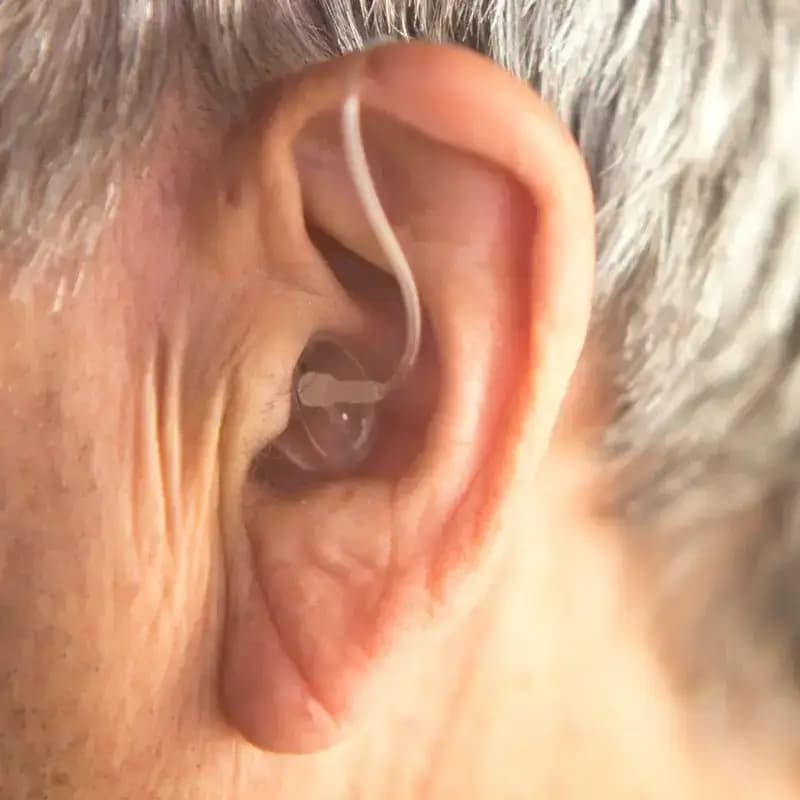
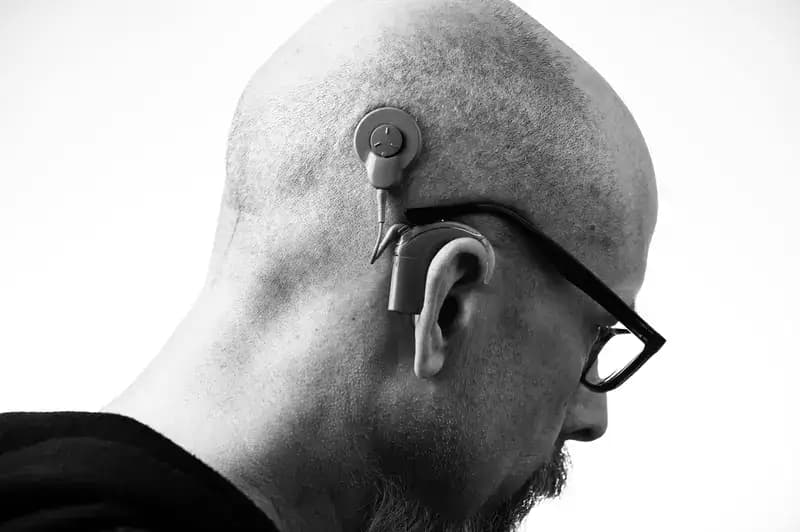
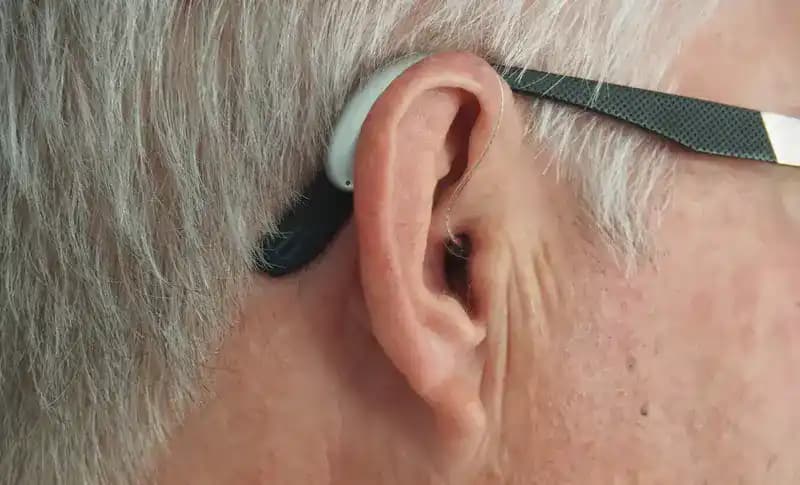
Explore different models, such as behind-the-ear (BTE), in-the-ear (ITE), or invisible-in-canal (IIC) designs.
Device Type:
Consider the cost of the device and its features. Many options are available to fit different budgets.
Budget:
Real-World Success Stories: Impact of Digital Hearing Aids
Numerous individuals have experienced life-changing improvements with digital hearing aids. For instance, a recent study found that 95% of users reported enhanced communication and social engagement after switching to digital devices. These success stories highlight the transformative power of modern hearing technology.
Maintaining Your Digital Hearing Aid
To keep your digital hearing aids functioning optimally, follow these maintenance tips:
Clean the device daily to remove earwax and dirt buildup.
Regular Cleaning:
Replace or recharge batteries as needed to ensure consistent performance.
Battery Management:
Store your hearing aids in a protective case when not in use.
Safe Storage:
Schedule regular appointments with your hearing care professional for adjustments and repairs.
Routine Checkups:
Conclusion
Digital hearing aids represent a breakthrough in hearing loss treatment, offering unparalleled sound quality and user-friendly features. By selecting the right device and maintaining it properly, individuals with hearing loss can enjoy enhanced hearing and a significantly improved quality of life. Consult a hearing care professional today to explore the best options for your needs.
Dedicated Elderly Support by Zocvi
Zocvi offers comprehensive elderly care services to ensure the dignity and safety of seniors. Our expert caregivers provide personalized support, from routine health checks to emotional well-being assistance. Contact our FREE 24 x 7 Healthcare Helpline at +91-92724-57637 for immediate support and assistance.





Comments (0)