

Introduction
Conductive hearing loss is a type of hearing impairment that occurs when sound waves are unable to pass freely through the outer or middle ear. This can result in reduced sound volume or difficulty hearing certain frequencies. Understanding the causes, symptoms, and treatment options for conductive hearing loss is essential for those affected by this condition.
Understanding the Causes of Conductive Hearing Loss
Conductive hearing loss can be caused by various factors that interfere with the transmission of sound waves through the outer or middle ear. Common causes include:
Infections of the ear canal or middle ear can cause inflammation and fluid buildup, leading to conductive hearing loss.
Ear Infections:
Excessive earwax can block the ear canal, preventing sound waves from reaching the eardrum.
Earwax Buildup:
A hole or tear in the eardrum can disrupt the transmission of sound vibrations.
Perforated Eardrum:
An abnormal growth of bone in the middle ear can interfere with the movement of the ossicles, the tiny bones responsible for transmitting sound.
Otosclerosis:
Structural abnormalities present at birth can affect the normal function of the outer or middle ear.
Malformation of the Ear:
Recognizing the Symptoms of Conductive Hearing Loss
Symptoms of conductive hearing loss can vary depending on the underlying cause and severity of the condition. Common signs and symptoms may include:
Difficulty hearing faint or distant sounds.
Reduced Sound Volume:
Sounds may seem unclear or distorted.
Muffled or Distorted Hearing:
Discomfort or pressure in the affected ear.
Ear Pain or Pressure:
Fluid drainage from the ear may indicate an infection or perforated eardrum.
Ear Discharge:
Difficulty understanding speech in noisy or crowded settings.
Difficulty Hearing in Noisy Environments:
Diagnosis and Treatment Options
Diagnosing conductive hearing loss typically involves a comprehensive evaluation by an audiologist or otolaryngologist (ear, nose, and throat specialist). This may include a physical examination, hearing tests, and imaging studies such as a tympanogram or CT scan. Treatment for conductive hearing loss depends on the underlying cause and may include:
Antibiotics or antifungal medications may be prescribed to treat ear infections or inflammation.
Medication:
Removal of excess earwax may improve hearing in cases where blockage is the cause.
Earwax Removal:
Surgical interventions such as tympanoplasty (eardrum repair) or stapedectomy (removal of abnormal bone growth) may be necessary for certain conditions.
Surgery:
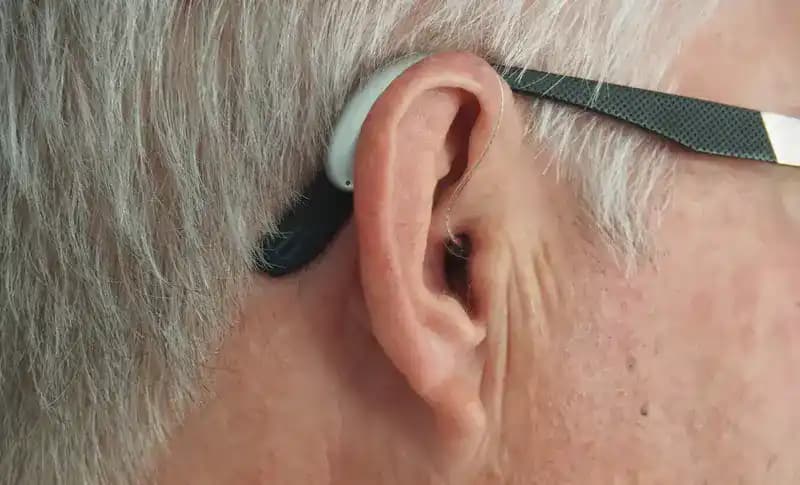
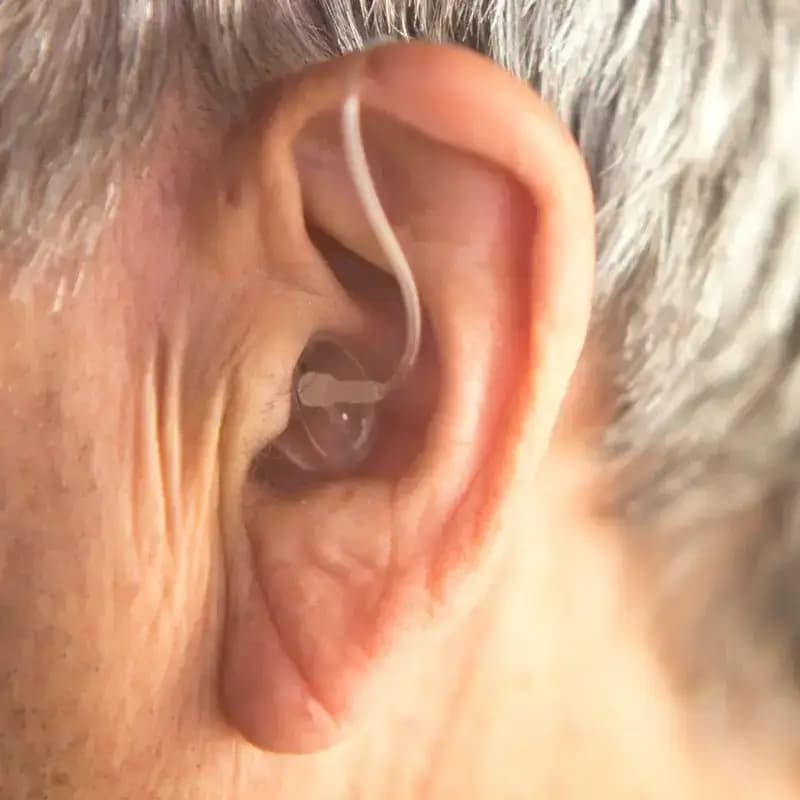
In some cases, hearing aids can help amplify sound and improve hearing for individuals with conductive hearing loss.
Hearing Aids:
Prognosis and Outlook
The prognosis for conductive hearing loss varies depending on the underlying cause and the effectiveness of treatment. In many cases, prompt diagnosis and appropriate treatment can lead to significant improvement in hearing and overall quality of life. However, some cases may require ongoing management or intervention to maintain hearing function.
Conclusion
Conductive hearing loss can have a significant impact on an individual's ability to communicate and engage with the world around them. Understanding the causes, symptoms, and treatment options for this type of hearing impairment is crucial for those affected by this condition. If you or someone you know is experiencing symptoms of conductive hearing loss, it's essential to seek evaluation and treatment from a qualified healthcare professional. With proper care and management, many individuals with conductive hearing loss can experience improved hearing and quality of life.







Comments (0)