Physiotherapy Exercises: A Comprehensive Guide to Benefits and Techniques
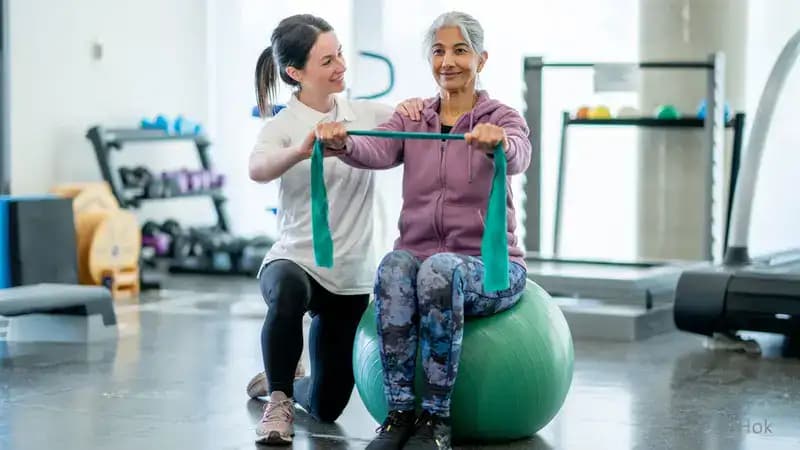
Discover how physiotherapy exercises enhance mobility, relieve pain, and promote long-term health. Learn techniques, case studies, and practical tips.

Physiotherapy & Rehabilitation covers the structured, hands-on treatment that determines whether an injury heals fully or leaves lasting limitation — post-surgical rehab after joint replacement or ligament reconstruction, recovery from fractures and stroke, chronic back-and-neck pain programs, sports-injury return-to-play, and mobility restoration in older adults. Our physiotherapists and physiatrists explain what a genuine physio program looks like (12-16 sessions with progression, not one-off electrotherapy plus rest), what electrotherapy modalities actually help versus which are theater, how to find a qualified BPT/MPT physiotherapist, and how to spot a physio center that just charges for machines without doing the exercise work that actually rebuilds strength and function.
Last reviewed: 10 August 2026
Discover how physiotherapy exercises enhance mobility, relieve pain, and promote long-term health. Learn techniques, case studies, and practical tips.

Explore targeted exercises designed to alleviate low back pain in seniors, improve flexibility, and strengthen core muscles. Learn safe and effective techniques to enhance mobility and reduce discomfort.
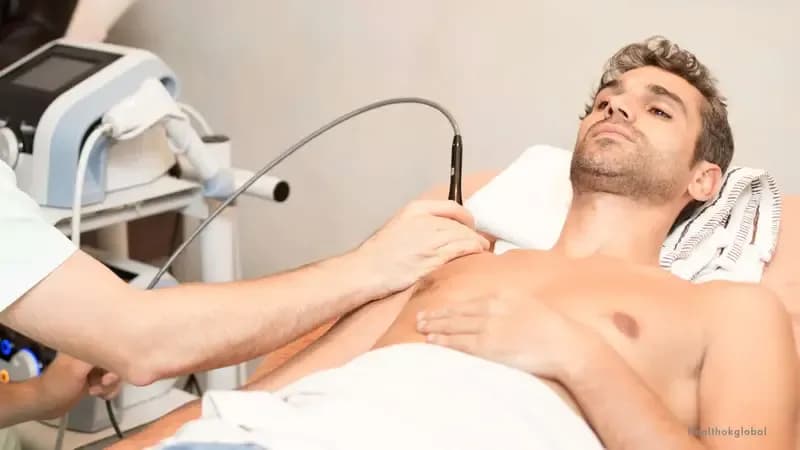
Physiotherapy machines are essential tools in rehabilitation, helping patients recover from injuries and improve their physical function.
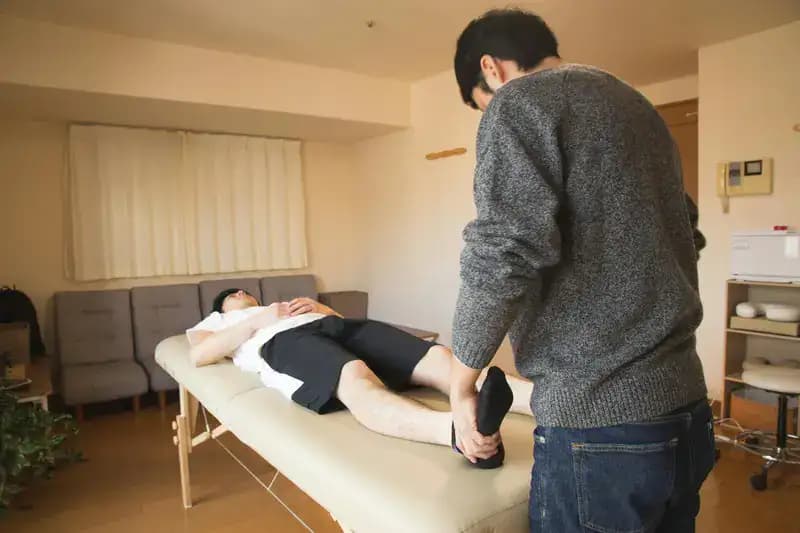
Physiotherapy home services offer a unique and beneficial approach to rehabilitation and physical therapy.
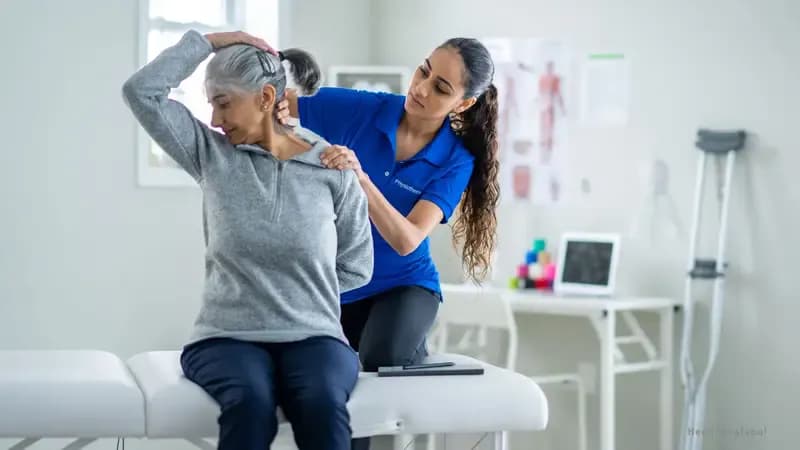
Neuro physiotherapy uses targeted techniques. CIMT and task-specific training for stroke, spasticity management for MS, gait retraining for Parkinson's, to rebuild movement after neurological injury. Here is what a course of treatment looks like in India.
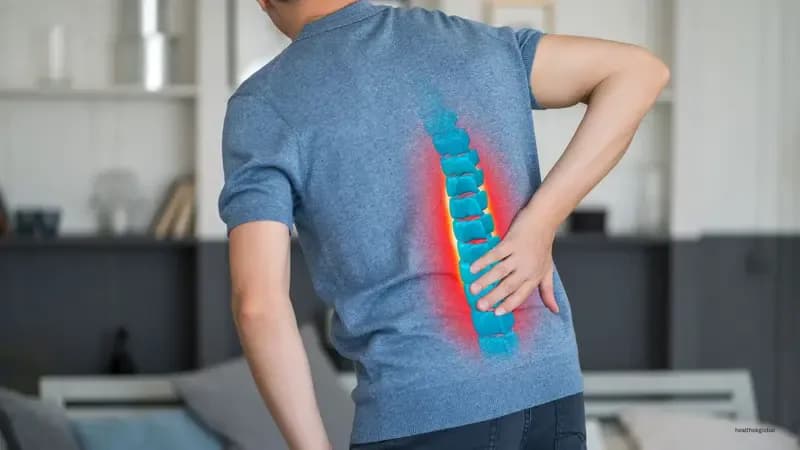
Lumbar spondylosis, a degenerative condition affecting the lower spine, can cause pain and reduced mobility. Learn effective exercises to manage symptoms and improve spinal health.
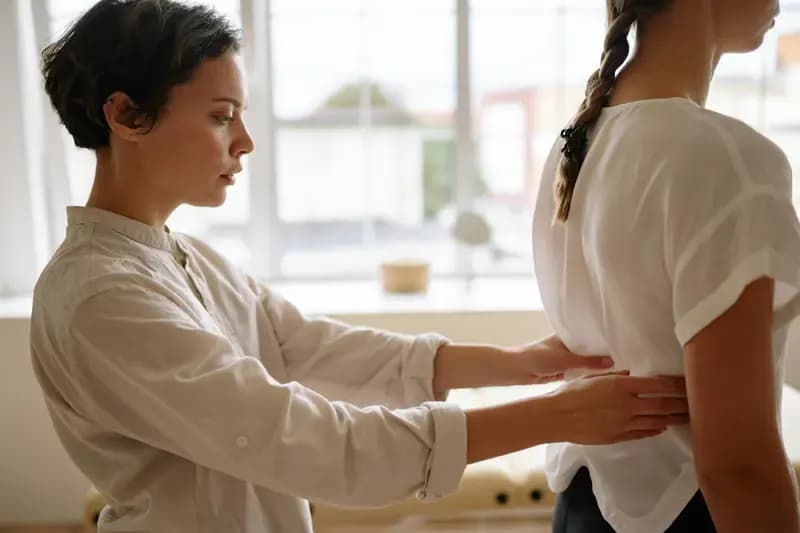
Back pain can significantly impact your daily life, affecting your ability to work, exercise, and even sleep comfortably.

Back pain is a common issue that can arise from various causes such as muscle strain, injury, or chronic conditions.

Back pain can be debilitating, affecting your daily life and productivity. Whether it's due to poor posture, muscle strain, or injury, finding relief quickly is crucial.

Neuro physiotherapy, also known as neurological physiotherapy, is a specialized field of physical therapy focused on the treatment and rehabilitation of individuals with neurological conditions.
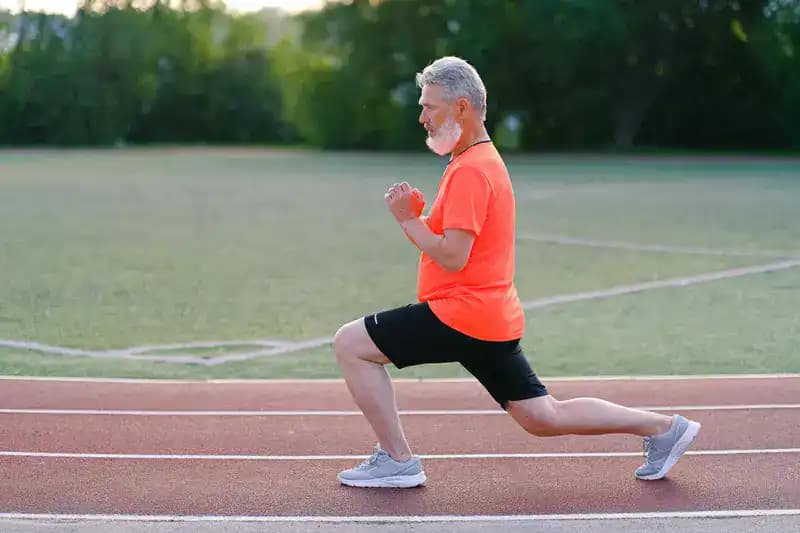
As we age, maintaining joint health becomes crucial to preserving mobility and independence.
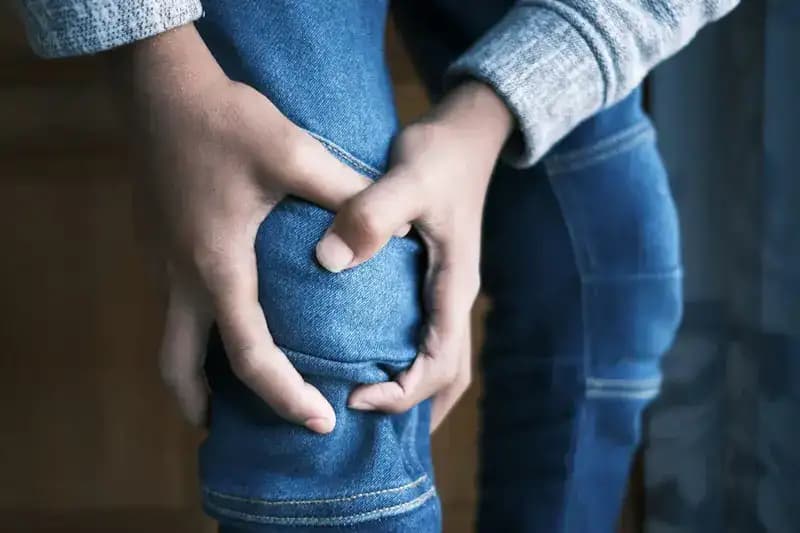
Nerve pain after knee replacement surgery can be distressing, hindering your recovery process and diminishing your quality of life.
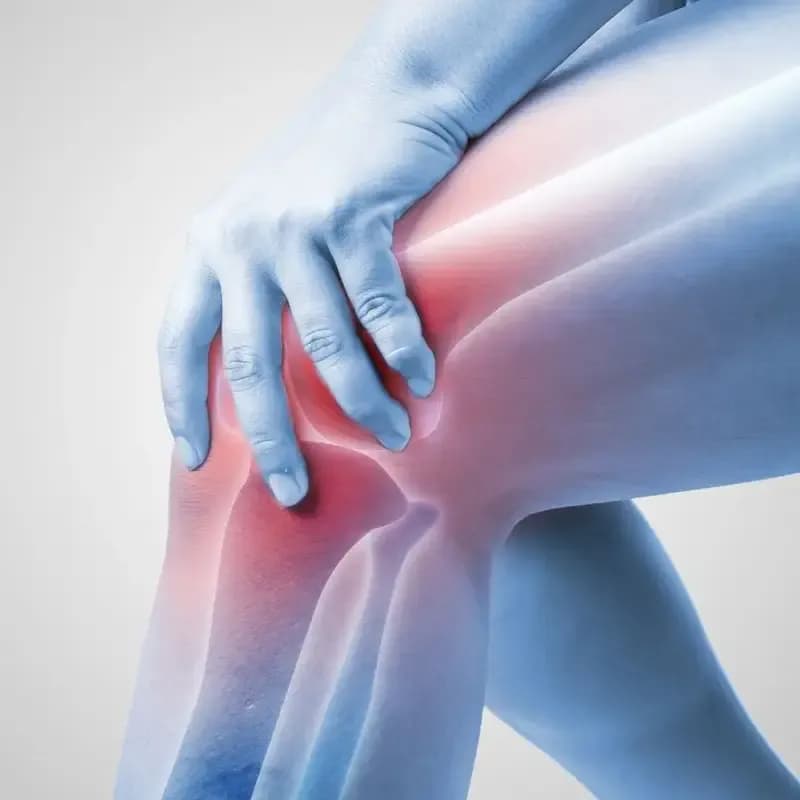
Home remedies for knee pain work well for mild-to-moderate osteoarthritis and overuse pain, hot/cold therapy, Epsom salt soaks, gentle exercise, turmeric and ginger, weight management. Here is what has real evidence and when home care is not enough.
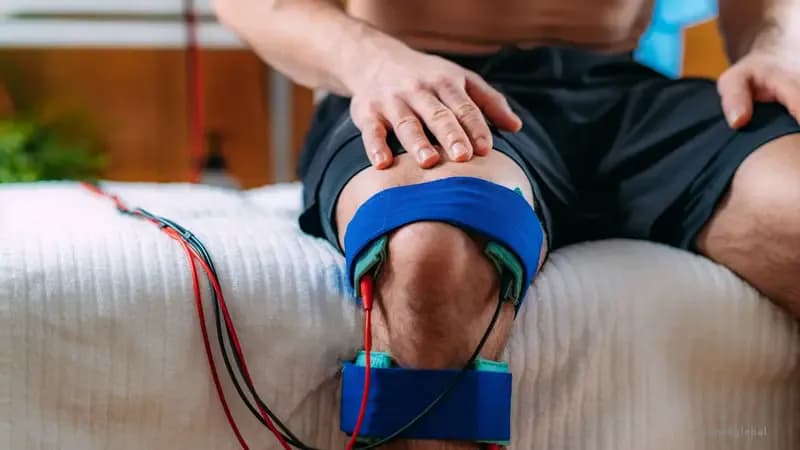
Interferential Therapy (IFT) is a form of electrical stimulation used in physiotherapy to treat pain and promote healing in soft tissues.
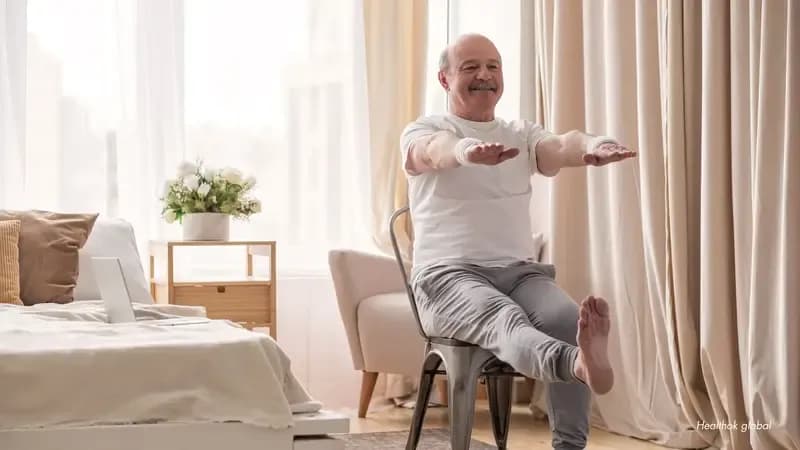
Discover low-impact exercises for seniors to improve fitness, balance, and overall health. Explore sitting exercises, cardio, and home workouts tailored for the elderly.

Dr Vishal Patil on Instagram: "Don’t let pain control your life. Get the right orthopedic care and return to free movement, comfort and confidence.📍 DR Vishal Patil's, Shree Orthopedic and Womencare Clinic, flat 205, Gaikwad villa ( 2 nd floor lift available, parallel parking on both adjoining main roads ), opposite Punjab National Bank, above Ishwar Medical, Seasons Road, Sanewadi Aundh Pune. 📞 +919405431728#OrthopedicCare #Orthopedics #OrthoDoctor #BoneHealth #JointHealth #Mobility #PainRelief #PainFreeLife #HealthyLifestyle #StayActive #FitnessTips #HealthAwareness #PreventiveCare #Wellness #Physiotherapy #Rehabilitation #KneePain #BackPain #NeckPain #PuneDoctor"

Knee replacement surgery, while often necessary for improved mobility and quality of life, can come with its own set of challenges during recovery.
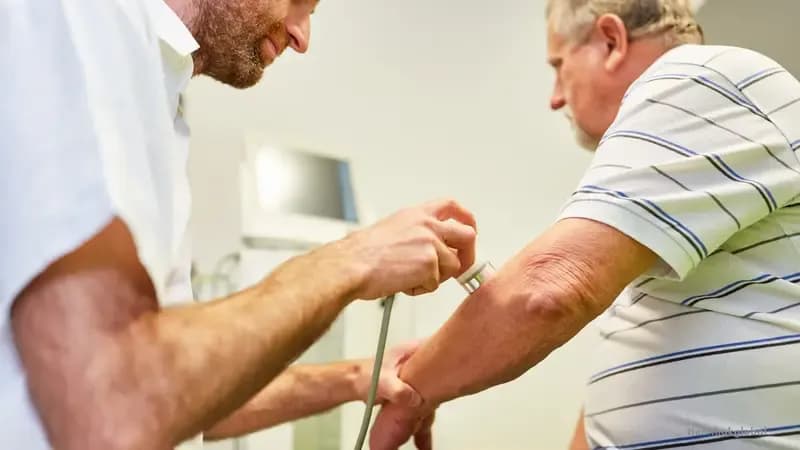
Ultrasound physiotherapy is a therapeutic modality widely used in the treatment and management of various musculoskeletal conditions.
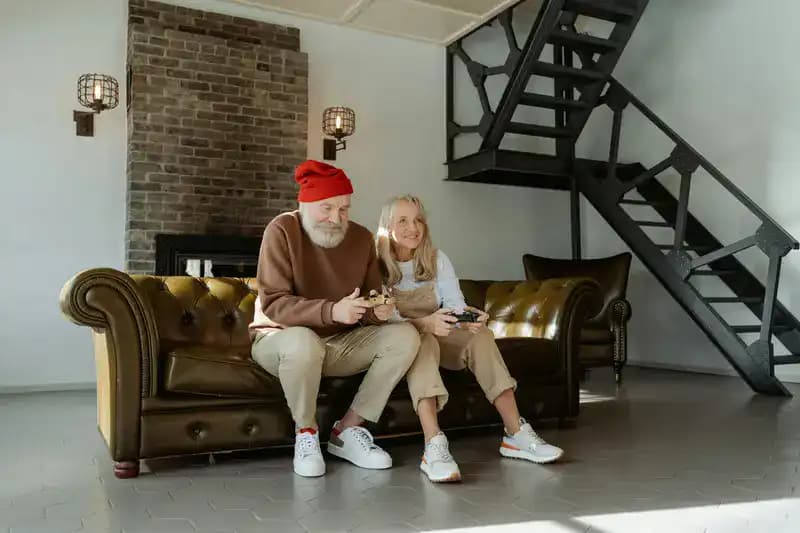
A home safety evaluation for elderly parents identifies fall hazards, mobility barriers, medication risks, and emergency-preparedness gaps room by room. This checklist walks through what to look for and which modifications matter most for Indian homes.

Falls cause the majority of hip fractures and hospitalisations in elderly Indians, and most of them happen at home. Simple modifications to bathrooms, bedrooms, kitchens, and living rooms dramatically reduce risk. This is a room-by-room practical guide for families.

As we age, maintaining flexibility becomes increasingly important to preserve mobility, prevent injuries, and enhance overall quality of life.
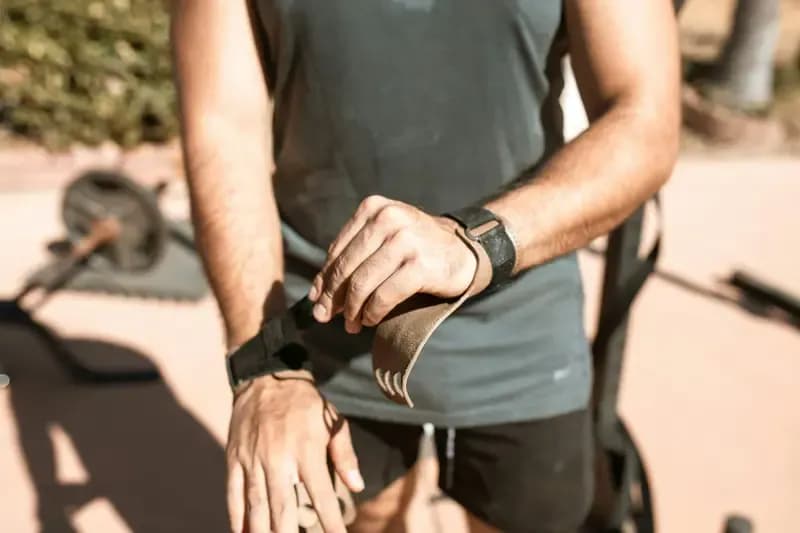
Maintaining wrist health is crucial for senior citizens, affecting everything from daily activities to overall mobility.

As we age, maintaining balance becomes crucial for preventing falls and sustaining mobility.
Understanding Knee & Hip Replacement Surgery: Causes, Treatment & Modern SolutionsOrthopedic Surgeon Dr Ashish Arbat explains everything you need to know abo...
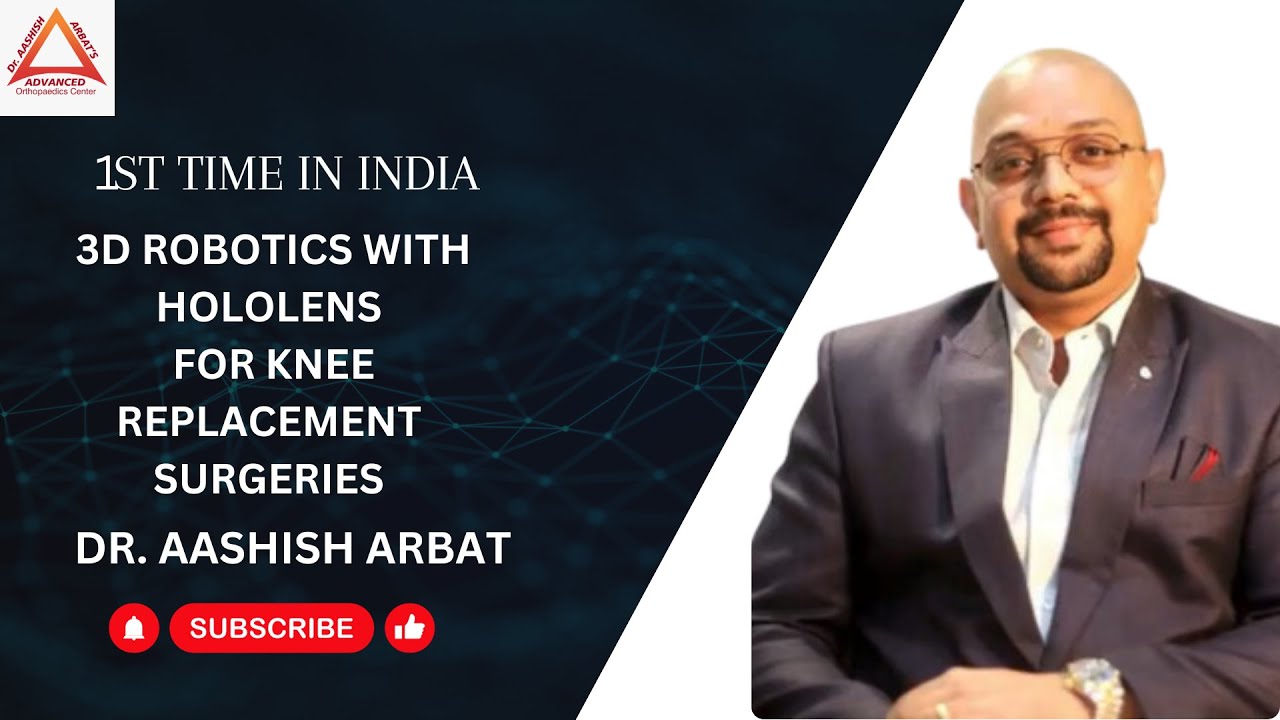
Transforming Surgery in India! Experience a groundbreaking fusion of 3D Robotic precision and Hololens innovation in Knee Replacement procedures. Dr. Aashis...
Expert answers from our medical team
A qualified physiotherapist holds a BPT (Bachelor of Physiotherapy — 4.5 years) or MPT (Master of Physiotherapy — additional 2 years). Look for someone registered with the state physiotherapy council. Beware centers where you spend most sessions attached to machines (IFT, ultrasound, TENS) with minimal hands-on exercise progression — that's not evidence-based physio. Real physiotherapy is progressive, exercise-based, and involves the physio actually assessing and adjusting your program over 12-16 sessions, not just passive machine time.
Electrotherapy modalities (IFT, ultrasound, TENS, laser) provide short-term pain relief for some patients — helpful as an adjunct, but they don't rebuild strength, restore range of motion, or fix the underlying problem. That work happens through structured exercise progression under supervision. Centers that rely mostly on machines and skip the exercise component charge for the wrong thing. The gold-standard rehab session is 20-30 minutes of exercise work, sometimes with 10-15 minutes of manual therapy or targeted modalities.
Depends on the condition. Acute low back pain: often resolves in 4-6 sessions. Chronic musculoskeletal pain: typically 12-16 sessions over 6-10 weeks. Post-surgical rehab (knee replacement, ACL reconstruction): 3-6 months of structured progression. Stroke rehab: often 6-12 months. A physiotherapist promising results in 2-3 sessions for chronic pain is over-promising; one who won't ever discharge you is under-progressing. Good physio has clear milestones and a home program you continue after discharge.
For any joint replacement, ACL reconstruction, spine surgery, fracture surgery, or stroke — physiotherapy is not optional. It's what determines whether you regain full function or plateau early with lasting limitation. Post-surgical patients who skip or shortchange rehab are the ones with poor long-term outcomes. Many hospitals include the first 6-10 sessions in the surgical package; continue with a good outpatient physio afterward for at least 3 months total, longer for major reconstructions.
In Indian metros, ₹500-1,500 per session at private centers; ₹200-500 at charitable hospitals or physio training institutes; home visits ₹800-2,000 depending on distance. Cost varies more with location than with quality — some ₹500-session physios are better than ₹1,500-session ones. Prioritize practitioners with real BPT/MPT credentials and exercise-based programs over glossy centers full of machines. Insurance often covers a limited number of sessions after surgery — check your policy.
Questions from our community members
Ask our medical community. Your question may help others with similar concerns.
Verified specialists across India