

Introduction
As we age, maintaining balance becomes crucial for preventing falls and sustaining mobility. Balance issues in the elderly can lead to significant injuries, affecting overall well-being and independence. Recognizing the importance of balance is the first step towards enhancing stability and ensuring a safer, more active lifestyle for seniors.
Key Benefits of Balance Exercises for Seniors
Balance exercises offer numerous benefits, including reduced risk of falls, improved coordination, and greater confidence in daily activities. Strengthening the muscles used for stability directly contributes to better posture, joint health, and even cognitive function, as staying physically active also keeps the mind sharp.
Recommended Balancing Exercises for the Elderly
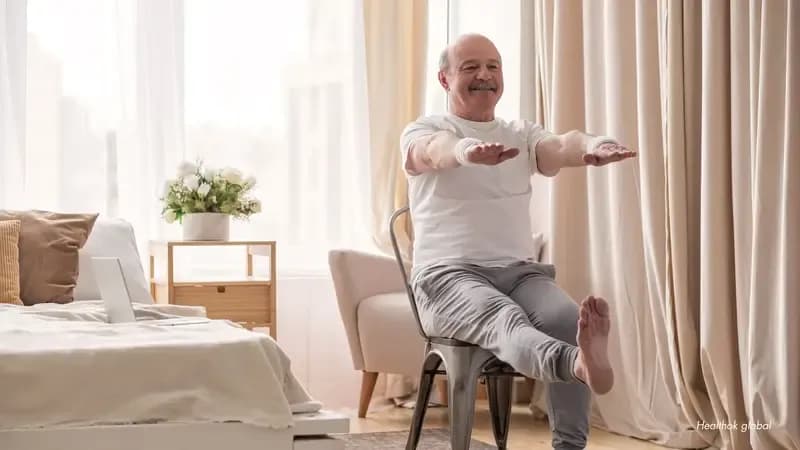
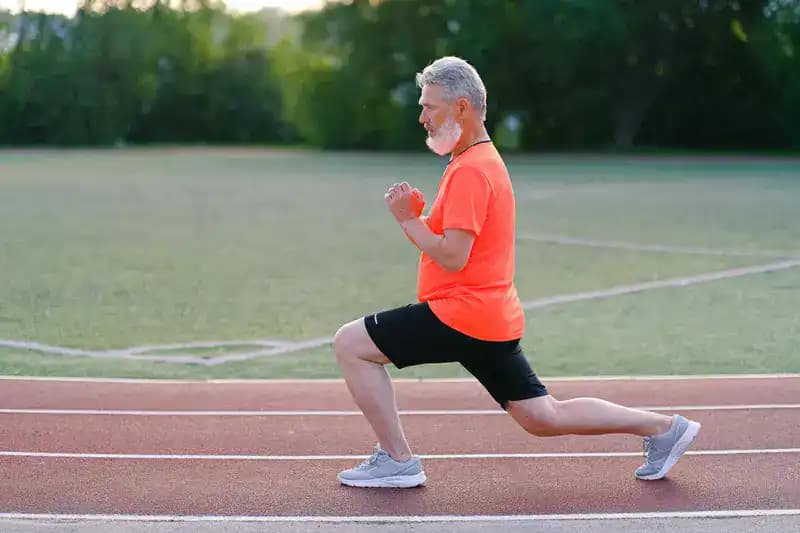
Several simple, effective exercises can significantly improve balance for seniors. Standing on one leg, heel-to-toe walks, and chair stands not only enhance stability but are easily incorporated into daily routines. These activities require minimal equipment and can be adjusted to fit individual fitness levels, making them accessible to a wide range of elderly individuals.
Addressing Leg Swelling Through Balance Activities
Leg swelling, a common issue among seniors, can be managed with appropriate physical activities. Exercises that promote circulation and strengthen the lower body help mitigate swelling, especially in individuals with underlying conditions like diabetes. Incorporating balance and strength exercises into regular routines can, therefore, have the dual benefit of improving stability while also addressing leg swelling concerns.
Tailoring Balance Exercises to Individual Needs
It's essential to customize balance exercises to individual capabilities and health conditions. Starting with basic exercises and gradually increasing difficulty ensures a safe progression. For those with severe balance issues or chronic conditions, consulting with a healthcare provider or a physical therapist is recommended to develop a tailored exercise plan that prioritizes safety and effectiveness.
Incorporating Balance Exercises into Daily Routines
Making balance training a part of everyday life can be as simple as practicing standing on one leg while doing dishes or walking heel-to-toe when moving around the house. Such integration ensures consistent practice, which is key to seeing improvements in balance and stability.
Professional Guidance and Resources
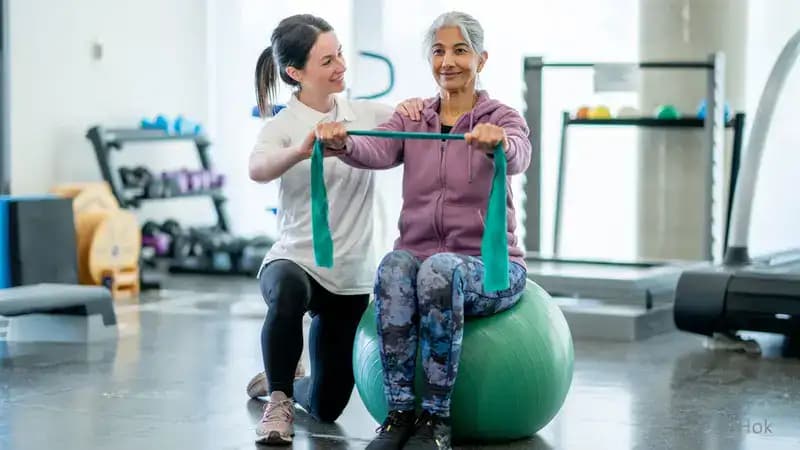
Seeking professional advice is crucial for performing balance exercises correctly and safely, especially for those with significant balance deficits or medical conditions. Healthcare providers can offer guidance and recommend resources, such as community exercise programs or physical therapy services, tailored to the unique needs of elderly individuals.
Conclusion
Balance exercises are a vital component of elderly care, offering a pathway to improved stability, reduced fall risk, and enhanced quality of life. By embracing these exercises and incorporating them into daily routines, seniors can enjoy greater independence and confidence in their physical abilities. Encourage the elderly in your community to explore the world of balance exercises and discover the significant benefits they offer.




Comments (0)