
Introduction
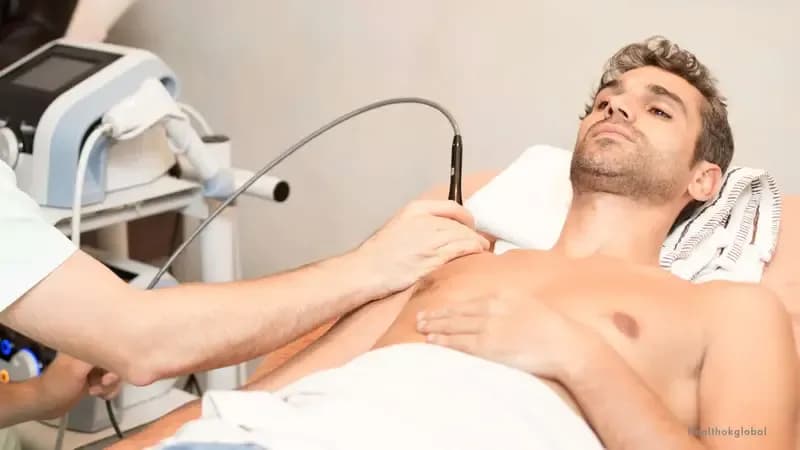
Physiotherapy machines are essential tools in rehabilitation, helping patients recover from injuries and improve their physical function. These machines are used by physiotherapists to provide targeted treatments that promote healing, reduce pain, and enhance mobility. This article explores the different types of physiotherapy machines, their benefits, and how they support patient recovery.
What are Physiotherapy Machines?
Physiotherapy machines are devices designed to aid in the physical rehabilitation of patients. They are used to perform various therapeutic exercises and treatments aimed at improving mobility, strength, and overall physical function. These machines can be found in physiotherapy clinics, hospitals, and even at home for personal use.
Types of Physiotherapy Machines
There are several types of physiotherapy machines, each serving a specific purpose in the rehabilitation process. Some of the most common types include:
These machines use high-frequency sound waves to promote tissue healing and reduce pain. They are commonly used to treat soft tissue injuries, such as sprains, strains, and tendonitis.
Ultrasound Therapy Machines
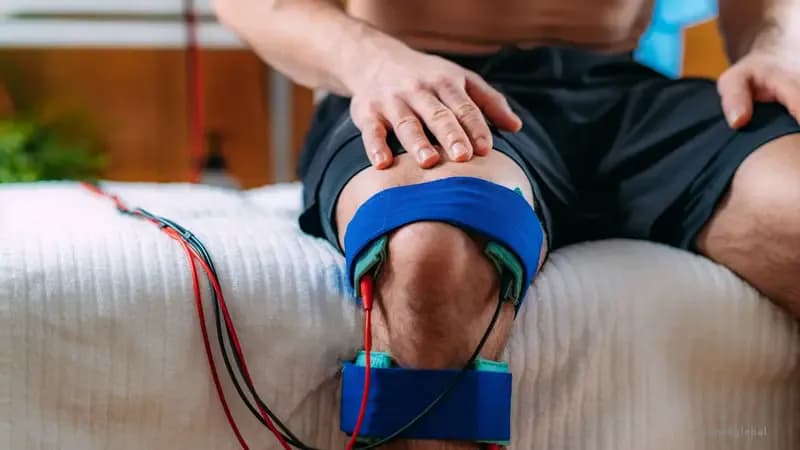
Electrical stimulation (e-stim) machines use electrical currents to stimulate muscles and nerves. This can help reduce pain, improve muscle strength, and promote healing. TENS (Transcutaneous Electrical Nerve Stimulation) and EMS (Electrical Muscle Stimulation) are two common types of e-stim used in physiotherapy.
Electrical Stimulation Machines
Laser therapy machines use light energy to penetrate deep into tissues, promoting healing and reducing inflammation. They are often used to treat conditions like arthritis, tendonitis, and muscle injuries.
Laser Therapy Machines
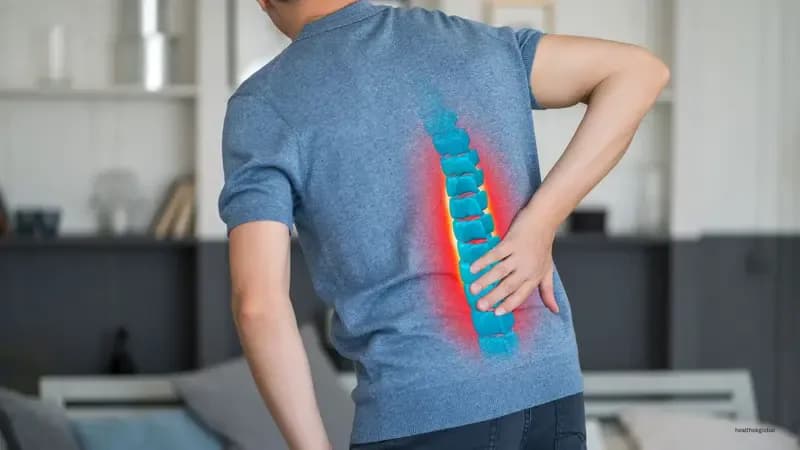
Traction devices are used to relieve pressure on the spine by gently stretching it. This can help alleviate pain caused by conditions like herniated discs, sciatica, and degenerative disc disease.
Traction Devices
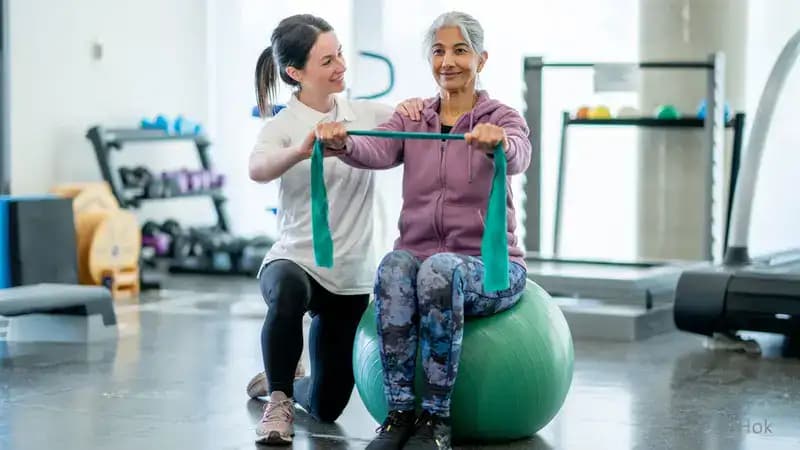
Various types of exercise equipment, such as resistance bands, stability balls, and exercise bikes, are used in physiotherapy to improve strength, flexibility, and cardiovascular health.
Exercise Equipment
Hydrotherapy involves using water to perform therapeutic exercises. Equipment such as hydrotherapy pools and underwater treadmills can help improve mobility and reduce pain in patients with conditions like arthritis and joint injuries.
Hydrotherapy Equipment
Benefits of Physiotherapy Machines
The use of physiotherapy machines offers several benefits for patients undergoing rehabilitation. These benefits include:
Many physiotherapy machines, such as ultrasound and electrical stimulation devices, help reduce pain by targeting the affected areas and promoting healing.
Pain Relief
Machines like traction devices and hydrotherapy equipment can help improve mobility by reducing pain and stiffness, making it easier for patients to move and perform daily activities.
Improved Mobility
Exercise equipment used in physiotherapy helps patients build strength and flexibility, which are essential for recovery and preventing future injuries.
Enhanced Strength and Flexibility
Physiotherapy machines can accelerate the healing process by promoting blood flow, reducing inflammation, and stimulating tissue regeneration.
Accelerated Healing
Physiotherapists can use a combination of different machines to create personalized treatment plans tailored to the specific needs of each patient.
Personalized Treatment
How to Use Physiotherapy Machines Safely
While physiotherapy machines offer numerous benefits, it is essential to use them correctly to avoid potential risks. Here are some safety tips:
Always use physiotherapy machines under the guidance of a trained physiotherapist. They can provide instructions on the correct usage and ensure that the treatment is appropriate for your condition.
Follow Professional Guidance
If you are new to using physiotherapy machines, start with low settings and gradually increase the intensity as your body adapts to the treatment.
Start Slowly
Pay attention to how your body responds to the treatment. If you experience any unusual pain or discomfort, stop using the machine and consult your physiotherapist.
Monitor Your Body's Response
Ensure that the physiotherapy machines are regularly maintained and serviced to keep them in good working condition and prevent any malfunctions.
Regular Maintenance
Conclusion
Physiotherapy machines are valuable tools in the rehabilitation process, offering numerous benefits for patients recovering from injuries and medical conditions. By understanding the different types of machines and their uses, patients can make informed decisions about their treatment and work effectively with their physiotherapists to achieve the best possible outcomes. Always follow professional guidance and safety tips to maximize the benefits and minimize the risks associated with using physiotherapy machines.




Comments (0)